

⏱ 1 min read
The Short Version
Rosé is trapped by a "color curse," where consumers mistake deep hues for unwanted sweetness, leaving pink wines stuck at a lowly $7.42 average price. Breaking this visual bias means embracing complex, savory styles that prove pink can be just as sophisticated as red or white.
In This Article
Pink wine faces a steep climb in a market dominated by reds and whites. While rosé enjoys seasonal surges, it consistently lags behind its counterparts in both volume and price point. In fact, pink wines command an average price of just $7.42 per bottle, significantly trailing red ($10.66) and white ($8.58) wines. Beyond these numbers, the category fights a persistent psychological hurdle known as the “color curse,” where consumers use visual hue to incorrectly predict flavor profile or quality.
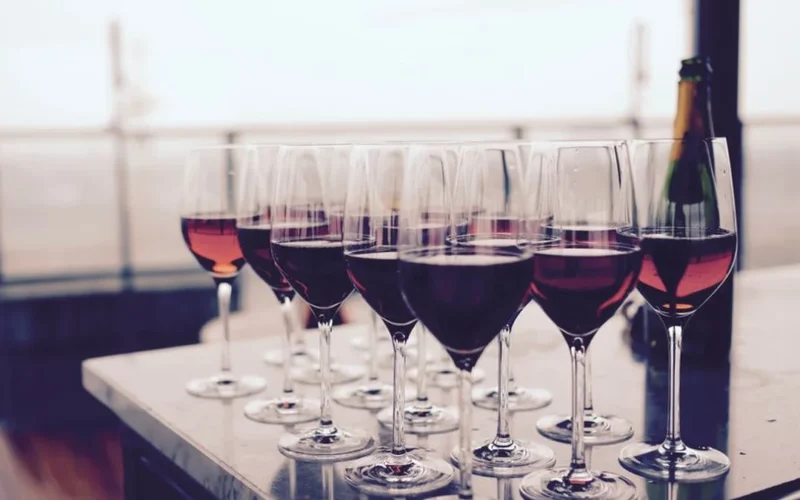
Rosé color is not a reliable indicator of quality or other sensory factors.
Breaking the Visual Bias
The current market preference leans heavily toward pale, Provence-style wines that often mimic white wine in appearance. This trend may stem from the inexpensive White Zinfandel era, causing drinkers to avoid deeper hues for fear of unwanted sweetness. Rosé color is not a reliable indicator of quality or other sensory factors. This misconception sidelines complex, full-bodied styles like Tavel, which offer depth and structure but struggle to find shelf space due to their darker tint.
Diversity in the Glass
High-end producers are proving that rosé can transcend these stereotypes through extreme differentiation. Barton & Guestier demonstrates this spectrum, moving from the garden-party aesthetic of a deeper-hued Rosé d’Anjou to the classic, festive paleness of their Côtes de Provence “Tourmaline.” Meanwhile, Domaines Ott pushes the category into more sophisticated territory by prioritizing minerality and salinity over simple fruit profiles. Their Château de Selle and Château Romassan offerings are so unstereotypically savory they could easily deceive even seasoned palates in a blind tasting.
Whether you seek a bright, seasonal sipper or a structured companion for a Niçoise salad, the potential for complexity is immense. The challenge lies in convincing the casual drinker that pink does not always mean simple.
Is the industry’s obsession with pale hues an enduring shift in consumer palate?
Questions & Answers
Why does rosé wine struggle to compete with red and white wines?
Rosé faces significant challenges because it consistently lags behind red and white wines in both sales volume and average price. While red wines average $10.66 per bottle and whites average $8.58, pink wines command a much lower average price of just $7.42. This economic gap is compounded by a psychological color curse where consumers incorrectly use the visual hue of the wine to predict its quality or flavor profile, often leading them to avoid certain styles.
How does the color of rosé wine affect consumer perception?
The color of rosé wine creates a visual bias that leads drinkers to make incorrect assumptions about sweetness and complexity. Many consumers prefer pale, Provence-style wines because they mimic white wine, often avoiding deeper hues due to a lingering fear of unwanted sweetness inherited from the White Zinfandel era. This misconception sidelines more complex, full-bodied styles like Tavel, which offer significant depth and structure but struggle to find shelf space because their darker tint misleads casual drinkers.
What are some examples of diverse rosé wine styles available on the market?
The rosé market features a wide spectrum of styles ranging from light, festive options to deeply structured, savory selections. Barton & Guestier illustrates this diversity by offering everything from the pale, classic aesthetic of their Côtes de Provence Tourmaline to the deeper-hued Rosé d’Anjou. Additionally, producers like Domaines Ott push boundaries with sophisticated offerings such as Château de Selle, which prioritizes minerality and salinity over simple fruit profiles to create a more complex sensory experience.
In what ways can high-end rosé wines differ from typical stereotypes?
High-end rosé wines transcend common stereotypes by prioritizing complexity, minerality, and savory notes rather than just simple fruit flavors. While casual drinkers often associate pink wine with sweetness, premium producers create sophisticated profiles that can deceive even seasoned palates in blind tastings. For example, certain structured rosés are designed to serve as complex companions for food, such as a Niçoise salad, proving that the category offers much more depth than the simple, seasonal sipper stereotype suggests.
Originally reported by The Wine Economist.


[…] balance, with August Kesseler producing aromatics defined by white pepper and delicate cherries. It is a masterclass in how different soils can manipulate the same grape variety into vastly different […]