coffee

How a First-Crack Detector and AI Loop Are Redefining Roast Consistency

How a First-Crack Detector and AI Loop Are Redefining Roast Consistency

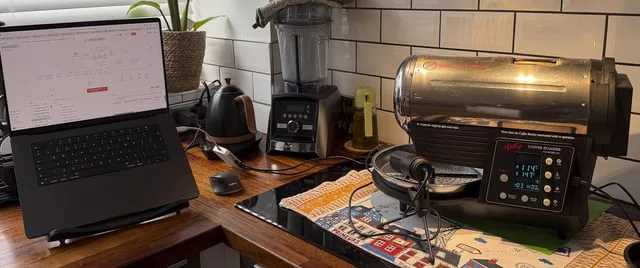
Real talk: coffee roasting has always been an art—and now, it’s becoming a science. For months, I’ve been testing a prototype first-crack detector paired with an LLM loop on my Hottop KN-8828B-2K+ to dial in roast consistency. The setup? A single USB mic pointed at the drum, a small model that flags 10-second windows with first-crack activity. It’s not a replacement for the ear, but it’s reshaping how I approach post-crack adjustments. The surprise? Consistency. I’ve been charging beans at 170–18, which is way hotter than the Hottop’s recommended 110°C range. Probe readings have likely drifted over time, so I…
Read More
The Microwave Roast: A Coffee Enthusiast’s Bold Experiment

The Microwave Roast: A Coffee Enthusiast’s Bold Experiment

Imagine roasting coffee in a microwave. Sounds absurd, right? Yet, one amateur brewer did exactly that—and claims the results rival even local roasters. The experiment hinges on a simple truth: heat sources define flavor. Traditional roasters blast beans with external heat, caramelizing sugars and unlocking complex notes. Microwaves, by contrast, cook from within, a method that’s easier to execute but harder to master. The brewer’s claim? Their microwave-roasted beans had a cleaner, brighter profile than what local roasters could muster. But why? And why aren’t microwaves the standard? The science is key. External roasting, whether via drum or fluid bed…
Read More
Grind Fresh, Seal Smart: The Coffee Roaster’s Bagging Dilemma

Grind Fresh, Seal Smart: The Coffee Roaster’s Bagging Dilemma

Coffee lovers, wine enthusiasts, tea devotees—here’s a question that’s been burning in the roastery community: Is it safe to grind beans immediately after roast and seal them in a valve-equipped bag? You’re not alone. The practice is common, but the science behind it deserves closer scrutiny. Grinding right after roast is a double-edged sword. On one hand, it locks in the peak freshness of the beans, preserving volatile compounds that vanish within hours. On the other, grinding too soon risks oxidation—a silent thief that steals flavor and aroma. The key lies in timing. If you’re bagging pre-ground beans, aim to…
Read More
First Roast Lessons: Navigating the Early Stages of Coffee Roasting

First Roast Lessons: Navigating the Early Stages of Coffee Roasting

Here’s what you need to know: Your first roast is a masterclass in precision, patience, and the art of learning from the grind. Whether you’re a novice or transitioning from homebrew to professional, the details matter. A single misstep in temperature, timing, or environment can shift a promising batch into a lesson in humility. Let’s dissect the key elements of your roast and how to refine them. The temperature profile is your first battleground. A high TP (toward peak) temp suggests you’re pushing the bean toward overdevelopment, which can strip brightness and leave a flat, burnt finish. Meanwhile, a low…
Read More
Why Your Delonghi EC685 Is Producing Sour Espresso (And How to Fix It)

Why Your Delonghi EC685 Is Producing Sour Espresso (And How to Fix It)

This might just change your routine: Your Delonghi EC685 is producing sour espresso, and you’re not alone. The frustration of chasing flavor only to taste acidity is a common pitfall, but it’s fixable—if you’re willing to reevaluate your approach. The issue isn’t your beans or your grind, as you’ve already ruled out the basics. The problem lies in the delicate balance between extraction, water temp, and machine quirks. Let’s cut through the noise. First, your water temp is set to maximum, but the Delonghi EC685’s boiler often overshoots the ideal 195–205°F range. Overheating accelerates extraction, amplifying acidity. Try manually adjusting…
Read More
The $1000 Grinder Dilemma: Eureka vs Mahlkönig vs Fiorenzato

The $1000 Grinder Dilemma: Eureka vs Mahlkönig vs Fiorenzato

Listen up: If your espresso is inconsistent and your filter coffee is just okay, you’re not alone. The Profitech Ride’s potential is wasted on a grinder that can’t keep up. You need precision, consistency, and a machine that grows with your coffee habit. Enter the $1000 grinder showdown: Eureka Mignon Libra, Mahlkönig E64 WS, and Fiorenzato Allground Sense. Each has its claims, but only one will align with your priorities. The Mahlkönig E64 WS is a tech enthusiast’s dream. Its auto-detect portafilter and auto-adjust grind size mean less guesswork, especially for espresso. It’s engineered for precision, with a stepless adjustment…
Read More
The Best Coffee Grinders for Beginners (Without Breaking the Bank)

The Best Coffee Grinders for Beginners (Without Breaking the Bank)

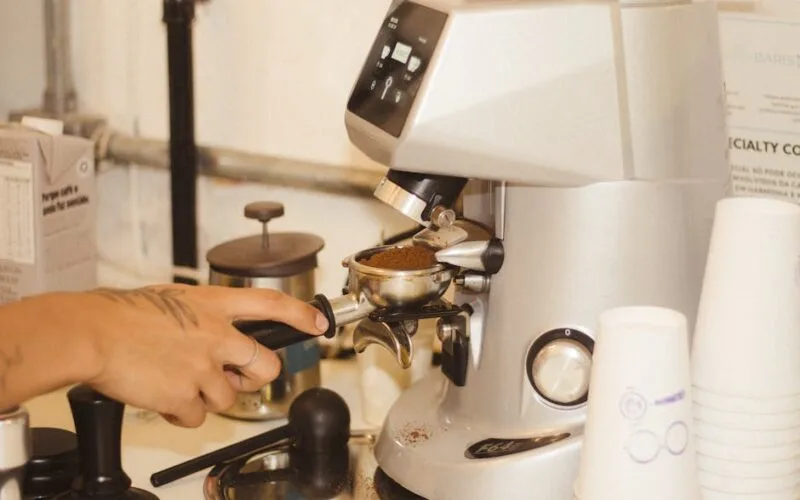
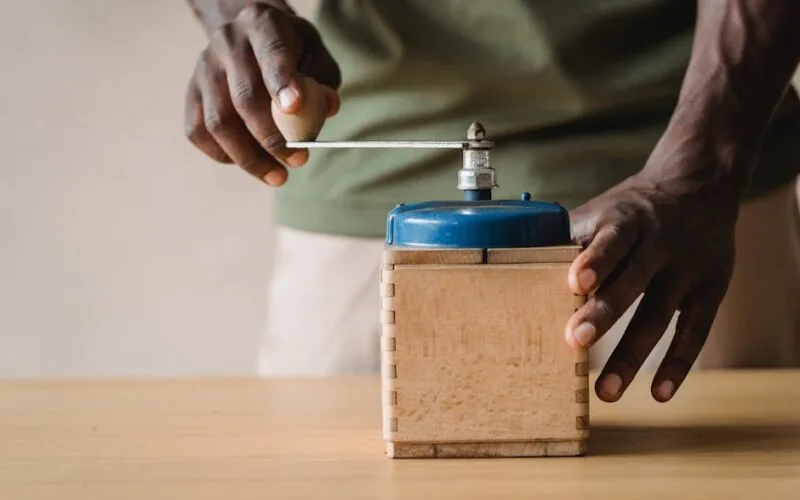
Here’s what you need to know: If you’re chasing that perfect cup of coffee, your grinder is the unsung hero behind the magic. A poor grind means wasted beans, uneven extraction, and a cup that feels like a compromise. You’re not alone in wanting to upgrade from a cheap, inconsistent machine—many baristas and homebrewers agree that the right grinder can transform your routine. But with so many options, how do you pick one that balances quality, cost, and your evolving skills? The Breville Smart Grinder is a popular choice for its precision and versatility, but it’s not the only path.…
Read More
The Coffee Gear That Lets You Brew Better Than Most Shops (Without Breaking the Bank)

The Coffee Gear That Lets You Brew Better Than Most Shops (Without Breaking the Bank)

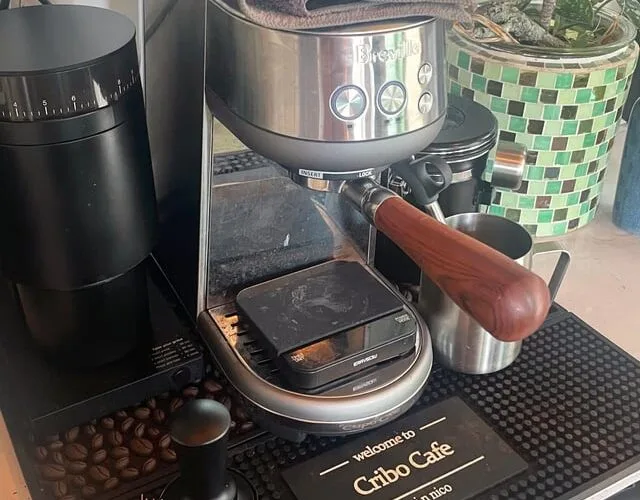
Time to spill: If you’re chasing café-quality lattes on a budget, this is your cheat code. For less than $500, you can build a setup that outperforms most local shops—without the overhead of a café. The Bambino is your anchor, a $300 machine that’s reliable for espresso but needs a little love for puck prep. It’s not flawless, but it’s a gateway to consistency. Pair it with the Opus, a $100 open-box find that’s a workhorse for 3-gram retention. It’s a step down from the Synesso Hydra, but I’m not here to argue—just here to say it’s worth the few…
Read More
Latte Art Evolution: From Nervous Beginnings to Masterful Milk Textures

Latte Art Evolution: From Nervous Beginnings to Masterful Milk Textures

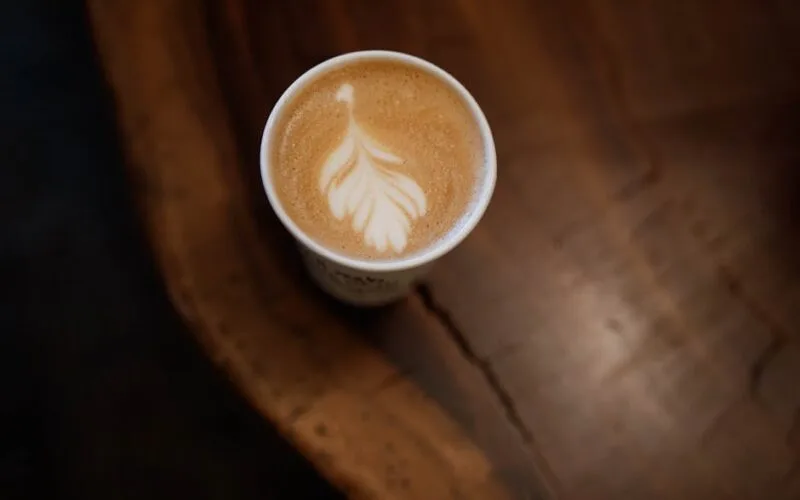
Let’s talk about the quiet rebellion of latte art—how it transforms a simple cup of coffee into a canvas of patience and precision. For years, I avoided steaming milk entirely, paralyzed by the fear of botching what felt like a delicate dance. But once I surrendered to the process, something shifted. My cortados and flat whites stopped being just drinks and started becoming acts of quiet confidence. The journey began with a single machine, a steam wand that felt like a misunderstood friend, and a stubborn refusal to let perfection dictate my progress. Early attempts were messy—milk that separated into…
Read More
The Smart Way to Elevate Your Coffee Game

The Smart Way to Elevate Your Coffee Game

Pour yourself a cup for this one: Coffee is a craft, not a chore—and you don’t need a PhD to unlock its potential. If you’re tired of settling for the same乏味 brew, the path to better coffee starts with intention, not extravagance. The trick isn’t about buying fancy gear or following every trend; it’s about refining your basics. Think of it as upgrading your kitchen staples, not reinventing the wheel. The first step? Master the roast. Dark roasts are bold, but they mask flaws. Medium roasts, on the other hand, highlight origin notes—like the citrusy brightness of Ethiopian beans or…
Read More