acidity

Pinot Blanc: The Winter White That Outshines Chardonnay

Pinot Blanc: The Winter White That Outshines Chardonnay

This is worth savoring: Winter isn’t just about warmth—it’s about balance. And for white wine, that means moving past the predictable Chardonnay and embracing something sharper, more nuanced. Enter Pinot Blanc, a grape often dismissed as bland but quietly revolutionary when done right. It’s not just a winter white; it’s a revelation. Pinot Blanc’s reputation as a “background grape” is a myth. Sommeliers like Ryan Kraemer of Orlain argue it’s misunderstood, mistyped as Pinot Grigio, and underappreciated for its depth. “It’s not just a sipper,” Kraemer says. “It’s a partner.” The key? Serving it at room temperature. “We drink whites…
Read More
A Fortified Syrah That Defies Expectations

A Fortified Syrah That Defies Expectations

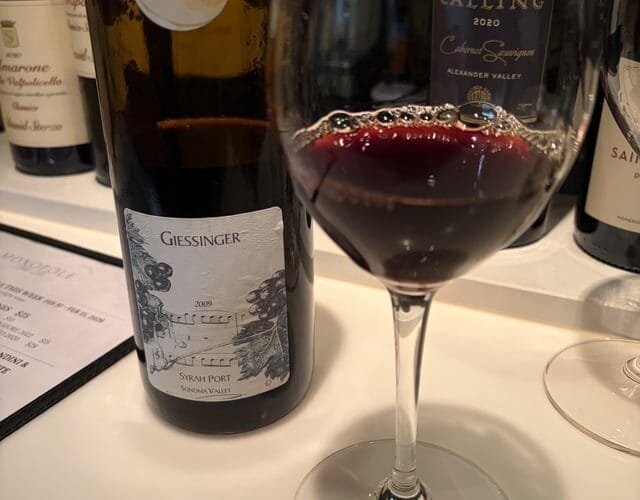
Here’s what you need to know: The 2009 Giessinger Syrah Port from Sonoma Valley isn’t your typical fortified wine. It’s a rare blend of boldness and restraint, crafted by a small producer who’s mastered the art of balancing sweetness with structure. At 14 years old, this bottle reveals layers that defy its fortified pedigree—think savory spice, dried fruit, and a whisper of tobacco. The nose is a curious mix of black pepper and something almost herbal, while the palate holds its own with bright acidity that cuts through the wine’s richness. It’s not just about the flavors; it’s about how…
Read More
The Lagom P80: A Coffee Enthusiast’s Obsession

The Lagom P80: A Coffee Enthusiast’s Obsession

There’s something brewing in the world of home espresso, and it’s not just about the beans. The Lagom P80 arrived 1.5 months early, and now I’m staring at it like it’s the final act of a long-awaited play. This isn’t just another machine—it’s a revelation. Four shots in, and I’m still trying to process how a home setup can feel this close to café quality. The P80 doesn’t just make coffee; it makes moments. The milk drinks are the first thing to mention. Flat whites? It punches through with precision, creamy and balanced. Even cappuccino-sized shots hold their own, without…
Read More
Caffeinated Coffee May Lower Dementia Risk, New Study Finds

Caffeinated Coffee May Lower Dementia Risk, New Study Finds

Pour yourself a cup for this one: A massive study of over 130,000 people suggests that regular caffeinated coffee might be more than just a morning ritual—it could be a shield against dementia. Published in JAMA, the research found that those drinking 2-3 cups daily had an 18% lower risk of developing dementia compared to non-drinkers. The benefits weren’t just statistical fluff either—coffee drinkers also showed better performance on cognitive tests and lower rates of “subjective cognitive decline,” a subtle but telling sign of brain health. The study’s strength lies in its scale and longevity. Tracking data from the Nurses’…
Read More
The Matcha Powder Brands That Deliver (And Those That Don’t)

The Matcha Powder Brands That Deliver (And Those That Don’t)

If you’ve ever wondered why matcha feels like a revelation compared to coffee, it’s not just the caffeine—it’s the complexity. This powdered green tea, steeped in centuries of Japanese tradition, has surged in popularity as a smoother, more balanced alternative to espresso. But not all matcha powders are created equal. After tasting six store-bought options, here’s what we learned: quality matters, preparation matters, and some brands are better suited for specific uses than others. The worst matcha we tried was MatchAiA USDA-Certified Organic Matcha. It tasted watery, sharp, and overly bitter, with no umami depth to soften its edges. Even…
Read More
The Dragon Ball That Defied Its Price Tag

The Dragon Ball That Defied Its Price Tag

Let’s talk about the dragon ball that defied its price tag. At $17, this “150-year ancient tree bingdao laozoi” sheng tea felt like a gamble—until I steeped it 10 times, each time uncovering layers of complexity. The result? A tea that defies its age, offering sweetness, tang, and a lingering aftertaste that made me rethink my entire approach to young sheng. This isn’t your average dragon ball. The first few infusions revealed a crisp, almost citrusy brightness, like a sugar lemon squeezed into a cup of morning mist. By the fifth steep, the tea deepened into a nuanced balance of…
Read More
The Green Mark’s Quiet Strength in a Clay Pot

The Green Mark’s Quiet Strength in a Clay Pot

Pour yourself a cup for this one: the 2023 Xiaguan “Green Mark” raw puerh isn’t screaming for attention, but it’s quietly carving out a niche in the clay pot. Brewed with precision—5.5g in an 80mL duanni clay pot, just off boil—it unfolds in layers, each steep revealing a different facet of its character. The first wash brings wood, hay, and a faint diesel whisper, setting the stage for a tea that’s more about texture than bombast. Steep one is a timid affair, the leaves stubbornly resisting release. It’s a tightly compressed cake, and the flavor feels muted, like a shy…
Read More
Aged Sheng: Worth the Wait or a Missed Opportunity?

Aged Sheng: Worth the Wait or a Missed Opportunity?

If you’re a puerh newbie chasing that elusive balance of floral brightness and earthy depth, you’re not alone. The journey from young sheng’s vibrant punch to aged sheng’s supposed complexity can feel like a leap into the unknown. Your recent experiments with 2007 Dayi 7542 and Xiaguan Jia Ji hint at a common struggle: aged sheng isn’t always a direct upgrade. It’s a different beast, shaped by time, storage, and the tea’s own evolution. Aged sheng’s appeal lies in its transformation, not its replication of youth. Young sheng dazzles with sharp floral notes and a bold huigan—traits that fade as…
Read More
Wood Spirit Ripe Puer: A Warm Comfort in Every Sip

Wood Spirit Ripe Puer: A Warm Comfort in Every Sip

Listen up: This isn’t your average pu-erh. Farmerleaf’s 2023 Wood Spirit Ripe puer unfolds like a slow-burn fire, balancing earthy depth with a sweetness that feels like a hug. Brewed in a titanium gaiwan just off boil, it starts with a whisper of wood and forest floor, then layers into something richer. The first steep delivers sandalwood and cocoa, with a hint of shou-y sweetness that lingers. By the second steep, the tea thickens, its cocoa notes deepening while bitterness stays subdued—a rare harmony of flavors. What makes this tea stand out isn’t complexity, but consistency. The third steep brings…
Read More
Where Japan’s Green Tea Thrives: A Map of Tradition and Terroir

Where Japan’s Green Tea Thrives: A Map of Tradition and Terroir

Here’s what you need to know: Japan’s green tea landscape isn’t just about leaves and steam—it’s a story of geography, climate, and centuries-old craftsmanship. While sencha and gyokuro dominate the conversation, their origins are as nuanced as the terroir that shapes them. Shizuoka, Japan’s largest tea-producing region, is synonymous with sencha, its flat terrain and warm climate yielding bold, vegetal notes. But don’t assume every sencha comes from there. Kagoshima’s volcanic soil and tropical warmth birth a sweeter, more delicate version, while Uji’s ancient tea fields—where the first matcha was made—produce a refined, umami-rich profile. Processing techniques, of course, play…
Read More