Achieving

Bubble Tea’s Hidden Dangers: What You Need to Know

Bubble Tea’s Hidden Dangers: What You Need to Know

This is worth savoring: Bubble tea, that sugary, tapioca-studded marvel, has become a global obsession—now as ubiquitous as coffee in British high streets. But beneath its Instagram-worthy swirls and sweetened allure lurks a growing health crisis. New research is casting a harsh light on the drink’s risks, from toxic contamination to digestive chaos and even kidney damage. The question isn’t whether bubble tea is bad for you—it’s how bad. The tapioca pearls, the drink’s star ingredient, are made from cassava starch, a plant notorious for absorbing heavy metals like lead from the soil. Consumer Reports found elevated lead levels in…
Read More
Chile’s High-Altitude Wines: A Stargazing Worthwhile Pursuit?

Chile’s High-Altitude Wines: A Stargazing Worthwhile Pursuit?

Listen up: The Andes aren’t just a backdrop for Chile’s vineyards—they’re a canvas. In the Cajón del Maipo region, 1,000–2,000 meters above sea level, winemakers are crafting small-batch Carmenère and Syrah blends that defy expectations. The question isn’t whether these wines rival Mendoza’s high-altitude legends—it’s whether they’re worth the detour. High-altitude viticulture is a game of extremes. Cooler temperatures slow grape ripening, preserving acidity and brightening flavors. In Cajón del Maipo, this translates to wines that feel fresher, more mineral-driven, and less reliant on oak. Carmenère, often bold and jammy in other regions, here shows a leaner, more savory side—think…
Read More
When Words Like ‘Elegant’ Lose Their Meaning Across Cultures

When Words Like ‘Elegant’ Lose Their Meaning Across Cultures

Time to spill: At a recent wine tasting, a participant froze when asked to describe the wine. “It’s… nice?” they hesitated, clearly wanting to say more but lacking the vocabulary. The sommelier stepped in, labeling it “elegant” and “structured”—a common industry move that often leaves consumers feeling disconnected. This isn’t just a language barrier; it’s a cultural disconnect. The wine world relies on metaphors to translate taste into meaning, but those metaphors don’t always cross borders as intended. The problem starts with terms like “body” or “backbone,” which feel intuitive in English-speaking circles but trip up non-native speakers. In Dutch,…
Read More
The Surprising Flaws That Elevate Wine

The Surprising Flaws That Elevate Wine

This might just change your routine: The same flaws that turn wine into a flawed experience can also become its greatest asset. Wine flaws aren’t always bad—they’re often the result of deliberate techniques or natural processes that add complexity, character, and even longevity. Understanding these nuances can transform how you perceive and enjoy wine, turning what many call a “fault” into a signature trait. Oxidation, for instance, isn’t just a sign of spoilage. When controlled, it creates wines with savory, umami-rich profiles. Think of Vin Jaune from France’s Jura region, which ages under a veil of yeast, developing earthy, nutty,…
Read More
The AOC Code: How France’s Wine Labels Signal Quality and Origin

The AOC Code: How France’s Wine Labels Signal Quality and Origin

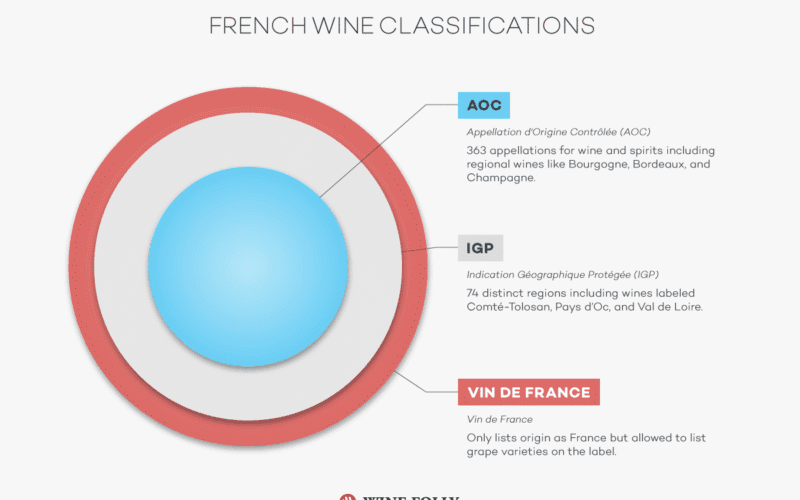
France’s wine labels are a language of precision, but decoding them feels like solving a mystery. Enter AOC—the Appellation d’Origine Contrôlée—France’s strict system for defining wine identity. It’s not just a label; it’s a guarantee of origin, rules, and quality. Think of it as the wine world’s version of a fingerprint: if it’s labeled AOC, you know exactly where it came from and how it was made. AOC isn’t just about geography. It’s a legal framework enforced by the Institut National de l’Origine et de la Qualité (INAO), which sets rules for grape varieties, yields, and even vine density. For…
Read More
Why Your City’s Humidity is Sabotaging Your Coffee—and How to Fix It

Why Your City’s Humidity is Sabotaging Your Coffee—and How to Fix It

Real talk: If you’ve ever wondered why your city’s coffee tastes flat compared to your mountain hometown, you’re not imagining it. The same beans, the same grind, but a dramatically different result? It’s not magic—it’s science. Altitude and humidity play a sneaky role in how coffee extracts, and if you’re in a low-lying, moist environment, your brew might be missing that bold, bright complexity you crave. The truth? Lower altitude means higher atmospheric pressure, which raises water’s boiling point. In cities near sea level, water temp hovers around 200°F (93°C), but in high-altitude regions, it drops to 195°F (90°C) or…
Read More
Why Emerging Markets Are Rewriting the Rules of Specialty Coffee

Why Emerging Markets Are Rewriting the Rules of Specialty Coffee

If you’ve ever wondered why coffee shops in Shanghai are booming while European cafes struggle to keep customers, the answer lies in a quiet revolution. Emerging markets are redefining what specialty coffee can be—by blending passion with pragmatism, they’re proving that creativity outpaces competition. In places like India, Indonesia, and Saudi Arabia, coffee isn’t just a drink; it’s a cultural conversation. These regions are growing at double the pace of Western markets, with India’s coffee shops expanding at twice the rate of their US counterparts. Meanwhile, Shanghai’s rise as a global coffee hub shows that novelty, not just quality, still…
Read More
Emerging Markets Are Redefining Specialty Coffee—Here’s What Mature Roasters Can Learn

Emerging Markets Are Redefining Specialty Coffee—Here’s What Mature Roasters Can Learn

Here’s something to stir your curiosity: The world’s coffee obsession is shifting. While Europe’s consumption stagnates, China’s branded coffee shops now outnumber the U.S., and India’s market is set to double in value by 2030. These aren’t just numbers—they’re signals. For roasters in mature markets, the rise of emerging specialty coffee scenes offers more than just competition. It’s a blueprint for rekindling passion in a sector increasingly defined by cost-cutting and efficiency. Emerging markets like Indonesia, Saudi Arabia, and Jordan are proving that specialty coffee isn’t just a trend—it’s a cultural movement. In India, where coffee shops are growing at…
Read More
Sip Into Tradition: 8 Global New Year’s Pairings That Will Wow Your Guests

Sip Into Tradition: 8 Global New Year’s Pairings That Will Wow Your Guests

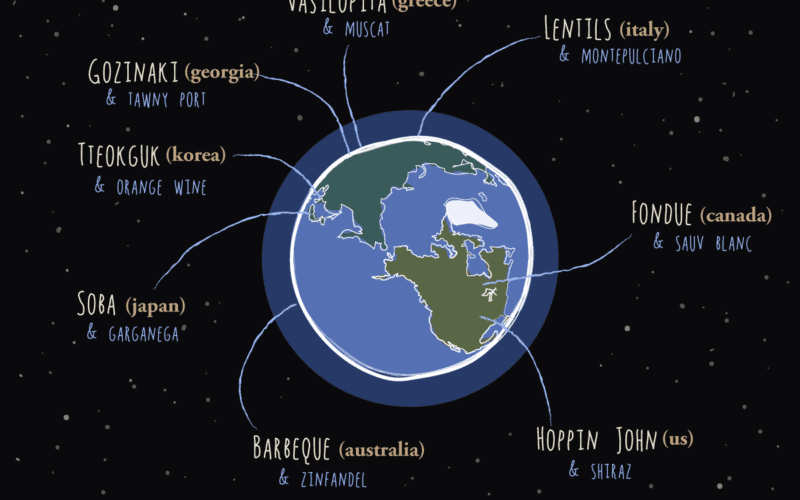
Here’s something to stir your curiosity: Around the world, New Year’s is more than a countdown—it’s a feast of flavors, each tied to ancient customs and lucky symbols. And the perfect wine? It’s not just a drink; it’s a bridge between tradition and taste. From smoky stews to sweet desserts, these pairings turn celebration into an art. In the Southern U.S., black-eyed peas and collard greens are more than a meal—they’re a ritual. The collard greens’ bitterness and the ham’s smokiness demand a bold red. Oak-aged Australian Shiraz, with its blueberry and pepper notes, echoes the dish’s earthy depth. This…
Read More
Skip the Sample Pour: Why You Can (And Should) Ask for a Straight Pour

Skip the Sample Pour: Why You Can (And Should) Ask for a Straight Pour

Let’s talk about the awkward moment when your server holds up a wine bottle, waits for you to sniff, swirl, and nod, then pours. It’s a ritual that feels forced, especially if you’re not a wine expert. The truth? You don’t have to taste the sample. In fact, you’re allowed—and maybe even encouraged—to skip the whole thing. The process is meant to verify the wine’s integrity, not to test your palate. But if it’s making you uncomfortable, you’re not alone. The sample pour serves three purposes: confirming the bottle matches your order, checking for flaws like TCA (cork taint), VA…
Read More