

⏱ 1 min read
The Short Version
Defending a title is harder than winning one, yet Surf Coffee’s duo just pulled off back-to-back victories at The Barista League Asia. By treating judges like cafe guests rather than examiners, they turned technical precision into an immersive masterclass in hospitality.
In This Article
There’s something brewing in Tokyo that proves consistency is harder than catching lightning in a bottle twice. At the latest stop of The Barista League global season in Shimokitazawa, Vasilina Levina and Kirill Gorelov of Russia’s Surf Coffee did more than just defend their title; they redefined what it means to perform under pressure. Competing against five other teams in a high-stakes environment, the duo successfully navigated a revised competition format designed for maximum engagement.
Our interaction with the judges was continuous and sequential, creating one unified story for everyone.
A masterclass in hospitality
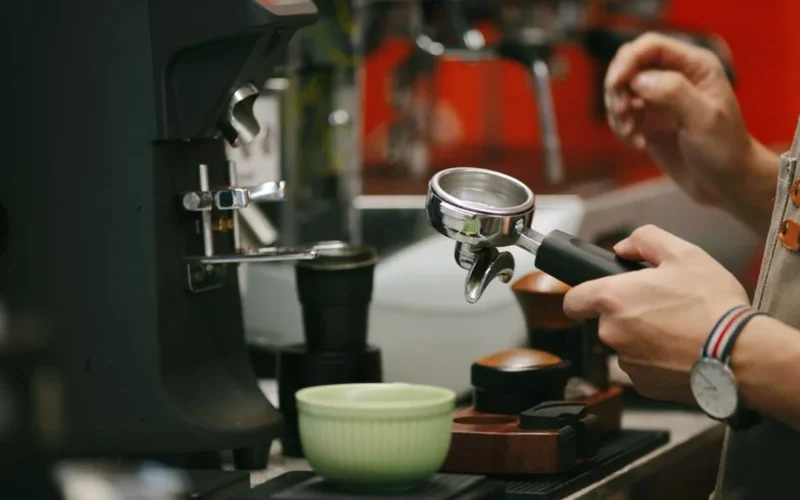
The new TBL structure prioritizes live judge interaction and conceptual service over mere technical repetition. For Levina and Gorelov, success relied on treating the judges not as distant examiners, but as guests in a cafe setting. They applied a fundamental rule from their own shop management: never leave a guest unattended. By weaving their speech and drink preparation into a single, continuous narrative, they maintained constant sensory engagement. Our interaction with the judges was continuous and sequential, creating one unified story for everyone. This approach transformed a rigid technical assessment into an immersive brand experience.
Balancing management and mastery
Winning twice in a row is impressive, but doing so while transitioning from educators to individual coffee shop managers adds a layer of complexity most competitors couldn’t handle. Their preparation wasn’t just about perfecting pour ratios; it was about finding pockets of productivity during a period of significant career shifts. Even their rituals leaned into the local culture, including visits to Tokyo temples to seek favor before the stage lights went up. This victory confirms that their partnership isn’t just based on skill, but on a highly structured team dynamic forged through years of professional growth. As they move forward, the duo remains focused on the intersection of creativity and connection—the very elements that keep them hooked on the craft. It turns out, defending a championship is less about pressure and more about staying true to your operational rhythm. Do you think live judge interaction makes coffee competitions more authentic or just more distracting?
Questions & Answers
How did Surf Coffee win The Barista League in Tokyo?
Surf Coffee secured their back-to-back victory by focusing on continuous sensory engagement and immersive service. Competitors Vasilina Levina and Kirill Gorelov treated the judges like cafe guests rather than distant examiners to master the competition's revised format. They successfully wove their speech and drink preparation into a single, unified narrative that prioritized hospitality. This strategic approach allowed them to navigate a high-stakes environment while maintaining constant interaction throughout their entire performance in Shimokitazawa.
What is the new structure of The Barista League competition?
The new TBL structure prioritizes live judge interaction and conceptual service over simple technical repetition. This revised format is specifically designed to maximize engagement by testing how competitors manage a cafe-like atmosphere. Instead of focusing solely on technical skills, teams must demonstrate their ability to create an immersive brand experience through hospitality. Success in this format requires participants to integrate their storytelling with drink preparation to ensure the judges remain actively involved throughout the process.
Why was the victory for Levina and Gorelov particularly challenging?
The victory was uniquely challenging because the duo had to balance intense competition preparation with significant career transitions. While training for the championship, both competitors were also transitioning from their roles as educators into individual coffee shop management positions. They had to find specific pockets of productivity to maintain their mastery while managing these new professional responsibilities. This required a highly structured team dynamic and extreme discipline to successfully defend their title during such a complex period of growth.
How did the Surf Coffee team prepare for their competition in Japan?
The team prepared by balancing rigorous technical training with local cultural rituals to manage the pressure of the event. Beyond perfecting their coffee pour ratios, they integrated visits to Tokyo temples into their routine to seek favor before performing. Their preparation also involved refining a seamless service rhythm that mirrored their real-world shop management philosophy. By combining professional skill with these personal rituals, they maintained an operational rhythm that helped them succeed in the high-stakes environment of Shimokitazawa.
Originally reported by Barista Magazine.


[…] This shift toward infrastructure is best seen through targeted financial support. The Women in Coffee Access and Training Grant Fund provided critical capital for competitors like Monserrat Cornet, enabling her to compete at Spain’s National Barista Championship. Such initiatives turn empowerment into tangible professional advancement, helping women bridge the gap between manual labor and high-visibility industry roles. […]