⏱ 2 min read
The Short Version
What began as a functional medicinal necessity has evolved into a sophisticated ritual of Italian hospitality. From rustic grappa to bitter amari and sweet limoncello, these spirits serve as liquid maps of regional history designed to slow time and linger around the table.
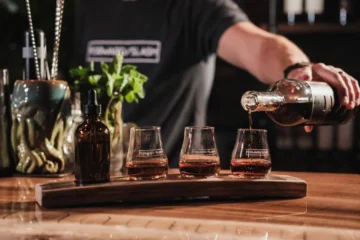
In Italy, finishing dinner doesn’t mean the evening is over; it simply marks the transition into the ritual of the digestivo. What began as a functional practice of using herbs, roots, and botanicals to aid digestion has evolved into a sophisticated cornerstone of hospitality. These spirits serve as an invitation to linger around the table rather than rushing toward the exit.
While these liqueurs were historically associated with aiding digestion, their appeal today has much more to do with flavor preference.
The Complexity of Amari and Grappa
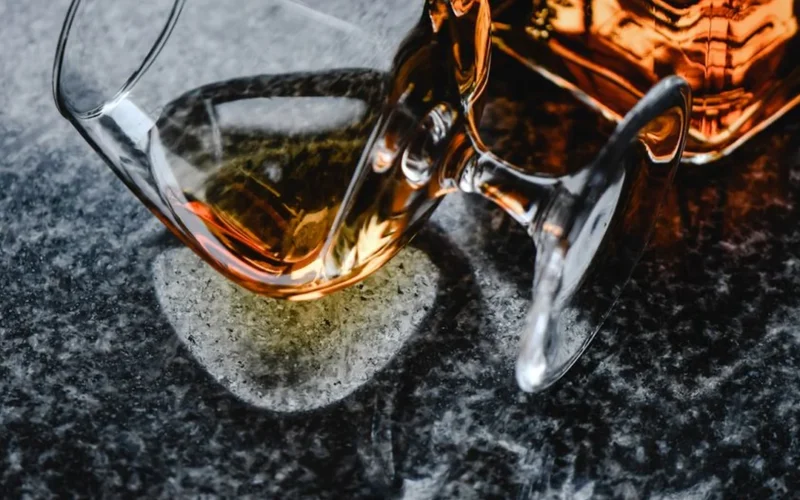
The landscape of after-dinner sipping varies wildly by geography. In northern regions like Veneto, Trentino-Alto Adige, and Piemonte, grappa reigns supreme. Born from the necessity of rural communities to use every part of the harvest, grappa distills the grape pomace—the skins, seeds, and solids left after pressing. It has transformed from a rustic byproduct into a refined category ranging from clear, unaged expressions to those aged in wooden barrels.
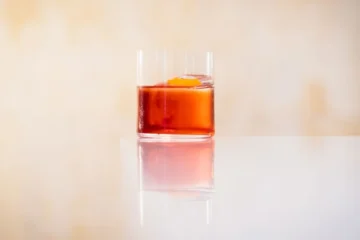
For those seeking more complex profiles, amari offer a spectrum of bitterness. An amaro leggero provides a floral, citrusy gateway for lighter palates, while an amaro medio introduces deeper notes of cola, caramel, or licorice. More intense variations include smoky, medicinal Rabarbaro or resinous Alpine styles driven by mountain herbs. While these liqueurs were historically associated with aiding digestion, their appeal today has much more to do with flavor preference. This versatility even extends to modern mixology, where amari anchor drinks like the Black Manhattan or the Toronto.
Sweetness and Symbolic Rituals
Not all digestivi lean into bitterness. Limoncello offers a bright, sweet alternative deeply tied to the Sorrento Peninsula, Amalfi Coast, and Capri. By steeping lemon peels in alcohol with sugar and water, producers extract aromatic oils that create a fragrant, low-ABV staple. Similarly, sambuca brings a distinct anise profile to the table. Often tied to the port city of Civitavecchia, it is frequently served con la mosca, or “with the fly,” featuring three coffee beans that symbolize health, happiness, and prosperity.
Whether enjoyed neat, added to espresso as a caffè corretto, or used to brighten a cocktail, these spirits represent a centuries-old commitment to slowing down. They are liquid maps of Italy’s regional resources and agricultural history.
Do you prefer the bitter complexity of an amaro or the bright sweetness of a citrus liqueur to end a meal?
Questions & Answers
What is the difference between grappa and amaro?
Grappa is a spirit distilled from grape pomace, while amaro is a liqueur characterized by a spectrum of bitterness. Grappa is produced using the skins, seeds, and solids left over after pressing grapes, making it a staple in northern regions like Veneto. In contrast, amari are crafted from various botanicals and herbs to create diverse flavor profiles. These range from light, citrusy amari leggero to intense, smoky varieties like Rabarbaro or resinous Alpine styles.
How is limoncello produced in Italy?
Limoncello is produced by steeping lemon peels in alcohol mixed with sugar and water. This process extracts the aromatic oils from the peels to create a fragrant and sweet liqueur. It is a bright, low-alcohol staple that is deeply tied to specific coastal regions such as the Amalfi Coast, Capri, and the Sorrento Peninsula. This method results in a refreshing alternative to the more bitter digestivi often consumed after a traditional Italian meal.
Why is sambuca sometimes served with coffee beans?
Sambuca is often served con la mosca, which means "with the fly," to include three coffee beans as a symbolic gesture. These three beans are intended to represent health, happiness, and prosperity for the person drinking it. This anise-flavored spirit is frequently associated with the port city of Civitavecchia. Serving it with these specific ingredients transforms a simple drink into a ritualized experience that carries deep cultural meaning.
What are some ways to consume Italian digestivi?
Italian digestivi can be enjoyed neat, added to espresso as a caffè corretto, or used as a base for modern cocktails. For example, amari are frequently used in mixology to anchor sophisticated drinks like the Black Manhattan or the Toronto. These spirits serve various purposes, from providing a bright, sweet finish like limoncello to offering a complex, bitter profile. Ultimately, these drinks act as an invitation to linger around the table and slow down.
Originally reported by VinePair.