⏱ 1 min read
The Short Version
Coffee prices just surged 15.4% in a single month, marking the sharpest rally since 2021. A massive 30% plunge in U.S. Arabica stocks and erratic Brazilian weather are squeezing supplies, signaling a volatile period ahead for your morning brew.
In This Article
Pour yourself a cup for this one: coffee prices are climbing fast. Global markets saw a massive surge in July as mounting fears over availability pushed the ICO Composite Indicator Price to an average of 287.26 US cents per pound. This represents a staggering 15.4 percent jump from June alone, marking the single largest monthly increase we have seen in years.
Concerns over available coffee supplies are seen as a driver of these across-the-board increases.
The Arabica Squeeze
The volatility is hitting specialty varieties hardest. Colombian Milds led the charge with an 18.1 percent month-to-month rise, while Brazilian Naturals followed closely behind. Concerns over available coffee supplies are seen as a driver of these across-the-board increases. Much of this pressure stems from shrinking inventories, specifically Certified Arabica stocks in the United States, which plummeted 30 percent to their lowest level since early 2024. While Robusta prices did climb, their growth was far more modest than the spike seen in high-end Arabica markets.
Weather and Climate Risks
Nature is playing a decisive role in this market instability. In Brazil, unusually wet conditions have significantly hampered the 2026/27 harvest, leaving it only 64 percent complete by mid-July—well behind the five-year seasonal average. Compounding this logistical headache is the looming shadow of El Niño. With a 97 percent probability of its continuation into 2027, the threat of extreme weather patterns remains a persistent systemic risk for producers and roasters alike. Despite these price spikes and supply anxieties, global trade volume actually showed resilience, with green bean exports seeing a slight year-on-year increase driven largely by Brazilian shipments. Are you noticing higher costs at your local cafe yet?
Questions & Answers
Why are coffee prices increasing so rapidly right now?
Coffee prices are surging primarily due to mounting fears regarding global supply availability and shrinking inventories. The ICO Composite Indicator Price jumped 15.4 percent in July, marking a massive monthly increase driven by scarcity concerns. Specifically, Certified Arabica stocks in the United States plummeted by 30 percent, reaching their lowest levels since early 2024. This combination of dwindling reserves and high demand for specialty varieties has created significant market volatility and upward price pressure across the global coffee industry.
How is weather impacting coffee production in Brazil?
Unusually wet weather conditions in Brazil are significantly hampering the progress of the 2026/27 coffee harvest. As of mid-July, the harvest was only 64 percent complete, which is well behind the typical five-year seasonal average for this period. These logistical challenges are further compounded by the high probability of El Niño continuing into 2027. This ongoing climate risk creates systemic instability for producers, as extreme weather patterns threaten to disrupt future crop yields and maintain high prices in the market.
What are the differences between Arabica and Robusta price trends?
Arabica coffee prices are experiencing much more intense volatility and sharper spikes compared to Robusta varieties. Specialty Arabica markets, such as Colombian Milds, saw a massive 18.1 percent month-to-month rise due to a squeeze on available supplies. While Robusta prices did experience an upward trend during this period, their growth remained far more modest than the dramatic increases seen in the high-end Arabica sector. This divergence is largely driven by the specific shortage of Certified Arabica stocks in the United States.
What is the current status of global green bean exports?
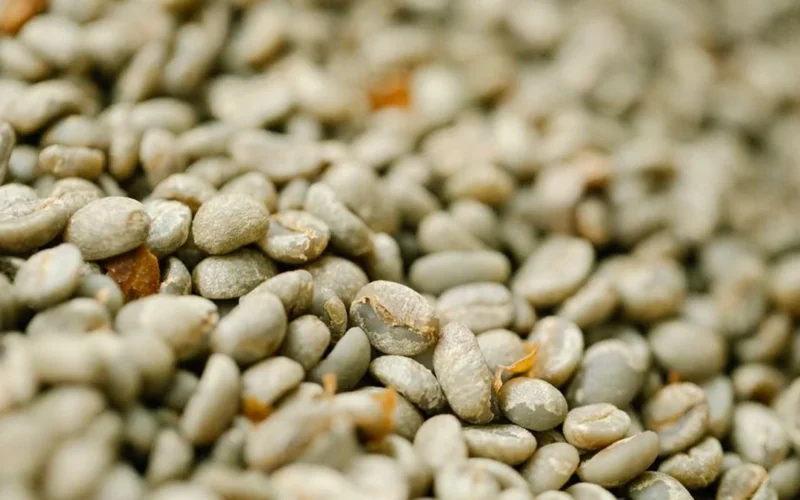
Global green bean exports have shown surprising resilience despite the recent spikes in coffee prices and supply anxieties. Rather than declining, trade volumes actually saw a slight year-on-year increase during this period of market instability. This growth in export volume was driven largely by shipments originating from Brazil. Even as individual varieties like Colombian Milds face price surges and weather-related harvest delays, the overall movement of green beans through global trade channels remains steady and productive.
Originally reported by Global Coffee Report.