⏱ 1 min read
The Short Version
Forget raw volume; Vietnam’s Robusta producers are ditching monocultures for high-value intercropping to survive climate volatility. By integrating crops like durian and avocado, farmers can nearly double returns while building a sophisticated biological buffer against unpredictable weather and market swings.
In This Article
Real talk: being the world’s leading Robusta producer is a high-stakes game when climate volatility becomes the new baseline. In Vietnam’s Central Highlands, success can no longer be measured solely by coffee yield per hectare. As heat stress and unpredictable rainfall intensify, producers are shifting away from monoculture toward sophisticated intercropping systems that prioritize economic stability over raw volume.
Intercropping is only attractive if it improves the overall farm business through income diversification, resilience, lower risk, or long-term soil and water benefits.
The Business Case for Biodiversity
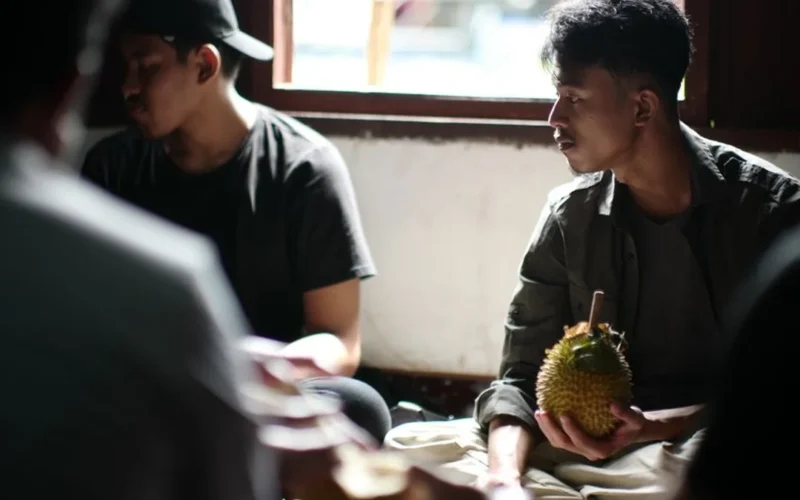
For many farmers, the transition to agroforestry isn’t about environmental idealism; it is about survival through diversification. By integrating high-value crops like durian, avocado, jackfruit, or pepper into coffee landscapes, growers create multiple revenue streams that buffer against coffee price fluctuations. NKG Vietnam and Tchibo are currently working to scale these practices, providing technical training to thousands of smallholders to ensure these systems actually work on the ground. Intercropping is only attractive if it improves the overall farm business through income diversification, resilience, lower risk, or long-term soil and water benefits. While a coffee-durian system has the potential to nearly double total farm returns under favorable conditions, experts warn against replacing one dependency with another, such as highly volatile pepper markets.
Managing the Microclimate
The most misunderstood element of this shift is the role of shade. More trees do not automatically equal better coffee; excessive canopy cover can increase labor costs and suppress yields if not managed with precision. Successful integration requires tailoring species selection and spacing to specific altitudes and rainfall patterns. In regions facing extreme heat, carefully managed shade reduces evapotranspiration and helps soil retain moisture during dry spells. Conversely, in areas prone to heavy storms, diverse root structures help prevent erosion and landslides on sloped terrain. The goal is to move toward regenerative agriculture where the ecosystem supports the crop rather than competing with it. Is the industry doing enough to help farmers transition from high-yield monocultures to these more stable, diversified models?
Questions & Answers
Why are Vietnamese coffee farmers switching from monoculture to intercropping?
Farmers are transitioning to intercropping to build economic resilience against climate volatility and coffee price fluctuations. By integrating diverse crops like durian, avocado, jackfruit, or pepper, growers create multiple revenue streams that stabilize their livelihoods. This shift prioritizes long-term economic stability over the raw volume produced by traditional monoculture systems. Diversification acts as a financial buffer, ensuring that a single bad harvest or market dip does not result in total financial loss for the smallholder.
How does intercropping help manage coffee farm microclimates?
Intercropping manages microclimates by using carefully selected shade trees to regulate temperature and moisture levels. In areas experiencing extreme heat, managed canopy cover reduces evapotranspiration and helps the soil retain essential moisture during dry spells. Additionally, diverse root structures from integrated species help prevent soil erosion and landslides in regions prone to heavy storms and sloped terrain. When managed with precision, these biological systems support the coffee crop rather than competing with it for resources.
What are the potential economic benefits of coffee-durian intercropping systems?
Coffee-durian intercropping systems have the potential to nearly double total farm returns under favorable environmental conditions. This significant increase in income is driven by the addition of high-value crops to the existing coffee landscape, providing a much higher profit margin than coffee alone. However, experts suggest that farmers must be cautious to avoid replacing one market dependency with another. For example, integrating pepper can provide diversity but also introduces exposure to highly volatile pepper markets.
What challenges must be addressed when implementing shade in coffee agroforestry?
The primary challenge in implementing shade is ensuring that excessive canopy cover does not suppress yields or increase labor costs. Successful integration requires precision in species selection and spacing tailored to specific altitudes and local rainfall patterns. If the canopy is too dense, it can negatively impact coffee production and make farm management more difficult. The goal is to achieve a regenerative balance where the shade provides necessary climate protection without hindering the growth of the primary coffee crop.
Originally reported by Global Coffee Report.