⏱ 1 min read
The Short Version
Staghorn sumac blossoms offer a fleeting, floral grace that quickly betrays the palate. While the initial aroma promises a sophisticated botanical infusion, the chemistry shifts rapidly, leaving you with a murky, unpalatable brine reminiscent of sulfurous hard-boiled egg water.
In This Article
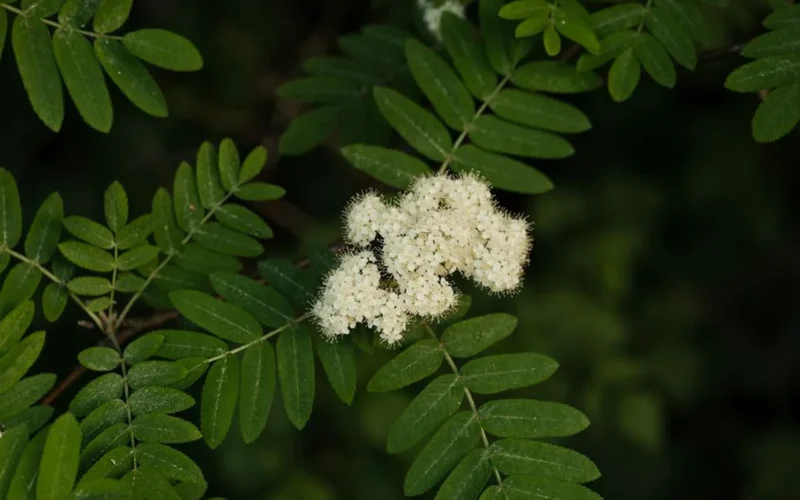
Let’s talk about the dangerous gap between a plant’s scent and its actual palate. Foraging for staghorn sumac blossoms in June suggests a delicate, floral infusion worthy of a fine tisane. The greenish-yellow cones are heavy with pollen and carry a light, resinous aroma that promises a sophisticated cup.
A sensory deception
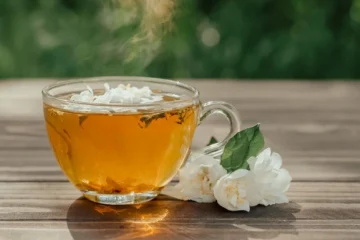
The initial experience of brewing these blossoms is deceptively lovely. Using steaming water just below the boil preserves the ephemeral fragrance, resulting in a pale, attractive green-yellow liquor. [The opening draught offers a fleeting, bright botanical grace.] For about thirty seconds, the infusion lives up to its olfactory potential, offering a fresh, green profile that feels promising.
However, the chemistry of the steep takes a sharp turn as the clock ticks. As the stamens dissolve, they release a concentrated burst of sulfurous compounds and tannins that rapidly overwhelm the water. The progression is dramatic; within three minutes, the tea develops a flavor remarkably similar to the water left behind after hard-boiling eggs. It is not the taste of the egg itself, but rather that specific, heavy essence found in a pot where a shell has slightly cracked.
The verdict on sumac
By the five-minute mark, the infusion has devolved from an elegant botanical experiment into a murky, unpalatable brine. While the flavor does not linger long after swallowing, the transition from floral elegance to sulfurous kitchen water is too jarring to ignore.
If you are looking for the classic tartness associated with sumac, you must wait for the berries to ripen later in the season. As it stands, these blossoms are best left on the tree to provide visual interest or perhaps as a topical face wash. For the tea drinker, this particular bloom is a one-sip wonder that fails the test of longevity.
Have you ever foraged a plant only to find the taste completely betrayed the scent?
Questions & Answers
What does staghorn sumac blossom tea taste like?
Staghorn sumac blossom tea tastes like sulfurous kitchen water after being steeped for a few minutes. While the initial sip offers a fleeting, bright botanical grace and a fresh green profile, the flavor quickly changes as the stamens dissolve. The infusion eventually develops a heavy essence that is remarkably similar to the unpleasant water left behind after hard-boiling eggs. This dramatic shift makes the tea unpalatable for most drinkers once the tannins and sulfurous compounds take over.
How can you get the classic tart flavor from sumac?
You can obtain the classic tartness associated with sumac by waiting for the plant's berries to ripen later in the season. The blossoms available in June are primarily used for their resinous aroma and do not provide the expected acidic profile found in mature fruit. While the greenish-yellow cones offer a lovely scent, they lack the culinary depth of the ripe berries. For those seeking a traditional sumac flavor, foraging for the blossoms is not the correct method.
Why does staghorn sumac blossom tea change flavor during steeping?
The flavor changes because the dissolution of the plant's stamens releases concentrated sulfurous compounds and tannins into the water. Initially, using steaming water just below the boil preserves a delicate floral fragrance and a light botanical taste. However, as the chemical composition of the liquid shifts over several minutes, these released compounds overwhelm the infusion. This process transforms an elegant, aromatic drink into a murky, brine-like liquid that resembles the scent of boiled egg water.
When is the best time to forage staghorn sumac blossoms?
The best time to forage for staghorn sumac blossoms is during the month of June. During this period, the plant produces greenish-yellow cones that are heavy with pollen and carry a light, resinous aroma. While these blossoms are ideal for visual interest or potentially as a topical face wash, they are not recommended for tea due to their rapid flavor degradation. Forging in early summer allows you to experience their sophisticated scent before the berries develop later.
Originally reported by Reddit Tea.