⏱ 1 min read
The Short Version
Reclaiming the art of home roasting requires more than just technical skill; it demands a recalibration of sensory intuition and thermal rhythm. Precision is everything, especially when timing that critical second crack to unlock chocolatey depth without crossing into carbonization.
In This Article
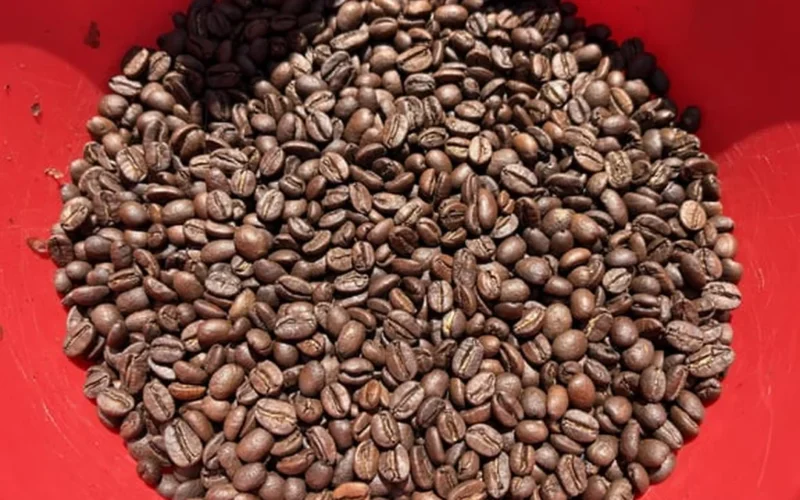
Re-engaging with home roasting after a hiatus since the early 2020s feels less like a technical exercise and more like a reconnection with sensory intuition. My recent attempt involved two twelve-ounce batches of Happy Mug Espresso Blend, a tentative return to the rhythm of heat application and crack monitoring.
Finding the Thermal Rhythm
The second batch served as a sharp reminder that muscle memory requires recalibration. While the first run provided a baseline, the subsequent batch lagged, taking roughly three minutes longer to reach development. [I needed more aggressive heat to maintain momentum.] This delay highlights how easily the delicate balance of airflow and energy drifts during an extended absence from the machine.
Precision at the Second Crack
Success in espresso roasting hinges on the exact moment of termination. In this instance, both batches were dropped at the first sign of second crack to preserve body without leaning into carbonization. The goal was to pull out the blend’s inherent chocolatey depth and subtle nuttiness while maintaining enough brightness for a balanced shot.
The resulting beans are currently degassing. Destined for the Gaggia Classic, they require at least a week for volatile compounds to stabilize before the first shot is pulled. This patience is essential to reaching their peak potential.
What was the most challenging aspect of your return to a hobby after a long break?
Questions & Answers
How long should you wait before brewing freshly roasted espresso beans?
You should allow freshly roasted espresso beans to degas for at least one week before pulling your first shot. This waiting period is essential because it allows volatile compounds within the beans to stabilize properly. Taking this time ensures that the coffee reaches its peak potential and delivers the best possible flavor profile once brewed in an espresso machine like a Gaggia Classic.
What is the ideal time to stop roasting for an espresso blend?
The ideal time to terminate an espresso roast is at the very first sign of the second crack. Dropping the beans at this specific moment helps preserve the body of the coffee without allowing it to lean into carbonization. This precise timing allows a roaster to highlight inherent chocolatey depths and subtle nuttiness while still maintaining enough brightness for a perfectly balanced shot.
Why might a second batch of roasted coffee take longer than the first?
A second batch may take longer to reach development if there is a need to recalibrate heat application or manage airflow drifts. During home roasting, muscle memory can lapse after a hiatus, causing the roasting rhythm to lag. For example, a roaster might need to apply more aggressive heat to maintain momentum and prevent the roast from slowing down significantly during the process.
What flavor profiles can be achieved by roasting at the second crack?
Roasting until the first sign of the second crack helps achieve a profile defined by chocolatey depth and subtle nuttiness. This method focuses on extracting rich, heavy flavors while avoiding the bitter taste associated with over-roasting or carbonization. By carefully monitoring this stage, it is possible to maintain enough brightness in the beans to ensure the final espresso shot remains well-balanced.
Originally reported by Reddit Coffee Roasting.