You’ve probably encountered that age-old question—pour-over or drip coffee? Both methods have their merits, but knowing the nuances can help you brew a better cup of joe. We tapped three experts to shed some light on the differences between these two brewing techniques and uncover which one delivers the best taste.
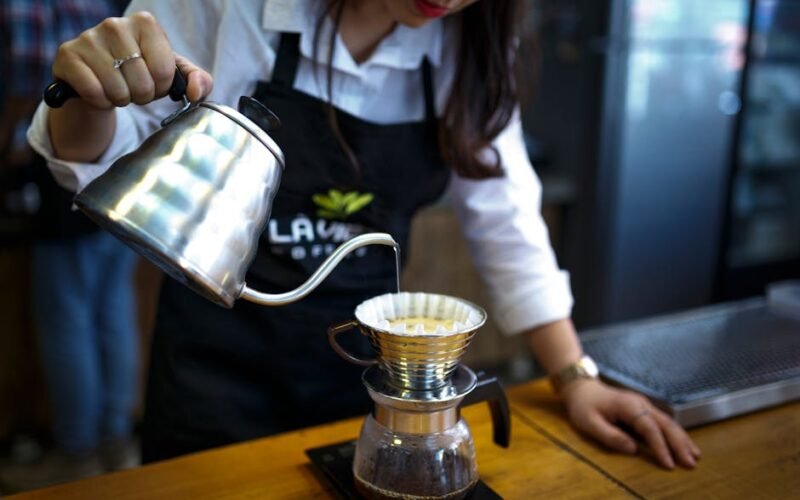
First up: pour-over coffee. This manual method requires more time and attention but offers greater control over each step, resulting in a layered, perfectly extracted cup of coffee—especially with high-quality beans. Christopher Alspach, co-founder of Oval Coffee Roasters, notes that pour-over brewing allows for fine-tuning the process (the science backs this up), which can enhance flavors significantly. Popular pour-over coffee makers include hourglass-shaped models made from heat-resistant glass.
On the flip side, drip coffee is more automatic and less precise, according to Shonali Paul, founder of Paul John Caffeine. This method may produce an average cup compared to pour-over, but it doesn’t mean it’s bad. Drip coffee is brewed without precision, which can lead to variables in taste. If you own a Keurig, then you’re already familiar with drip coffee—it’s fast and convenient.
When it comes to caffeine content, Juan Palacios, barista at Dialtone Coffee and Wine Bar, points out that drip coffee often contains more caffeine overall due to larger brewing quantities and a higher coffee-to-water ratio. However, pour-over can be stronger per ounce depending on how it’s prepared. Ultimately, the caffeine content is determined by the amount of coffee used in the process.
All three experts agree that pour-over coffee offers a superior experience, particularly when you have extra time and want to enjoy the process—it highlights subtle flavors, especially with single-origin beans.
So, which method reigns supreme? All three experts agree that pour-over coffee offers a superior experience, particularly when you have extra time and want to enjoy the process—it highlights subtle flavors, especially with single-origin beans. Pour-over is perfect for making one or two cups when you’re in the mood for something special.
On days when you’re short on time, drip coffee might be a more convenient option. But if you’re off the clock or savoring a slow morning, consider starting a pot of pour-over coffee for a luxurious, intentional experience.
1. Pour-over coffee offers greater control over the brewing process, resulting in layered and perfectly extracted cups—especially with high-quality beans. 2. Drip coffee is more automatic but may produce an average cup compared to pour-over. However, it often contains more caffeine due to larger quantities and a higher coffee-to-water ratio. 3. Pour-over coffee is ideal when you have extra time and want to enjoy the process—it highlights subtle flavors, especially with single-origin beans.
CLOSE: Which brewing method do you prefer, and why? Share your thoughts in the comments below!
Questions & Answers
What brewing method makes the best cup of coffee according to experts?
Pour-Over is the preferred brewing method by 3 experts, as reported in Real Simple.
Is drip coffee less preferable than pour-over coffee?
While still producing a good cup of coffee, drip coffee may not be as favored by some experts compared to the Pour-Over method. (Real Simple)
Information sourced from industry reports and news outlets.