⏱ 1 min read
The Short Version
Winemaker Petroné Thomas is trading heavy extraction for Burgundian precision, finally giving Radford Dale a cohesive soul. By prioritizing clarity and cool-climate elegance over power, the estate has evolved from experimental to essential.
In This Article
Real talk: Radford Dale is no longer just playing catch-up; they are setting a new tempo. For years, we have watched the estate morph through various iterations, but the recent arrival of winemaker Petroné Thomas has provided the missing link of stylistic cohesion. Since her promotion to lead winemaker in 2024, she has brought a nuanced, cool-climate sensibility—informed by her time in Burgundy and Beaujolais—to the South African landscape. The result is a lineup that feels less like a collection of experiments and more like a focused evolution.
The 2025 wines I tried here felt like a real step up.
A New Era for Elgin
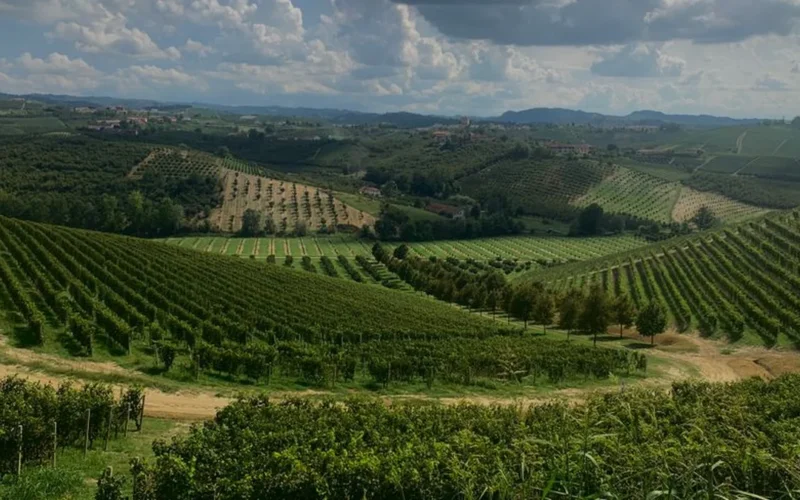
The shift is most palpable in the Elgin releases. While the property was originally established by Brian and Marion Smith, the current team is molding these biodynamically farmed vineyards into something far more precise. The 2025 wines I tried here felt like a real step up. This isn’t merely due to an excellent vintage, but rather a deliberate technical upgrade. From implementing new oak fermenters to experimenting with partial malolactic fermentation on Chardonnay, the cellar is finally catching up to the quality of the fruit. The Freedom Pinot Noir is a standout, offering a textural elegance that sits somewhere between classic Pinot and a refined Nebbiolo.
Precision Over Power
While some producers chase heavy extraction, Radford Dale is leaning into clarity. The Higher Purpose Cabernet Franc from Elgin provides a masterclass in how to handle the variety in a cooler climate, delivering floral aromatics and crushed rock without becoming cumbersome. Even the Vinum series, which remains their high-value benchmark, benefits from this newfound restraint. Whether it is the Gamay showing deeper fruit or the Semillon maintaining its stony tension, there is a sense of purity returning to the bottles. They are successfully bridging the gap between approachable daily drinkers and serious, age-worthy estate expressions. Which of these South African varietals do you find most underrated in the current market?
Questions & Answers
What impact has Petroné Thomas had on Radford Dale wines?
Petroné Thomas has brought a sense of stylistic cohesion and a nuanced, cool-climate sensibility to the Radford Dale lineup. Since her promotion to lead winemaker in 2024, she has applied expertise gained from Burgundy and Beaujolais to the South African landscape. This technical direction has transformed the estate's production from a collection of individual experiments into a focused evolution. Her influence is visible in the increased precision and clarity found across their recent releases.
How is Radford Dale improving its winemaking process?
Radford Dale is implementing deliberate technical upgrades in the cellar to match the high quality of their fruit. The estate has introduced new oak fermenters and begun experimenting with techniques like partial malolactic fermentation on Chardonnay to achieve better results. These changes reflect a shift toward precision over heavy extraction. By focusing on these technical refinements, the winery is successfully bridging the gap between approachable daily wines and serious, age-worthy estate expressions.
What are the characteristics of Radford Dale's Elgin releases?
The Elgin releases from Radford Dale are characterized by increased precision and a focus on biodynamically farmed vineyards. Recent wines, such as the Freedom Pinot Noir, offer a textural elegance that sits between classic Pinot and refined Nebbiolo. Other varietals like the Higher Purpose Cabernet Franc showcase floral aromatics and crushed rock notes without being cumbersome. This direction emphasizes clarity and restraint rather than chasing heavy extraction or excessive power in the cooler climate.
Why is the Vinum series seeing improvements in quality?
The Vinum series is benefiting from a newfound sense of restraint and a return to purity in the bottles. Even as a high-value benchmark, these wines are showing improved characteristics through more deliberate winemaking techniques. For example, the Gamay is demonstrating deeper fruit profiles, while the Semillon is maintaining its distinct stony tension. This evolution ensures that even their benchmark series aligns with the estate's broader move toward clarity and stylistic cohesion.
Originally reported by Wine Anorak.