

⏱ 2 min read
The Short Version
Oregon State is ditching the Pinot noir monopoly to test disease-resistant grape varieties that slash fungicide reliance. By pairing these resilient new cultivars with precision rootstock selection, researchers are engineering a lower-input, high-quality future for viticulture.
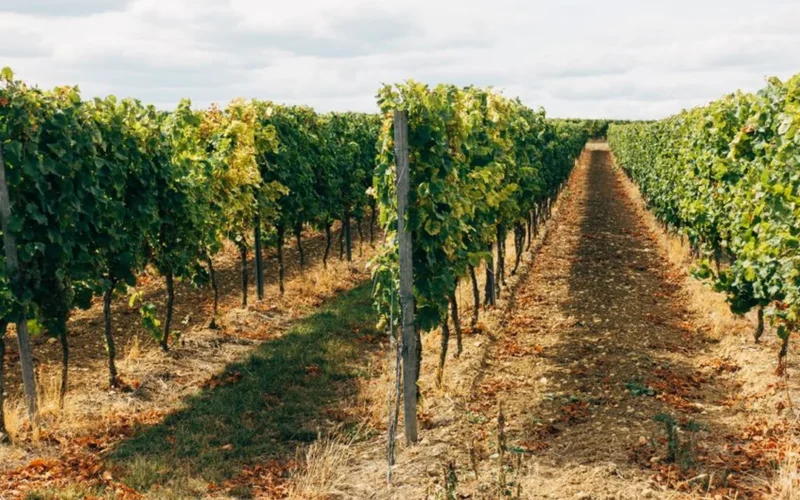
At Oregon State University’s Woodhall Vineyard, Patty Skinkis is preparing for a shift from decades of established Pinot noir research toward a more resilient future. New plantings scheduled for spring 2027 will evaluate improved wine grape varieties selected for high quality and resistance to powdery mildew—a priority driven by grower demand for lower-input viticulture.
We want the ones that have good wine quality but have more disease resistance.
Selecting for resilience and quality
The push for improved varieties aims to reduce reliance on repeated fungicide applications, which is especially critical for organic and biodynamic growers. After narrowing a list of 40 candidates based on Oregon’s climate and quarantine requirements, Skinkis plans to test both red and white varieties starting in 2027. We want the ones that have good wine quality but have more disease resistance. This research ensures growers aren’t limited to traditional staples like Pinot noir simply because they are easier to manage under disease pressure.
Decoding rootstock performance
Ongoing work at Woodhall examines how different rootstocks influence vine vigor and water stress in dry-farmed conditions. Data collected since 2019 shows that rootstocks such as 5BB and 1103 produce large canopies without significant water stress, challenging the assumption that larger canopies require more irrigation. However, this vigor carries risks; Skinkis notes that 5BB can become so aggressive it compromises fruit set. Other options like Riparia Gloire result in smaller vines with higher water stress, while 4453 remains a consistently low-vigor choice.
These findings bridge the gap between academic study and commercial application. For viticulturists like Ackley Brands’ Becky Schiefelbein, OSU open houses provide a vital opportunity to compare research against the real-world conditions of her own managed vineyards. Such exchanges allow industry members to move beyond data and discuss how rootstock and variety choices will perform under future growing conditions.
Research is now moving into chemical nuances, analyzing how rootstocks affect potassium, acidity, and nitrogen. By understanding these interactions, researchers hope to help growers match rootstocks to specific sites to minimize external inputs. This precision extends to pruning trials, where Skinkis has observed that minimally pruned vines push buds earlier than conventionally pruned ones, though they face greater resource demands from heavier crop loads.
As these new improved varieties mature, will the industry be ready to embrace more diverse grape profiles?
Questions & Answers
Why is Oregon State University researching disease-resistant grape varieties?
Oregon State University is researching disease-resistant grape varieties to reduce the viticulture industry's reliance on repeated fungicide applications. This shift is primarily driven by grower demand for lower-input viticulture, which is particularly essential for those practicing organic and biodynamic farming methods. By selecting varieties that offer high wine quality alongside natural resistance to powdery mildew, researchers aim to ensure that growers are not restricted to traditional staples like Pinot noir simply because they are easier to manage under disease pressure.
How do different rootstocks affect vine vigor and water stress?
Different rootstocks influence vine vigor and water stress by altering canopy size and resource management in dry-farmed conditions. Rootstocks such as 5BB and 1103 are known to produce large canopies without causing significant water stress, though 5BB can sometimes become aggressive enough to compromise fruit set. In contrast, Riparia Gloire results in smaller vines that experience higher water stress, while the 4453 rootstock remains a consistently low-vigor option for growers looking to manage vine growth more conservatively.
What impact does pruning have on grape vine development?
Pruning methods significantly influence when vine buds emerge and how much energy the plant requires for its crop. Minimally pruned vines tend to push their buds earlier in the season compared to vines that undergo conventional pruning practices. However, these minimally pruned vines also face much greater resource demands because they must support heavier crop loads. Understanding these growth patterns helps researchers and viticulturists better manage the resource allocation and timing of their vineyards.
When will the new grape variety trials begin at Woodhall Vineyard?
The new plantings for evaluating improved wine grape varieties are scheduled to begin in the spring of 2027. These trials will involve testing both red and white varieties that have been selected for their high wine quality and resistance to powdery mildew. Researchers narrowed the selection down from 40 potential candidates based on specific Oregon climate conditions and quarantine requirements. This upcoming research aims to provide growers with more resilient options for future vineyard management.
Originally reported by OSU Extension Service.