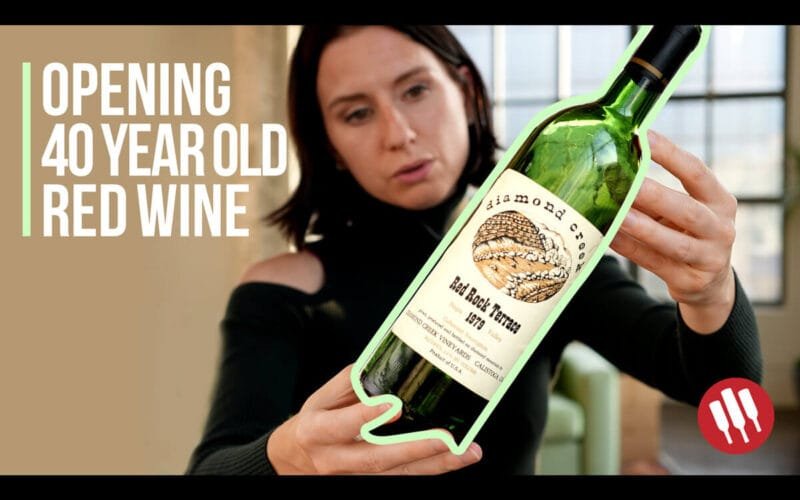
Opening a 40-year-old bottle isn’t just about patience—it’s a high-stakes gamble. The fragile cork, saturated with wine and time, demands a tool sharper than your average opener. A standard corkscrew? It’s a recipe for disaster. Professionals swear by the Ah-So or Coravin, devices designed to slice through decades of decay without spilling precious liquid. But even with the right gear, the real test begins inside the bottle.
Wine doesn’t just age—it evaporates. In dry climates, the cork becomes a sieve, leaching moisture and leaving bottles at “low shoulder” or worse. The worst-case scenario? A bottle filled to the neck (high shoulder) is a rare gem, while anything below that risks oxidation. Air exposure is the enemy; it turns wine from vibrant to vinegar in days. So when you spot a 40-year-old bottle on an auction site, ask yourself: Is this a treasure or a time bomb?
The stakes hit harder when you actually taste it. During a recent session, Master Sommelier Jackson Rohrbaugh was left speechless by a 1979 Diamond Creek Cabernet. The wine didn’t just survive—it thrived, defying expectations. Napa Valley, often criticized for its fruit-forward youthfulness, proved it could age like a Burgundy. Yet the group debated whether the 2018 vintage would match that longevity. Only time will tell.
What makes a wine survive four decades? It’s a mix of terroir, structure, and serendipity. A 1979 Cabernet with high tannins, acidity, and balance became a liquid time capsule. But not all wines are built to last. The lesson? Age doesn’t guarantee quality—it’s a gamble rooted in science and luck.
Key points: Use specialized tools to avoid crumbling corks, assess bottle condition before opening, and recognize that aging is a delicate dance between preservation and decay.
Key points: Use specialized tools to avoid crumbling corks, assess bottle condition before opening, and recognize that aging is a delicate dance between preservation and decay.
Close: Have you ever opened a bottle that defied the odds? What did it taste like? Share your story in the comments.
Questions & Answers
How do I know if 40-year-old wine is still good?
Check for cork damage, off smells, or sediment. Taste for fruitiness; if it’s sour or bitter, it may be past its prime.
Can I drink 40-year-old wine?
Yes, if stored properly. It may have developed complexity but could also be corked or oxidized. Always check condition before opening.
Information sourced from industry reports and news outlets.