⏱ 1 min read
The Short Version
Nestlé’s $400m sale of Blue Bottle to Luckin redefines the premium coffee market, blending design-driven cafes with convenience-focused growth as Asian players challenge global dominance. The deal signals a shift in power, reshaping trade and specialty coffee’s future.
Consider this: Nestlé’s $400m sale of Blue Bottle to Luckin is reshaping the premium coffee landscape. The Chinese chain is acquiring Blue Bottle’s cafés while keeping Nestlé’s packaged goods, a move that signals a bold shift in how quality and scale are defined in the specialty coffee world.
The move also highlights a growing tension between legacy brands and agile newcomers—Nestlé’s decision to retain its CPG arm suggests it sees value in both sides of the equation.
The Premium Playbook Gets Rewritten
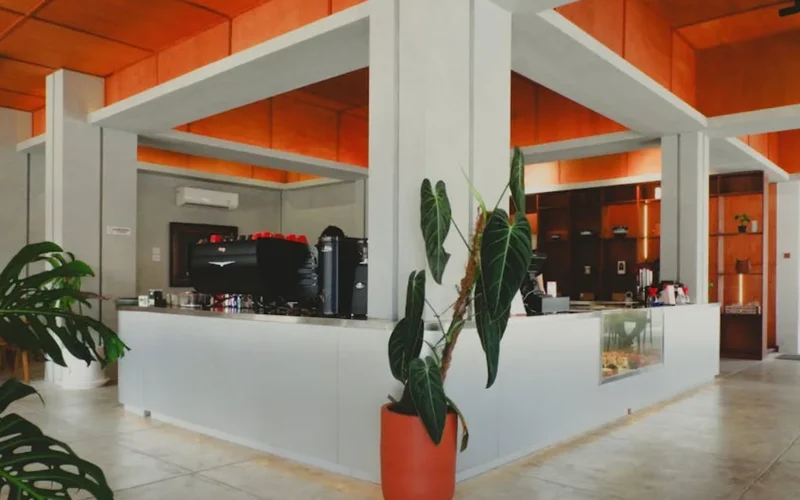
Blue Bottle’s open-plan cafés and design-centric approach contrast sharply with Luck’tin’s convenience-focused model. Yet the acquisition signals a broader trend: Asian players are no longer content to nibble at the edges of the specialty market. Luckin’s roasting center in Qingdao, touted as the world’s largest, underscores its ambition to dominate regional markets. The move also highlights a growing tension between legacy brands and agile newcomers—Nestlé’s decision to retain its CPG arm suggests it sees value in both sides of the equation.
Tariffs, Trade, and the Coffee Supply Chain
China’s tariff cuts on Ethiopian coffee imports hint at a larger reconfiguration of global trade routes. With Luckin’s expansion into the U.S. and its Asian ambitions, the coffee supply chain is becoming increasingly fragmented. Ethiopian producers, long reliant on Western markets, now face a new dynamic: balancing export deals with rising competition from regional players. The deal’s completion in 2026 could reshape power balances, forcing specialty coffee to reckon with both local and global forces.
The move also highlights a growing tension between legacy brands and agile newcomers—Nestlé’s decision to retain its CPG arm suggests it sees value in both sides of the equation. What happens when the world’s fastest-growing coffee chains start rewriting the rules of quality and scale?
Questions & Answers
How is Luckin reshaping the premium coffee market?
Luckin is reshaping the premium coffee market by acquiring Blue Bottle’s cafés while retaining Nestlé’s packaged goods. This move signals a shift toward blending quality with scale, as Luckin aims to dominate regional markets through its large roasting center in Qingdao.
Why is the Blue Bottle-Luckin deal significant for the coffee industry?
The Blue Bottle-Luckin deal is significant because it highlights the growing influence of Asian players in the specialty coffee market. Luckin’s expansion into the U.S. and its focus on regional dominance challenge traditional power structures, reshaping how quality and scale are defined in the industry.
What impact could the deal have on global coffee trade?
The deal could disrupt global coffee trade by altering supply chain dynamics. China’s tariff cuts on Ethiopian coffee suggest a shift toward regional competition, forcing specialty coffee producers to adapt to both local and global market pressures.
How are legacy brands responding to agile newcomers in the coffee industry?
Legacy brands like Nestlé are adapting by retaining their CPG arm while engaging with agile newcomers. This strategy allows them to leverage both traditional strengths and innovative approaches, reflecting a broader industry shift toward balancing heritage with modern competition.
Originally reported by Perfect Daily Grind.