

⏱ 1 min read
The Short Version
The best coffee in the world hasn’t even been grown yet. By leveraging a massive global breeding network and low-cost genetic markers, researchers are slashing traditional thirty-year development cycles down to just eight years to outpace climate change.
Real talk: the coffee we drink today may not be the same variety we enjoy in thirty years. Climate change and intensifying disease pressure are threatening the traditional varieties that have anchored the industry for generations. However, World Coffee Research (WCR) is fighting back through science rather than just hope. Their latest annual report reveals a massive, coordinated effort to stabilize the global supply via the Innovea Global Breeding Network.
The best coffee in the world hasn’t been grown yet.
A radical shift in breeding
The scale of this initiative is unprecedented. Eleven partner countries—which usually compete fiercely for market share—are now collaborating within a single shared system that accounts for 40% of the world’s coffee production. This isn’t just about Arabica anymore; the network has expanded into robusta breeding, bringing nations like Vietnam and Ghana into the fold. An independent panel of experts recently noted that these initiatives represent radical changes in how the world’s two most important species are developed. The best coffee in the world hasn’t been grown yet. By moving toward data-driven breeding, WCR aims to maximize genetic gains in yield and quality simultaneously.
Accelerating the timeline from lab to farm
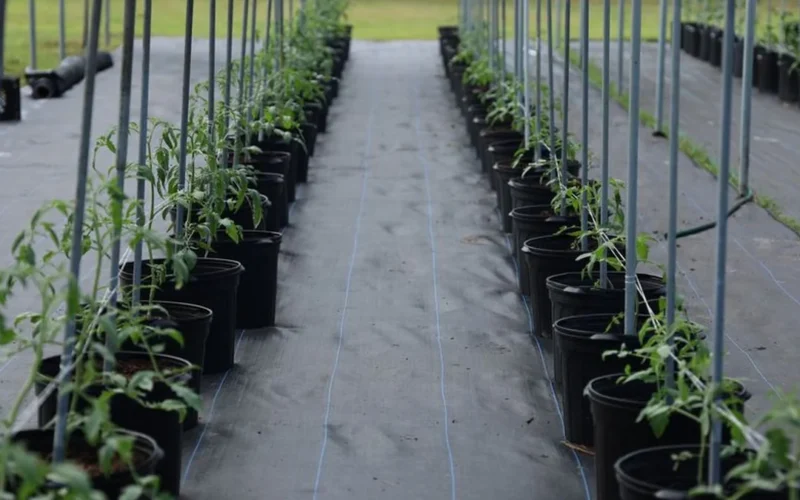
One of the most critical breakthroughs involves tackling coffee leaf rust, an economically devastating disease. Through new collaborations with Cenicafé and the USDA, researchers are developing low-cost genetic markers designed to shrink the traditional thirty-year breeding cycle down to just eight years. But scientific progress is useless if it stays in a petri dish. To ensure these advancements reach actual soil, WCR is scaling up seed systems in regions like Peru and Uganda. In Peru alone, new arabica seed lots are projected to produce enough seeds to renovate 1,500 hectares annually by 2028. It is a massive infrastructure investment disguised as research, ensuring that high-quality, resilient genetics actually make it into farmers’ hands. Do you think the industry should prioritize climate resilience over flavor complexity in new varieties?
Questions & Answers
How is the Innovea Global Breeding Network changing coffee production?
The Innovea Global Breeding Network changes coffee production by uniting eleven partner countries into a single collaborative system. This initiative covers approximately 40% of the world's total coffee production and expands breeding efforts beyond Arabica to include robusta varieties. By involving nations like Vietnam and Ghana, the network creates a coordinated global effort to stabilize supply. This shift toward data-driven breeding allows researchers to maximize genetic gains in both crop yield and flavor quality simultaneously.
What methods are being used to speed up coffee breeding cycles?
Researchers are using new low-cost genetic markers to significantly accelerate the timeline from laboratory development to farm implementation. These scientific advancements aim to shrink the traditional thirty-year breeding cycle down to just eight years. This process involves critical collaborations with organizations such as Cenicafé and the USDA to tackle issues like coffee leaf rust. By reducing the time required for development, scientists can deliver resilient coffee varieties to farmers much more quickly than previous methods allowed.
Why is climate change a threat to the global coffee industry?
Climate change threatens the coffee industry by creating intensifying disease pressure and altering the environments where traditional coffee varieties thrive. As environmental conditions shift, the specific varieties that have anchored the global market for generations face increasing instability. To combat these threats, organizations like World Coffee Research are moving away from hope-based strategies toward science-based breeding. This proactive approach focuses on developing new genetics that can survive changing climates while maintaining a stable global supply.
How does WCR ensure new coffee varieties reach actual farmers?
World Coffee Research ensures new varieties reach farmers by scaling up seed systems in key growing regions like Peru and Uganda. This strategy involves making massive infrastructure investments to bridge the gap between laboratory research and practical soil application. For example, new arabica seed lots in Peru are projected to produce enough seeds to renovate 1,500 hectares every year by 2028. This ensures that high-quality, resilient genetics move effectively from petri dishes into the hands of producers.
Originally reported by Barista Magazine.


[…] grains, but from Japan’s paddy fields. As climate volatility and rising costs squeeze traditional coffee production, MNH Inc. is looking toward Shonai, Yamagata Prefecture, to reinvent a staple ingredient. Their […]