⏱ 1 min read
The Short Version
Hawke’s Bay blends volcanic soils and ocean breezes to create wines that balance boldness and restraint, with subregions like Gimblett Gravels and Esk Valley shaping unique, complex expressions.
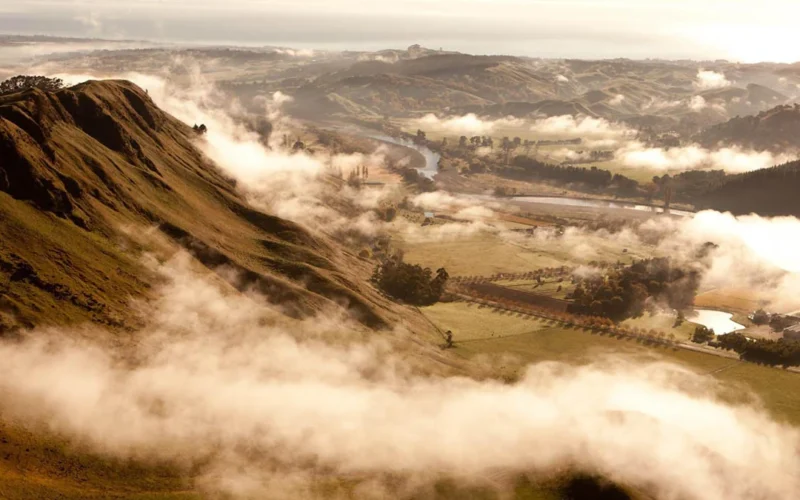
Consider this your morning briefing: Hawke’s Bay isn’t just New Zealand’s most complete wine region—it’s a laboratory of contrasts, where volcanic soils meet ocean breezes, and boldness meets restraint. Here, the climate isn’t just a backdrop—it’s the engine that shapes every bottle.
Hawke’s Bay proves that the best wines are born from conflict—between sea and stone, between cool and heat, between restraint and boldness.
The Subregions: Microclimates That Define Identity
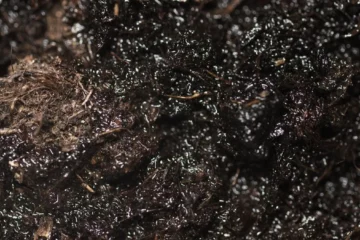
Hawke’s Bay’s magic lies in its subregions, each shaped by geography and climate. Gimblett Gravels, for instance, sits inland, where daytime heat ripens grapes while nighttime cooling preserves acidity. The gravel soils act like a heat sink, concentrating fruit and tannins into wines that are both earthy and polished. Nearby, Esk Valley’s narrow coastal exposure creates a unique interplay of warmth and sea breeze, yielding reds with ripe blackberry and dried herb notes. These subregions aren’t just places—they’re the architects of Hawke’s Bay’s reputation for complexity.
Climate as a Catalyst: The Dance of Cool and Heat
The region’s maritime influence is undeniable, but it’s the interplay between coastal coolness and inland warmth that defines its character. Syrah, for example, thrives in this tension, developing white pepper and violet aromas with a freshness absent in warmer regions. ChardandReturn benefits from the same balance, offering creamy textures without sacrificing acidity. Winemakers here aren’t just farming grapes—they’re curating terroir, crafting wines that feel both restrained and revelatory.
Hawke’s Bay proves that the best wines are born from conflict—between sea and stone, between cool and heat, between restraint and boldness.
As climate change reshapes the region, winemakers are already adapting—planting heat-resistant varieties, investing in sustainable irrigation, and rethinking vineyard layouts to preserve the delicate balance that defines Hawke’s Bay. The future of New Zealand wine may hinge on how well its regions can navigate these shifts while holding onto the contrasts that make its wines so compelling. How do you think Hawke’s Bay will evolve as climate change reshapes its terroir?
Questions & Answers
How does the climate influence Hawke’s Bay wine production?
Hawke’s Bay’s climate shapes its wines through the interplay of coastal coolness and inland warmth. This balance allows Syrah to develop white pepper and violet aromas with freshness, while Chardonnay offers creamy textures without sacrificing acidity. The region’s maritime influence creates a unique environment for complex, high-quality wines.
What makes Gimblett Gravels unique in Hawke’s Bay?
Gimblett Gravels is known for its inland location and gravel soils that act as a heat sink, ripening grapes while preserving acidity. This results in wines that are earthy, polished, and concentrated, with bold tannins and intense fruit characteristics, defining the region’s reputation for complexity.
Why are subregions important in Hawke’s Bay?
Subregions like Gimblett Gravels and Esk Valley define Hawke’s Bay’s identity through distinct microclimates. These areas create unique conditions for grape growing, influencing wine styles and terroir expression. Each subregion contributes to the region’s reputation for complexity and diversity in wine.
How are winemakers adapting to climate change in Hawke’s Bay?
Winemakers are adapting by planting heat-resistant varieties, investing in sustainable irrigation, and rethinking vineyard layouts. These strategies aim to preserve the delicate balance of Hawke’s Bay’s climate, ensuring the region’s ability to produce high-quality wines despite environmental shifts.
Originally reported by Wine Folly.