

⏱ 1 min read
The Short Version
Forget everything you know about DRC's coffee limitations; the upcoming Best of Congo auction showcases technical resilience through experimental anaerobic microlots and award-winning profiles. This is a rare chance to source high-scoring, traceable gems while directly fueling social impact for marginalized producers.
In This Article
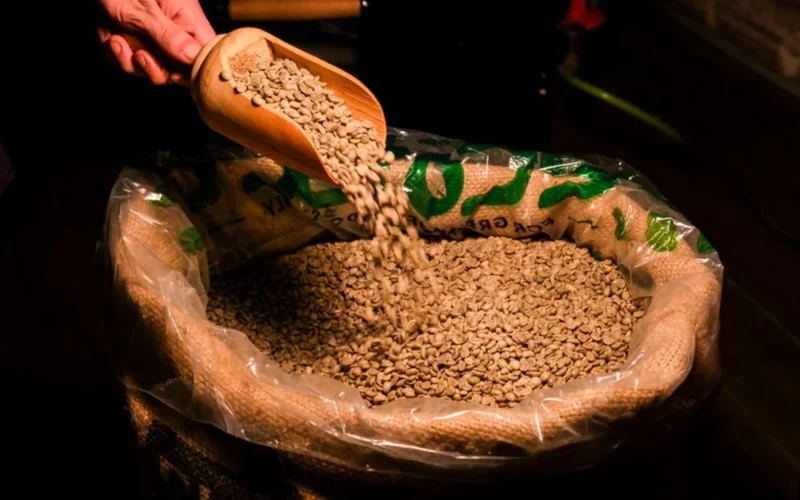
Listen up: the Democratic Republic of Congo is quietly positioning itself as a serious player in the specialty coffee landscape. While the region has historically struggled with infrastructure and conflict, the upcoming Best of Congo Cooperatives auction proves that quality is not being sidelined by circumstance. From September 1–3, green coffee buyers can access highly traceable microlots ranging from Lake Kivu to the Rwenzori mountains.
Choosing to produce an experimental anaerobic coffee like Izuba is far more than a technical innovation: it is an economic, social and symbolic response.
Innovation Amidst Adversity
The selection features 32 distinct coffees, including 14 international award winners available via the M-Cultivo platform. These lots represent more than just high scores; they are evidence of technical resilience in a difficult climate. The standout is Café Izuba, which marks the DRC’s first foray into anaerobic fermentation. Produced by leaders Linda Mugaruka and Moise Dunia Muhindo, this experimental lot serves a dual purpose. Choosing to produce an experimental anaerobic coffee like Izuba is far more than a technical innovation: it is an economic, social and symbolic response. By creating higher value from every kilogram, these producers are fighting for stability through sophisticated processing.
A Platform for Social Impact
Beyond the flavor profiles—which span washed, natural, and anaerobic processes—the auction serves as a vital mechanism for community reinvestment. This year’s program places a specific emphasis on marginalized groups, featuring microlots produced by women, young people, and the Batwa communities. With top lots starting at $13 per kilogram, the entry point allows roasters to engage with an origin that is still very early in its journey toward global recognition. Investing in these small batches provides the capital necessary to navigate logistical constraints and improve farmer income. For those looking to discover a new frontier in specialty coffee, this auction represents a chance to support both innovation and essential local development.
Which emerging coffee origins do you think hold the most untapped potential for specialty roasters?
Questions & Answers
What coffee varieties and processes are available in the Best of Congo auction?
The auction features a diverse selection of 32 distinct microlots utilizing washed, natural, and anaerobic fermentation processes. These coffees originate from various regions including Lake Kivu and the Rwenzori mountains. A notable highlight is the Café Izuba lot, which represents the first time the Democratic Republic of Congo has produced an experimental anaerobic coffee. Buyers can access these highly traceable specialty coffees through the M-Cultivo platform to discover unique flavor profiles from this emerging origin.
How does the Best of Congo auction support local communities and marginalized groups?
The auction acts as a vital mechanism for community reinvestment by prioritizing microlots produced by women, young people, and Batwa communities. By providing a platform for these specific groups, the program helps direct economic benefits toward those who need them most. Investing in these small batches provides essential capital that allows farmers to navigate logistical constraints and improve their overall income. This approach ensures that specialty coffee sales contribute directly to social stability and local development.
When can green coffee buyers participate in the Best of Congo Cooperatives auction?
Green coffee buyers can access the upcoming Best of Congo Cooperatives auction from September 1 through September 3. During this period, participants can bid on highly traceable microlots that showcase the technical resilience and innovation of Congolese producers. The selection includes 14 international award-winning coffees available via the M-Cultivo platform. This specific timeframe offers roasters a unique opportunity to engage with a new frontier in the specialty coffee landscape at competitive entry points.
Why is anaerobic fermentation being used by producers in the Democratic Republic of Congo?
Producers are using anaerobic fermentation as a sophisticated technical innovation to create higher economic value from every kilogram of coffee produced. This experimental method, exemplified by the Café Izuba lot, serves as an economic, social, and symbolic response to the region's difficult climate and infrastructure challenges. By focusing on high-value processing techniques, farmers can fight for greater stability through improved quality. This strategy helps transition the DRC from a struggling region into a serious player in specialty coffee.
Originally reported by Daily Coffee News.


[…] the year. Could this type of localized, circular waste management be the blueprint for sustainable coffee farming […]
[…] to navigate both logistical bottlenecks and uncertain yields. While the industry looks toward high-profile celebrations of quality, the immediate reality for many producers is one of recovery and […]