⏱ 2 min read
The Short Version
Tiny white hairs on green tea, called *cha hao*, signal freshness and quality, not mold, and are a natural byproduct of young tea buds. Their presence indicates peak harvest and can enhance the tea’s aroma and texture.
In This Article
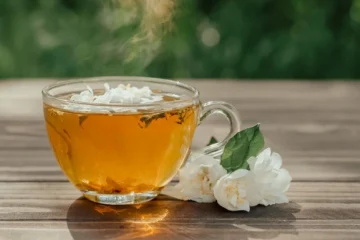
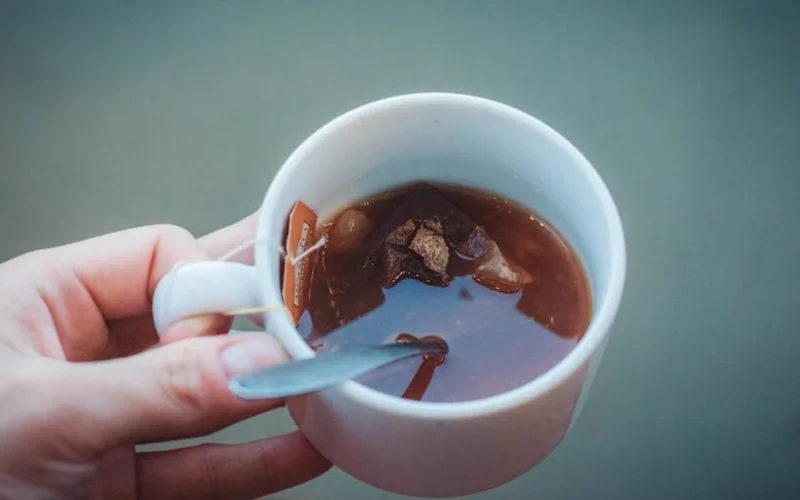
There’s a subtle marvel in your cup of green tea—delicate, fine hairs that may just elevate your experience. These tiny, fuzzy specks clinging to your brew or the thin layer adhering to your tea bag are not mold. They’re cha hao, the fine downy hairs shed by young tea buds, and they signify a tea that’s been harvested at its peak freshness.
As long as you don’t have a specific allergy to fine plant matter, they’re generally completely safe to drink.
The Science of Cha hao
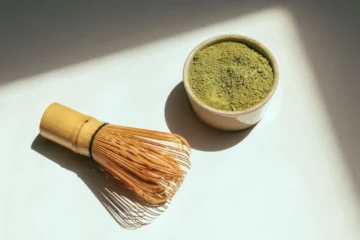
Cha hao—translated as “tea hairs”—form on the tender tips of young tea leaves, particularly in varieties like dragonwell or matcha. These microscopic filaments are a byproduct of the plant’s natural growth, accumulating as the buds sprout and then shedding during processing. The presence of cha hao indicates the leaves were harvested at a young age, when their cellular structure is still delicate and full of potential. This is why high-end green teas often exhibit a soft, powdery texture: the hairs remain intact. During rolling and drying, the leaves rub against each other and machinery, causing some hairs to detach and settle on the surface. The result is a fine, white haze that can easily be mistaken for mold, but is entirely natural and a sign of quality.
Distinguishing Cha hao From Mold
The key lies in aroma. If your tea exudes a clean, vibrant scent with notes of grass, seaweed, or citrus, you’re in good hands. However, if it carries a musty or damp undertone, that’s a red flag. Cha, hao never emits an off-putting odor. These hairs are also inert—non-allergenic and harmless to most. Tea processors often remove visible clumps before packaging, but static electricity can leave a faint fuzzy layer inside the bag. If you’re uncertain, brew a cup. If it smells clean, it’s safe. As long as you don’t have a specific allergy to fine plant matter, they’re generally completely safe to drink. So, the next time you notice those fine threads, don’t reach for the trash. They’re a sign your tea is young, vibrant, and crafted with care. But here’s the real question: What else in your tea ritual could be misinterpreted as a flaw? Share your discoveries below.
Questions & Answers
What are the fine white hairs on green tea?
The fine white hairs on green tea are called *cha hao*, which are the downy hairs shed by young tea buds. They form on the tender tips of young leaves and indicate the tea was harvested at its peak freshness. These hairs are a natural byproduct and a sign of quality.
How can I tell if the white hairs on my tea are mold?
To determine if the white hairs are mold, check the aroma. *Cha hao* has a clean, vibrant scent with notes of grass or citrus, while mold carries a musty or damp odor. *Cha hao* is also inert and non-allergenic, making it safe to consume.
Why do high-end green teas have a powdery texture?
High-end green teas have a powdery texture because the *cha hao* remains intact during processing. These fine hairs are a sign of young, fresh leaves harvested at their peak. The powdery texture results from the natural shedding of these hairs during rolling and drying.
Are the white hairs on green tea safe to drink?
The white hairs on green tea are safe to drink for most people. They are inert, non-allergenic, and harmless. Unless you have a specific allergy to fine plant matter, *cha hao* is completely safe. Tea processors often remove visible clumps, but a faint fuzzy layer may remain due to static electricity.
Originally reported by Reddit Tea.