Tea Facts

Discover tea varieties, brewing techniques, and health benefits. From green tea to oolong and beyond.

The Gaiwan Size Dilemma: How Much Tea Can You Actually Brew?

The Gaiwan Size Dilemma: How Much Tea Can You Actually Brew?

This is worth savoring: A gaiwan isn’t just a vessel—it’s a ritual, a conversation between tea and tea drinker. But for newcomers, the question isn’t just about aesthetics or tradition; it’s about practicality. How much tea do you really get from a gaiwan? And more importantly, how does that translate to your experience? The answer isn’t just about volume—it’s about balance. A 50ml gaiwan might seem ideal for minimalist brewing, but it’s a double-edged sword. Smaller sizes mean fewer infusions, which can limit the depth of flavor evolution you’d get from teas like pu-erh, which thrive on multiple steepings. Yet,…
Read More
Decoding Green Tea: Why You’re Not Getting What You Want

Decoding Green Tea: Why You’re Not Getting What You Want

The verdict is in: green tea isn’t a one-size-fits-all miracle. What you’re grabbing at the Asian market is likely a tangled mess of processing methods, regional traditions, and marketing jargon. If you’re sipping something that tastes like grass clippings or bitter herbal tea, you’re not alone. The problem isn’t your palate—it’s the chaos of categorization. Green tea, as you’ve learned, isn’t a monolith. It’s a spectrum. Japanese sencha, Chinese dragonwell, and Korean jungcha are all green teas, but their processing—steaming, pan-frying, rolling—creates wildly different flavors. What you’re calling “green tea” in the market could be anything from a minimally processed…
Read More
When Peach Meets Sencha: A Flavorful Revelation

When Peach Meets Sencha: A Flavorful Revelation

This is worth savoring: a peach sencha that challenges your palate with its quiet complexity. The tea’s name promises sweetness, but the first infusion delivers a muted whisper of fruit, leaving you wondering if the peach is hiding in plain sight. A second steeping—this time at 30 seconds—brings a fleeting hint of the citrusy, almost floral notes that make this tea intriguing. Yet, the peach remains elusive, a ghostly presence that demands coaxing. Halfway through the second infusion, a dash of sugar transforms the tea into something revelatory. The sweetness unlocks layers of peach that were previously buried, proving that…
Read More
The Disappearing Essence of a Premium Tea

The Disappearing Essence of a Premium Tea

This might just change your routine: a tea once celebrated for its fermented depth now tastes like ordinary black tea. Numi Organic Emperor’s Pu-erh, once a standout for its earthy complexity, now delivers a flat, generic flavor. The transformation is jarring—$7.49 for a product that feels like a store-brand knockoff. What happened? Fermented teas like Pu-erh derive their character from aging processes that deepen flavor and aroma. Numi’s previous batches delivered that signature richness, a result of meticulous fermentation. But recent batches lack that complexity, replaced by a sterile, one-note profile. The absence of fermentation’s signature scent and taste is…
Read More
Unraveling the Mystery of an Elusive Oolong

Unraveling the Mystery of an Elusive Oolong

This is worth savoring: A friend’s mysterious tea from China has left even seasoned palates stumped. Two varieties—Longjing’s crisp greenness and Shui Xian’s earthy depth—are identified, but the third defies easy classification. It leans into high mountain Taiwanese oolong territory, yet its flavor profile strays from the familiar. Instead of floral delicacy, it leans into vegetal clarity, with buttery undertones that feel more like a whisper than a flourish. The question isn’t just about identification—it’s about decoding a tea that resists easy categorization. The key lies in the interplay of oxidation and terroir. Taiwanese oolongs often balance floral and vegetal…
Read More
A Mysterious Tea Pack from a Dutch Coworker—Can You Decode It?

A Mysterious Tea Pack from a Dutch Coworker—Can You Decode It?

If you’ve ever wondered what it’s like to be a foreigner in China, imagine being handed a tea pack by a Dutch colleague who’s clearly out of his depth. Your coworker, a man who’s spent years navigating the complexities of the Middle Kingdom, insists this is a premium black tea. But the scent—sharp, green, almost vegetal—suggests otherwise. You’re not alone in this confusion. Tea is a language of nuance, and miscommunication often happens when cultural context clashes with personal taste. The tea in question likely isn’t your standard black tea. Its green undertones hint at a possible origin in Fujian…
Read More
A Masterclass in First Flush Darjeeling: Unmesh’s Signature Blend

A Masterclass in First Flush Darjeeling: Unmesh’s Signature Blend

Consider this your morning briefing: The 2022 First Flush Darjeeling from Unmesh Industries is a revelation. This tea isn’t just a sip—it’s a statement. Crafted from the AV2 Chinese variety in Kolkata, India, it captures the essence of Darjeeling’s terroir with precision. The leaves, uniformly plump and vibrant, unfurl into an amber liquor that’s both creamy and bold. Notes of toffee and cream linger, balanced by a buttery texture that softens the palate. It’s a rare example of how First Flush can transcend the typical floral profile, delivering depth without sacrificing delicacy. The magic lies in the timing. First Flush…
Read More
Hojicha: The Comfort Tea Stealing Matcha’s Spotlight

Hojicha: The Comfort Tea Stealing Matcha’s Spotlight

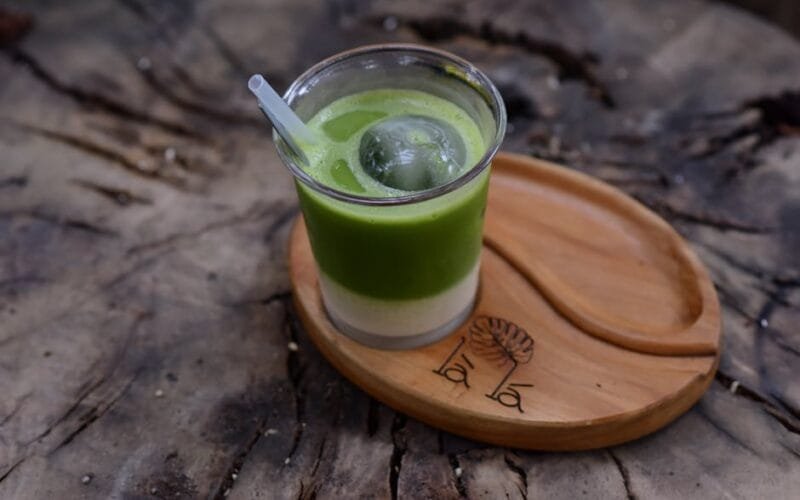
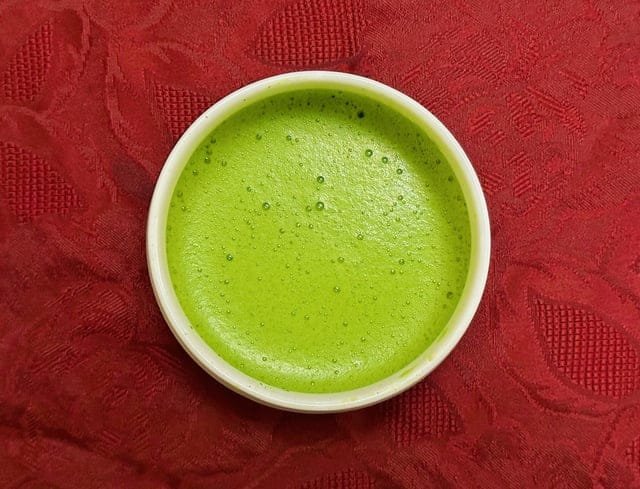
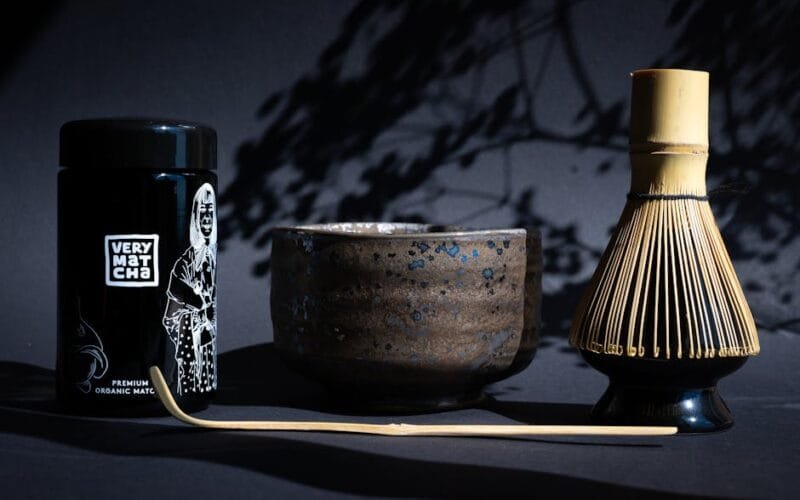
Time to spill: Matcha’s global rise has hit a snag—and hojicha is stepping in. The vibrant green powder once confined to Japanese tea ceremonies now dominates café menus, but its meteoric growth has strained supply chains. Japan’s matcha producers, already stretched thin by climate shifts and labor shortages, are struggling to meet demand. Enter hojicha: a roasted, low-caffeine tea with nutty warmth and a cult following that’s growing fast. It’s not just a substitute—it’s a redefinition of what tea can be. The real story here isn’t about competition—it’s about choice. Matcha’s intensity, with its grassy umami and vivid hue, appeals…
Read More
The Low-Caffeine Tea Stealing Café Spotlight

The Low-Caffeine Tea Stealing Café Spotlight

Remember when matcha was the green tea everyone was obsessed with? Now, a new player is quietly taking over café menus: hojicha. This roasted Japanese tea, with its nutty aroma and low caffeine content, is becoming the go-to afternoon drink for those seeking a calming pick-me-up without the jitters. Unlike matcha’s intense umami, hojicha offers a subtler, smoky warmth that’s perfect for sipping as the sun sets. But what makes this ancient tea so irresistible today? Hojicha’s rise isn’t accidental. Originating in Kyoto in the 1920s, it was once a way to repurpose leftover tea leaves from mechanical harvests. Roasted…
Read More
Tea’s Secret to Slowing Biological Aging Revealed

Tea’s Secret to Slowing Biological Aging Revealed

The verdict is in: Your daily cup of tea might be more than just a ritual. A groundbreaking study reveals that regular tea consumption could be quietly rewiring your biology to fight aging. Researchers from Sichuan University tracked 13,929 participants across the UK and China, uncovering a striking pattern—those sipping tea daily showed measurable signs of slower biological aging. The magic number? Three cups a day, or six to eight grams of leaves. But here’s the twist: stopping the habit might undo those benefits. The science hinges on polyphenols, the powerhouse compounds in tea. These antioxidants don’t just neutralize free…
Read More