Coffee Facts

Expert guides on coffee brewing, roasting, beans, and equipment. Master your coffee journey with in-depth articles.

The First Roast That Changed Everything

The First Roast That Changed Everything

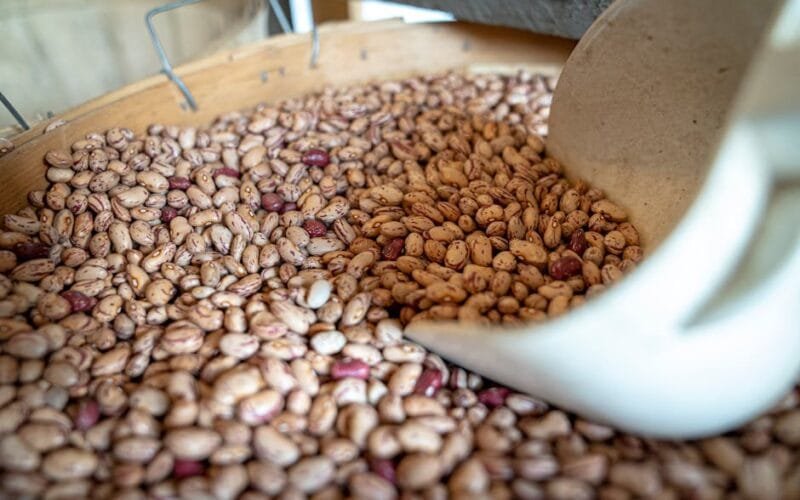
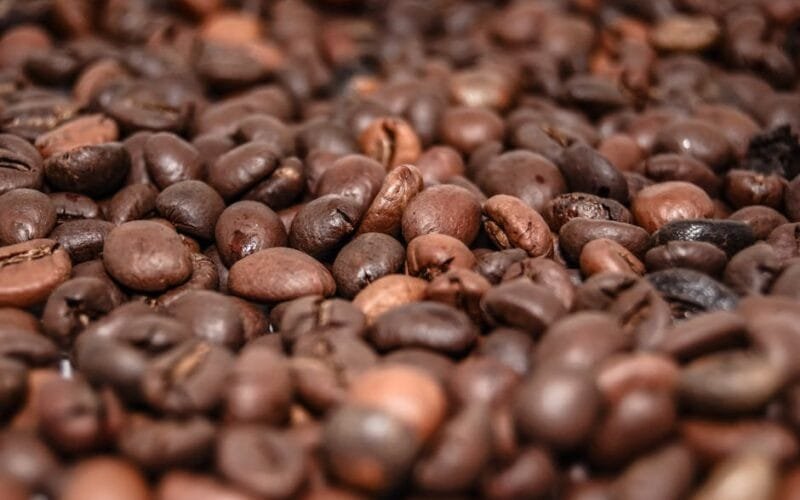
This is worth savoring: a single cup of coffee that made you question everything you thought you knew about the drink. Roasting your own beans is less about perfection and more about discovery—raw, unfiltered, and occasionally chaotic. My first attempt? A steel saucepan on a gas stove, 17 grams of beans (6% decaf, 11% regular) tossed together like a gamble. The crackling was louder than a thunderstorm, and three beans launched themselves into the air like tiny rebels. Smoke alarm? Check. Windows wide open? Check. It was a sensory overload, but the result? A cup that tasted like coffee—real coffee,…

Read More
A Roaster’s Secret Blend: Will You Try the Unlikely Coffee Experiment?

A Roaster’s Secret Blend: Will You Try the Unlikely Coffee Experiment?

Real talk: Coffee roasters live by the mantra “less is more,” but this year’s supply chain chaos has flipped the script. A US-based roaster is stuck with a mountain of green coffee samples—twice the usual amount, spanning origins from Sumatra to India. Organic, yes, but the sheer volume has turned into a logistical puzzle. The plan? Wait until they’ve amassed 20-30lbs of samples from multiple regions, then roast them as a single pre-roast blend. It’s a gamble, a collision of flavors that’ll likely taste like a science experiment gone wild. The idea? To create something rare and fleeting. Blending Sumatra’s…
Read More
Decaf Coffee Stales Faster—Here’s Why It Matters

Decaf Coffee Stales Faster—Here’s Why It Matters

Here's what you need to know: Decaf coffee doesn’t just lack caffeine—it stales faster than its caffeinated counterparts. The process of removing caffeine from beans alters their structure, making them more vulnerable to oxidation and moisture loss. Even when sourced from the same roaster and roast level, decaf beans often lose their vibrancy quicker, leaving drinkers with a flat, lifeless cup. This isn’t just about perception; it’s a chemical reality. The ethyl acetate used in decaffeination, for instance, can strip away some of the beans’ natural oils, accelerating the staling process. The difference in grind size isn’t coincidence either. Decaf…
Read More
Mastering Even Extraction: Fixing the Breville Bambino’s Spray Problem

Mastering Even Extraction: Fixing the Breville Bambino’s Spray Problem

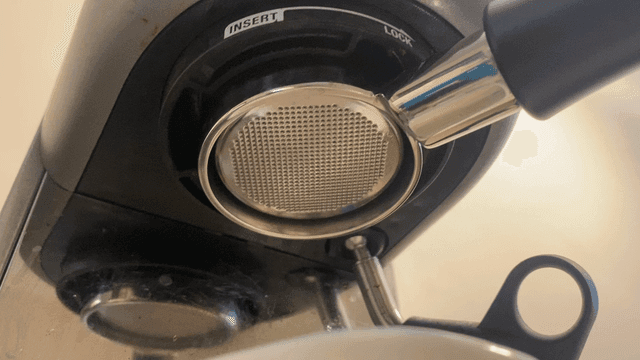
This might just change your routine: Your Breville Bambino’s espresso isn’t extracting evenly, and the spray is driving you nuts. You’re not alone—many baristas and home users struggle with the same issue, but the solution lies in refining your approach to puck preparation, grind size, and tamping. The problem isn’t just about pressure or water flow; it’s about how the coffee interacts with the portafilter. If your shots are pooling in certain areas and leaving others dry, the root cause is likely a mismatch between your grind, tamping technique, and the puck’s structure. Start by scrutinizing your puck. A poorly…
Read More
Tiny Kitchen, Big Espresso Dreams: A Space-Saving Solution

Tiny Kitchen, Big Espresso Dreams: A Space-Saving Solution

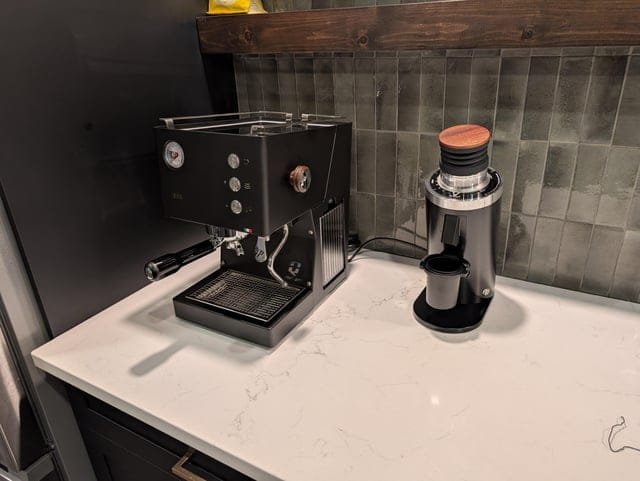
If you’ve ever dreamed of pulling a shot but your kitchen feels like a maze of stacked appliances, you’re not alone. Imagine this: two years of perfecting pour-over, a grinder that’s already earned its keep, and a longing to taste espresso’s complexity—only to realize your space is smaller than a Nespresso capsule. The question isn’t just about machinery; it’s about redefining what “proper” means when room is a luxury. The MHW3Bomber, priced like a full-sized machine, promises espresso quality in a compact form. But does it deliver? Its design leans into pressure and precision, yet the trade-off is a learning…
Read More
The Coffee Setup That Just Got Better

The Coffee Setup That Just Got Better

This might just change your routine: Your first espresso shots are over-extracted, but that’s a sign you’re on the right track. The initial flush of bitterness isn’t a failure—it’s a roadmap. Think of it as the coffee world’s version of a first draft. The user’s setup, a mid-range machine with a grinder they’re thrilled about, is the perfect starting point. The problem? Shots that are too fine and over-extracted. That’s a common rookie move, but it’s also a golden opportunity to recalibrate. Grind size is your first lever. If your shots are too fine, you’re forcing water through coffee too…
Read More
The Final Upgrade: When Coffee Gear Stops Asking for More

The Final Upgrade: When Coffee Gear Stops Asking for More

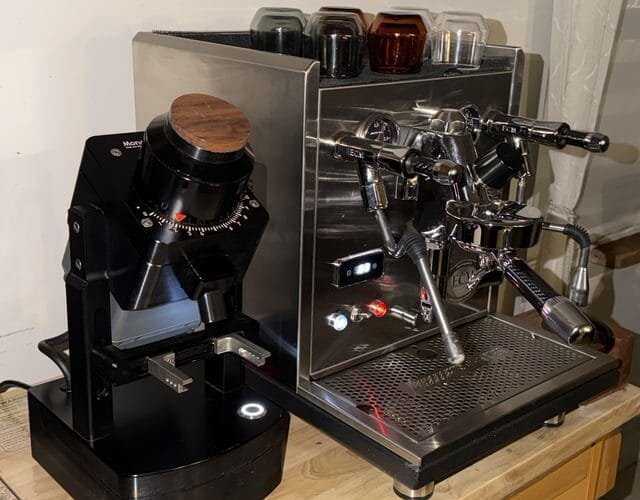
Coffee lovers, wine enthusiasts, tea devotees—your gear is finally catching up. For years, I chased the next upgrade, convinced that better tools would unlock perfect extraction. The Profitec 500, the Timemore 078S, each came with a whisper of doubt: Could this be enough? Then I landed the Monolith Max on eBay for a steal. No more questions. The shot quality? Uncompromised. The workflow? Effortless. For the first time, I’m not scanning listings for “better” options. This isn’t about specs—it’s about stopping the chase. The upgrade journey often ends in buyer’s remorse, but sometimes it finds its finish line. The Monolith…
Read More
How do Japanese coffee shops master the art of precision with fewer grinders?

How do Japanese coffee shops master the art of precision with fewer grinders?

There’s something brewing in Japan that doesn’t align with the usual coffee shop playbook. While US shops often rely on dedicated grinders for each bean to dial in freshness, Japanese cafes pull off the same level of precision with fewer tools. The result? Coffee that feels almost engineered—clean, balanced, and impossibly crisp. How do they do it without the clutter of multiple grinders? The answer lies in a blend of technology, training, and a mindset that prioritizes consistency over complexity. At the heart of this equation is the single-dose grinder. These machines, often equipped with digital scales and precise motor…
Read More
Mastering the Brew: Choosing Your Coffee Method

Mastering the Brew: Choosing Your Coffee Method

If you're diving into the world of specialty coffee, you’re standing at the crossroads of ritual and science. You’ve got a decent grinder under your belt, and now the question is: how do you turn that into a better cup? French press and pour over are the most common entry points, but the real trick is knowing which fits your goals. The French press is a brute-force method that extracts bold flavors, while pour over demands precision and patience. Both can yield greatness—but only if you pick the right tools. Start with the French press. A good one isn’t just…
Read More
Can Mixing Extraction Methods Create the Perfect Coffee Blend?

Can Mixing Extraction Methods Create the Perfect Coffee Blend?

Get ready to rethink your cup: What if the secret to a flawless coffee drink isn’t in the beans, but in how you extract them? The idea of blending extraction methods—like pairing a Vietnamese Phin shot with cold brew—isn’t just a gimmick. It’s a bold experiment that challenges the boundaries of tradition. While roasters obsess over bean blends and cafés tout their pour-over techniques, few dare to mix extraction styles in a single cup. Yet, as one brewer discovered, combining a slow-drip Phin shot with a chilled cold brew yields a layered, almost paradoxical flavor profile: the bitterness of the…
Read More