⏱ 2 min read
The Short Version
Forget the heavy, expensive Cabernet clichés: Bordeaux is undergoing a radical identity shift toward crisp whites and vibrant, light-bodied reds. From Sauternes in modern cocktails to sustainable, aromatic blends, the region is trading sheer power for effortless drinkability.
In This Article
Real talk: if you still view Bordeaux solely through the lens of dense, expensive Cabernet Sauvignon, you are missing the actual story unfolding in the vineyards. The region is undergoing a massive identity shift to meet a global trend toward lighter, fresher drinking. From high-end mixology to vibrant, low-intervention reds, the old clichés are being replaced by deftness and diversity.
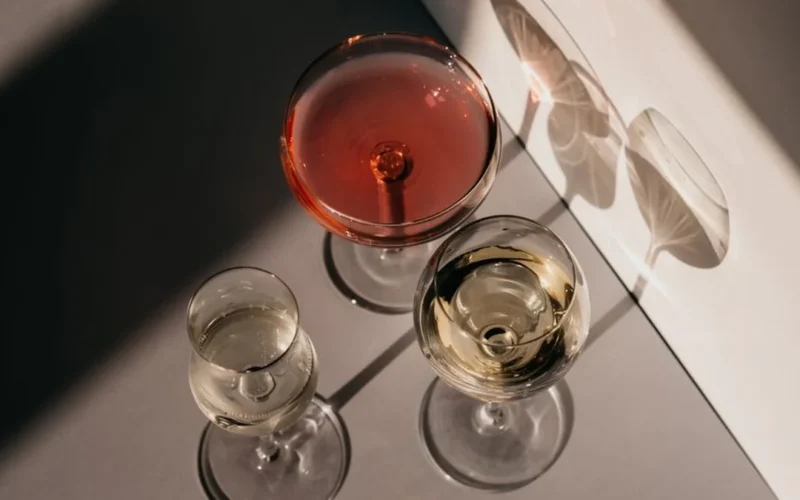
The demand for Sauternes in cocktails comes from consumers and a new wave of mixologists who are not afraid to shake up traditional Sauternes consumption.
A pivot toward white and sweet
While red grapes dominate the landscape, white wine is emerging as a primary commercial engine. Producers are moving beyond the traditional margins to embrace crisp, fruit-driven styles that cater to a changing palate. At Château Clarke, Baron Edmond de Rothschild revived the Médoc’s rare tradition of white winemaking, producing an allocated cuvée that demand currently outstrips supply. This isn’t just about niche enthusiasts; it’s a strategic expansion into more versatile categories. Even the legendary sweet wines are finding new life outside the dessert course. Estates like Château d’Arche are tapping into the cocktail craze, proving that Sauternes belongs on a modern bar menu rather than just at the end of a heavy meal. The demand for Sauternes in cocktails comes from consumers and a new wave of mixologists who are not afraid to shake up traditional Sauternes consumption. By repositioning these wines for aperitifs or spicy cuisine, producers are unlocking entirely new drinking occasions.
Redefining the claret profile
The revolution extends back to the reds, where a new generation is championing vibrancy over sheer power. The Sichel brothers are leading this charge, with Alexander Sichel introducing lighter, aromatic styles like Ocha that find homes in high-end urban restaurants. These wines prioritize short maceration and whole-bunch fermentation to achieve an effortless drinkability that feels contemporary rather than stuffy. This shift is underpinned by a massive commitment to sustainability, with over 75% of vineyards now under environmental certification. Whether it is using sheep to combat frost at Château Clarke or implementing biodynamic practices to protect soil health, the region is adapting to climate change through radical innovation. Bordeaux is no longer just sitting on its heritage; it is actively rewriting its future. Do you prefer the classic weight of old-school Bordeaux or the newer, lighter styles?
Questions & Answers
Why is the reputation of Bordeaux wine changing?
Bordeaux is undergoing an identity shift to align with a global trend toward lighter, fresher drinking styles. Instead of focusing solely on dense and expensive Cabernet Sauvignon, the region is embracing diversity through vibrant reds and crisp whites. This evolution allows producers to move beyond old clichés and meet modern consumer preferences for effortless drinkability. By prioritizing fruit-driven profiles and versatility, Bordeaux is transitioning from a reputation of heavy tradition to one of contemporary elegance and stylistic variety.
How are producers using sweet wines like Sauternes in new ways?
Producers are repositioning sweet wines like Sauternes to be used in cocktails and as aperitifs rather than just dessert wines. This strategic shift caters to a modern cocktail craze and a new wave of mixologists who want to use these wines in versatile ways. By pairing these sweet styles with spicy cuisine or incorporating them into bar menus, estates like Château d’Arche are unlocking entirely new drinking occasions that extend far beyond the traditional end-of-meal course.
What methods are being used to create lighter red wines in Bordeaux?
Winemakers are utilizing short maceration and whole-bunch fermentation to achieve more aromatic and vibrant red wine profiles. These techniques prioritize effortless drinkability and lightness over the sheer power and weight associated with traditional claret. For example, Alexander Sichel is leading this movement by introducing styles like Ocha, which are specifically designed for high-end urban restaurant settings. This approach helps redefine the classic Bordeaux profile to feel more contemporary and less stuffy for modern drinkers.
How is the Bordeaux wine region addressing environmental sustainability?
The Bordeaux region is implementing radical innovations and sustainable practices, with over 75% of its vineyards now holding environmental certification. Producers are adapting to climate change by using methods such as biodynamic farming to protect soil health. Some estates even use unconventional techniques like employing sheep to combat frost in the vineyards. These commitments to sustainability show that the region is actively rewriting its future by integrating ecological protection directly into its long-standing winemaking heritage.
Originally reported by The Drinks Business.