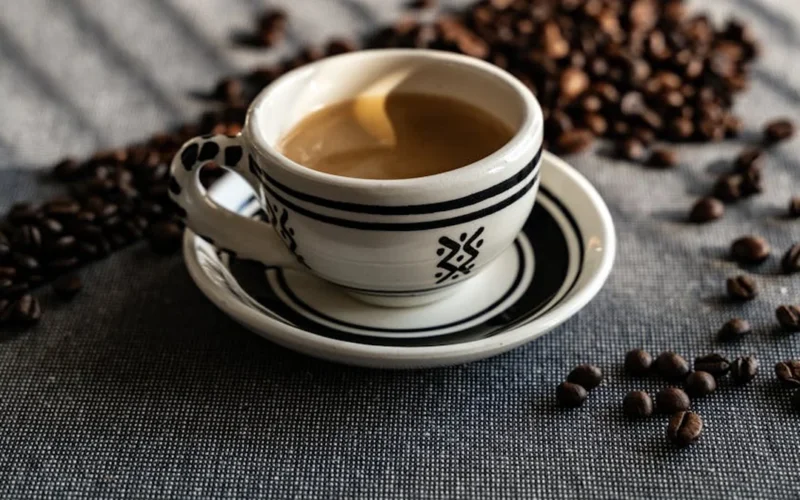
In Türkiye, coffee is both a sacred tradition and a canvas for innovation. Defne Ceyda Okay redefines the craft by blending reverence for heritage with bold experimentation.
Decaf now costs as much as regular coffee, driven by a closed Colombian plant and a chemical ban forcing costly alternatives. A fragile supply chain, strained by regulation and disruption, is reshaping how coffee is made—and who pays the price.
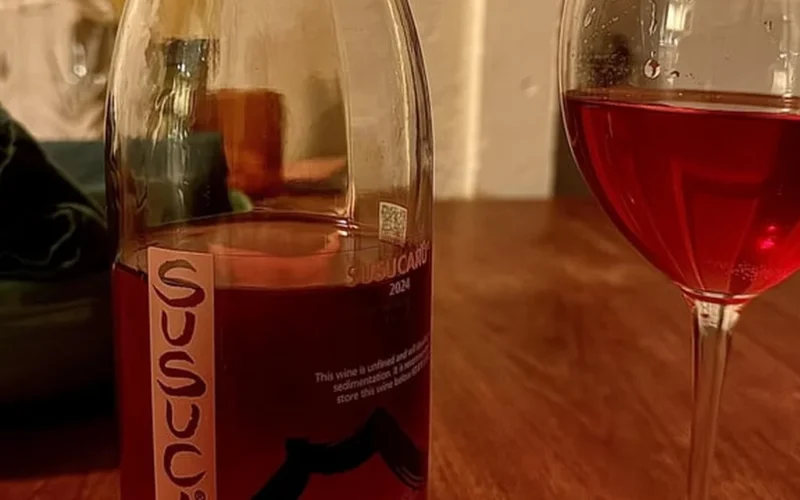
The first sip of Susucaru collides with barnyard, balsamic, and blood orange in a primal, precise storm. Its raw, animalistic edge balances ripe fruit and tension, hinting at a wine that thrives on unresolved conflict.
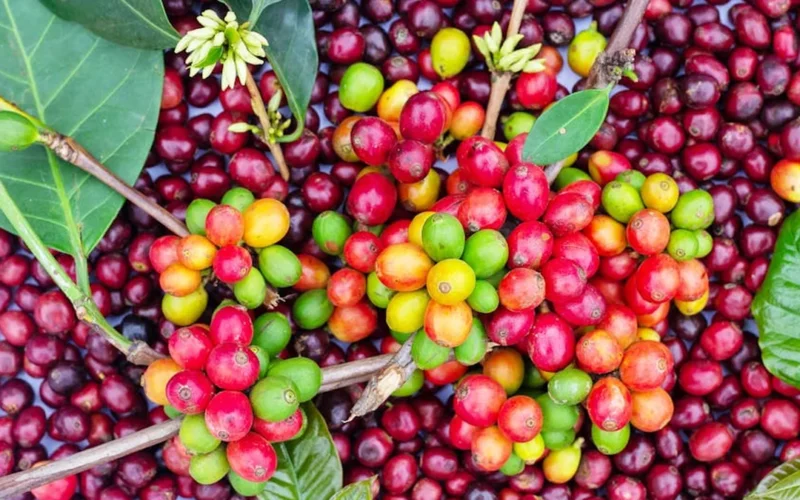
Co-fermented coffees, once a niche experiment, now dominate roasters’ shelves with bold, fruit-forward profiles. Their rise reflects a shift toward complexity, as markets crave flavors that traditional methods can’t replicate.
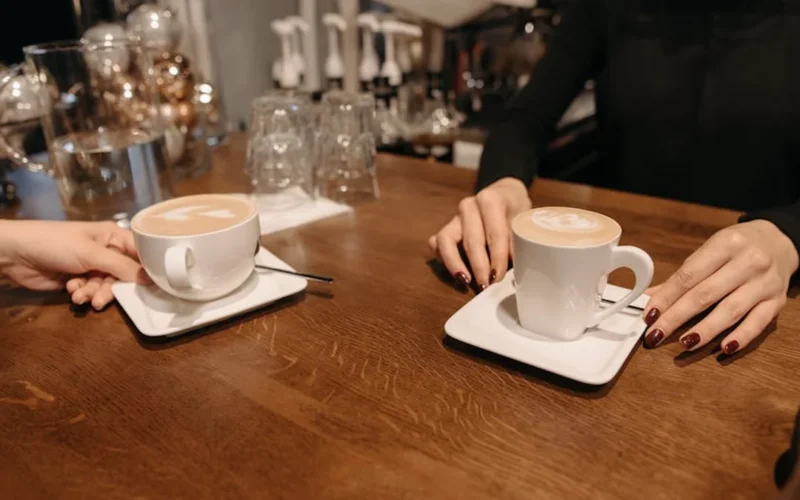
Germany’s Izolda Zogranian and Max Hook won the Barista League’s Prague event by turning coffee into a café conversation, not a technical showcase. Their win redefined competition as a chance to build trust and connect, not just win.
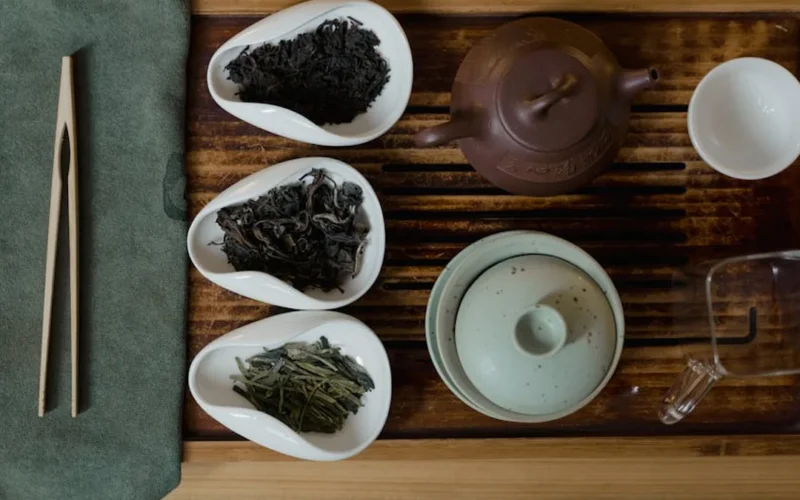
A 2025 Da Sun Shan single tree raw puer defies boldness with a quiet, meditative sip of milky sweetness and faint bitterness. Its evolution across steeps reveals layers of hay, oatmeal, and crisp veggies, culminating in a creamy, lingering embrace of subtlety.
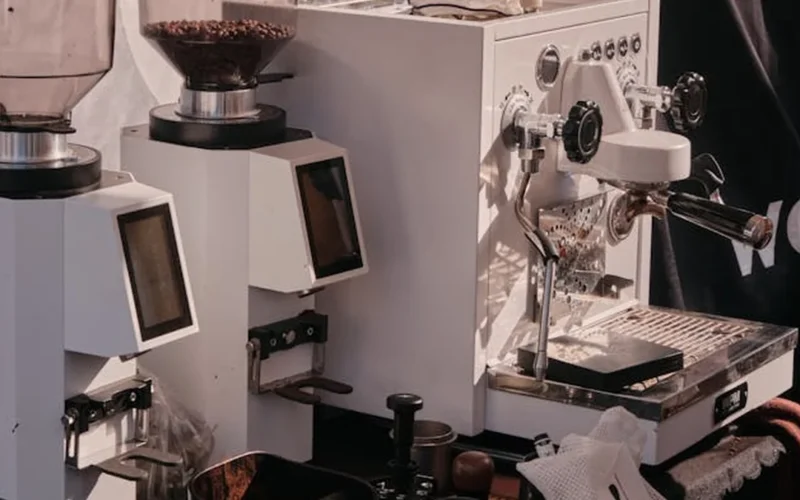
A 30-kilogram hopper and 120-millimeter burrs power the Redwood Grinder, designed to integrate seamlessly into assembly lines. It’s the pickup truck of grinders—speed, precision, and endurance redefined for industrial coffee production.
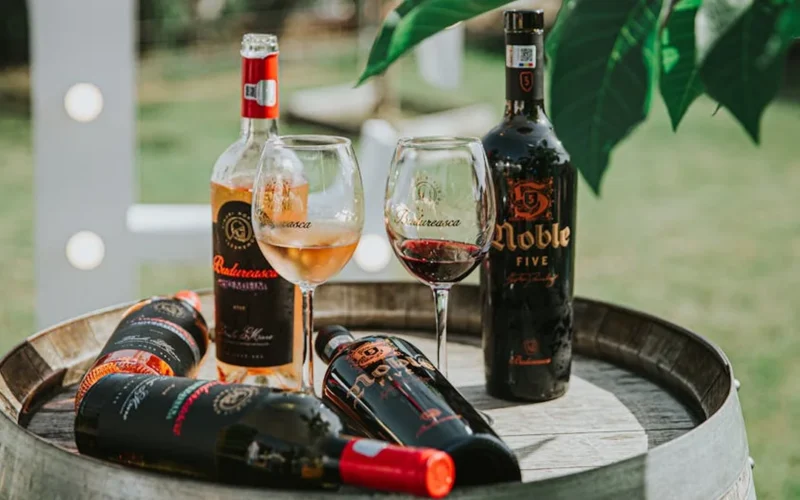
Mosse’s Combo and Jugosa blend Syrah’s boldness with Muscat’s floral brightness, creating wines that are both structured and refreshingly light. These hybrids prove Muscat isn’t just a sweetener—it’s a transformative force in redefining Syrah’s future.
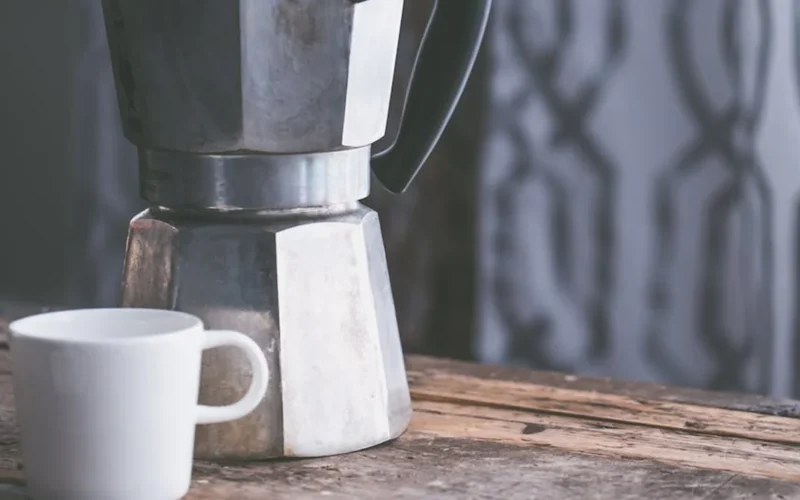
Moka pots brew a rich, espresso-like coffee with a clean, intense profile, creating a flat white that feels deliberate rather than rushed. Their slow brewing ritual naturally slows gameplay, turning coffee into a thoughtful counterpoint to the energy of board games.
A single cup of home-brewed coffee can pack up to 200mg of caffeine—double Starbucks’ standard serving. The secret lies in over-extraction and neglecting dilution, turning your brew into a caffeine powerhouse.