
⏱ 2 min read
The Short Version
Defying forty-five years of age, this 1979 Cabrieres Chateauneuf du Pape reveals a surprisingly vibrant core of cherry and raspberry after breathing. It’s a masterclass in cellar management, trading expected oxidation for a sophisticated balance of bright fruit and savory, earthy depth.
In This Article
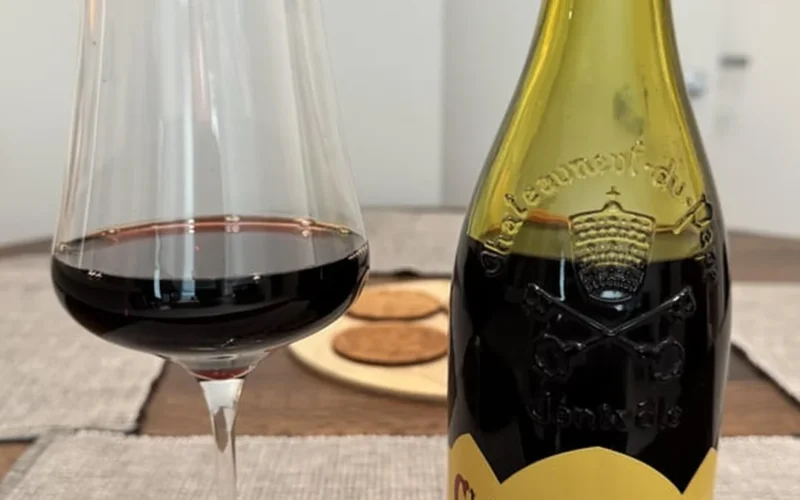
The 1979 Cabrieres Chateauneuf du Pape arrived via a K&L library release, having undergone the necessary rituals of preservation: topped off, relabeled, and recorked. Decanting became an immediate requirement rather than a suggestion. Upon the first pour, the wine presented a tight, disciplined profile defined by leather and Provençal herbs that mirrored its initial movement across the palate.
After two hours in the decanter had opened up with notable red fruit accompanying the garrigue on the nose.
Evolution through aeration
Time in the decanter proved essential for unlocking the bottle’s latent character. After two hours of breathing, the structure shifted significantly, shedding its initial austerity to reveal a more expressive core of red fruit. Notes of cherry and dried raspberry began to emerge, providing a bright counterpoint to the persistent garrigue on the nose. This transition highlighted how much the wine relied on oxygen to bridge the gap between its aged components and its fruit-driven potential.
After two hours in the decanter had opened up with notable red fruit accompanying the garrigue on the nose. This development suggests that while the age is evident, it has not resulted in the total oxidation one might expect from a forty-five-year-old vintage. Instead, the wine moved toward a well-rounded state where the primary flavors could finally interact without friction.
Savory depth and value
As the tasting progressed, the focus shifted from the brighter fruit notes toward a deeper, more complex finish. The palate settled into a heavy sense of earthiness, punctuated by savory and gamey elements that provided a sophisticated conclusion to each sip. It was a profile that felt grounded, leaning into the classic characteristics expected of high-quality Rhône wines while maintaining enough acidity to keep the fruit relevant.
At a price point of approximately $125, the experience offered an unexpected level of enjoyment for such an old vintage. I was pleasantly surprised by the fruit considering the age. Finding this level of vibrancy in a library release underscores the importance of proper cellar management and the ability of certain older wines to defy their chronological expectations through careful reconditioning.
Do you prefer your aged wines to lean into earthy complexity or do you look for surprising traces of fruit?
Questions & Answers
How does the 1979 Cabrieres Chateauneuf du Pape change after decanting?
The wine undergoes a significant structural shift after breathing in a decanter for approximately two hours. Initially, the vintage presents a tight and disciplined profile defined by leather and Provençal herbs. Once aerated, the wine sheds its initial austerity to reveal an expressive core of red fruit, including notes of cherry and dried raspberry. This oxygenation process helps bridge the gap between the aged components and the wine's latent fruit-driven potential, creating a more well-rounded tasting experience.
What are the primary flavor notes found in this vintage of Chateauneuf du Pape?
The flavor profile of this wine features a complex blend of savory, earthy, and fruit-driven notes. Early tasting reveals aromas of leather and garrigue, which are characteristic of the region. As the wine evolves, bright notes of cherry and dried raspberry emerge to provide a counterpoint to the savory elements. The finish is defined by a heavy sense of earthiness punctuated by gamey characteristics, offering a sophisticated and grounded palate typical of high-quality Rhône wines.
Why did the 1979 Cabrieres Chateauneuf du Pape require special preservation rituals?
This specific bottle required topping off, relabeling, and recorking because it arrived as a K&L library release. These rituals are necessary steps in the preservation process for older vintages to ensure the wine remains stable for consumption. Because the wine had undergone these reconditioning processes, immediate decanting became a requirement rather than a suggestion. Proper cellar management and careful reconditioning allow such aged wines to defy chronological expectations and maintain a surprising level of vibrancy.
What is the typical price and value of this aged library release?
The 1979 Cabrieres Chateauneuf du Pape is priced at approximately $125, offering an unexpected level of enjoyment for a forty-five-year-old vintage. This price point provides significant value because the wine retains a level of fruit vibrancy that many older wines lose to oxidation. The ability to find such a well-rounded profile at this cost underscores the importance of professional cellar management. It allows the consumer to experience a sophisticated, complex wine that remains relevant despite its significant age.
Originally reported by Reddit Wine.