Blog

The Gaiwan vs. Yixing Debate: Why Some Are Swapping Teapots for Teacups

The Gaiwan vs. Yixing Debate: Why Some Are Swapping Teapots for Teacups

Pour yourself a cup for this one: The age-old battle between gaiwan and yixing teapots isn’t just about aesthetics—it’s a clash of philosophy, practicality, and obsession with the perfect brew. For Puer enthusiasts, the yixing’s reputation as a heat-retaining powerhouse has long been gospel. But as prices climb and low-quality imitations flood the market, a growing number of tea lovers are trading their clay pots for the simplicity of a gaiwan. The question isn’t whether one is better—it’s whether the trade-offs justify the ritual. Yixing teapots are lauded for their ability to “bloom” Puer over time, with porous clay allegedly…
Read More
A Vintage Puerh’s Quiet Awakening

A Vintage Puerh’s Quiet Awakening

Let’s talk about the eerie dance between time and terroir. This 2005 Tulin Phoenix Special raw puerh isn’t just a tea—it’s a conversation with its past. The first sip is a jolt of old paper and diesel, a scent that lingers like a half-remembered memory. It’s not unpleasant, but it’s a warning: this tea hasn’t fully shaken off its storage history. The initial steepings are all flash and little substance, like a bookshelf of dusty tomes that only reveal their secrets after hours of patience. By the third steep, things start to shift. The old-paper note softens, giving way to…
Read More
Why Aged Sheng Pu’erh Feels Like a Mystery to Many

Why Aged Sheng Pu’erh Feels Like a Mystery to Many

Here’s something to stir your curiosity: The same pu'erh that dazzles in its youth can feel like a riddle in its maturity. For most drinkers, young sheng is a revelation—bright, floral, and alive with citrus and stone fruit notes. But aged sheng? It’s a different beast, one that lingers in the background of many palates. If you’ve ever wondered why some folks swear by the aged stuff while others can’t stand it, you’re not alone. The divide starts with oxidation. Young sheng is like a just-bloomed flower—its flavors are sharp, vibrant, and full of potential. Over time, oxidation transforms it.…
Read More
How to Bring Your Vintage Silver Tea Set Back to Life

How to Bring Your Vintage Silver Tea Set Back to Life

Pour yourself a cup for this one: Your vintage silver tea set isn’t just a relic—it’s a conversation starter, a family heirloom, and a canvas for your care. But if it’s gathering dust in storage, you’re missing out on its potential. Restoring silver isn’t about making it “perfect” but breathing new life into its patina. The key? Treat it like the delicate artifact it is, and avoid the shortcuts that ruin more than they revive. Start by assessing what you’ve got. The user’s set has minor exterior spots but no internal corrosion, which is a rare find. That means you’re…
Read More
The Secret Behind High-End Tea Prices and How to Brew Like a Pro (Without the Hassle)

The Secret Behind High-End Tea Prices and How to Brew Like a Pro (Without the Hassle)

The verdict is in: tea isn’t just a drink—it’s a story written in soil, climate, and craftsmanship. When you pay €15 for 100g of jasmine green tea versus €2 for a supermarket bag, you’re not just buying leaves; you’re investing in precision. Kusmi’s premium offering likely benefits from controlled growing conditions, meticulous plucking, and post-harvest artistry. Supermarkets sell bulk teas that prioritize volume over nuance, often sacrificing flavor for cost. The price gap isn’t arbitrary—it’s a reflection of terroir, labor, and the alchemy of tea processing. But here’s the twist: quality doesn’t always mean complexity. Asian supermarkets thrive on accessibility,…
Read More
The Convenience of a Teabag: Why Simplicity Wins in the Office

The Convenience of a Teabag: Why Simplicity Wins in the Office

Here’s something to stir your curiosity: In a world of elaborate tea rituals, the humble teabag is quietly revolutionizing the way we sip. While Gongfu ceremonies demand precision and patience, the office isn’t always a place for slow, methodical pours. A corn fiber teabag cuts through the chaos—no messy leaves, no awkward spills, just a quick dunk and a satisfying cup. Today’s focus? Osmanthus Black Tea, a hybrid that marries the smoky depth of black tea with the floral sweetness of osmanthus. It’s the kind of blend that thrives in a teabag, where flavors unfold without fuss. But convenience isn’t…
Read More
How to Keep Your Clay Teaware Odor-Free Without Sacrificing Space

How to Keep Your Clay Teaware Odor-Free Without Sacrificing Space

Clay teaware is a delicate investment—its porous nature breathes life into every brew but also invites trouble if storage isn’t intentional. For those with limited space, balancing accessibility and protection is a tightrope walk. Storing unglazed teapots in open cabinets or shelves risks absorbing lingering odors from cooking, whether it’s the smokiness of grilled meats or the tang of citrus-based sauces. Even with ventilation, these scents can cling to clay, transforming your prized teaware into a repository for last night’s dinner. The challenge isn’t just about preserving flavor—it’s about safeguarding the integrity of your tools. The problem lies in clay’s…
Read More
The Rarest White Tea: A First Taste of Silver-needle

The Rarest White Tea: A First Taste of Silver-needle

This is how you taste the rarest white tea—when you sip silver-needle, you’re sipping history. Harvested once or twice a year at dawn from mist-shrouded highlands in China, this tea is a fleeting luxury. Its price reflects not just scarcity but the labor of plucking tender buds by hand, a process that demands precision and patience. The user’s first encounter with it was a revelation: delicate, floral, and refined—a world apart from the familiar white teas they’d sipped before. Silver-needle, or Bai Mu Nian, is more than a name; it’s a testament to tradition. Grown in regions like Fujian or…
Read More
Beyond Bordeaux: Cold Climate Viticulture is Redefining Wine Destinations

Beyond Bordeaux: Cold Climate Viticulture is Redefining Wine Destinations

When you think of wine regions, your mind probably jumps to sun-drenched valleys and rolling hills. But the world’s wine map is shifting—literally. From Estonia’s Baltic shores to the UK’s northern counties, vineyards are thriving in colder climes, rewriting the rules of terroir and tradition. Climate change and hybrid grape varieties are driving this evolution, but the results are anything but ordinary. Estonia, once known for fruit-based wines, now hosts vineyards like Luscher & Matiesen Muhu Winehouse, one of the northernmost in the world. With just 2,000 vines, the estate crafts small-batch wines that capture the stark beauty of Nordic…
Read More
Bordeaux’s New Claret: A Climate-Driven Revival

Bordeaux’s New Claret: A Climate-Driven Revival

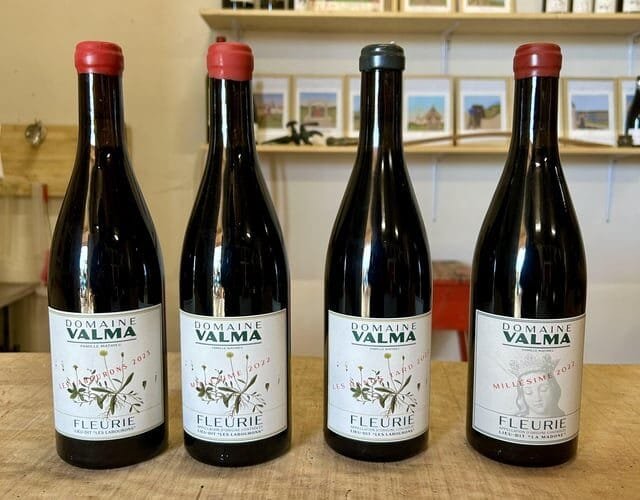
Bordeaux is rewriting its wine story. For centuries, the region defined itself by bold, oak-aged reds—now, it’s pivoting to a lighter, more approachable style with a name rooted in history: claret. This shift isn’t just a trend; it’s a survival strategy. As climate change reshapes vineyards and consumer tastes, Bordeaux’s winemakers are redefining what it means to be “claret,” blending tradition with necessity. The new classification, set to debut in 2’th vintage, marks a deliberate break from the heavy, tannic profiles that once dominated. These wines will be lighter, lower in alcohol, and designed to be enjoyed chilled—between 8 and…
Read More