⏱ 1 min read
The Short Version
Auckland’s "Tea for Harmony" salon merged ancient tea rituals with classical music, using silence and subtlety to bridge cultures. Tea and strings wove a shared language, transforming tradition into a seamless dialogue between East and West.
In This Article
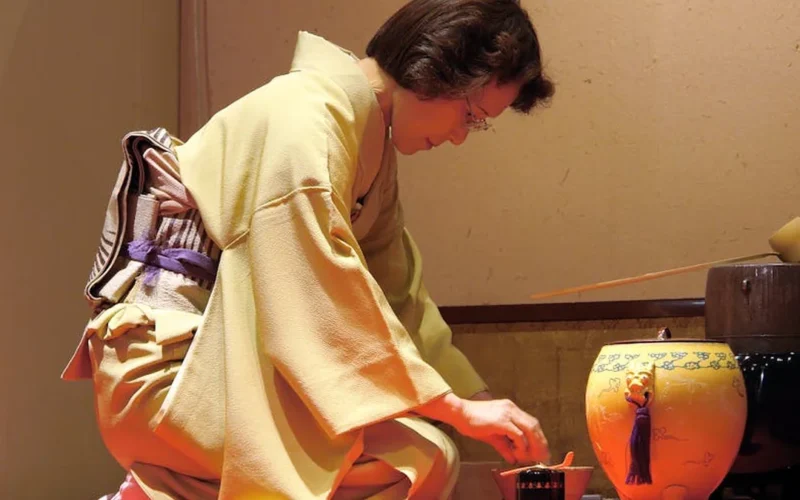
Auckland’s latest cultural experiment fused ancient tea rituals with Western classical music, creating a moment where tradition and modernity intertwined. The “Tea for Harmony” Yaji Cultural Salon unfolded as a seamless blend of sensory storytelling—tea tasting, meticulous preparation, and whispered histories—paired with the Amber Quartet’s resonant strings. This fusion wasn’t just performance; it was a deliberate act of cultural dialogue, rooted in Auckland’s unique position as a hub where East and West have long intersected with both tension and curiosity.
Tonight, it's cemented with the tea for harmony and peace. It is such a special moment.
Tea as a Silent Dialogue
The event’s innovation lay in its subtle approach: allowing tea to communicate without words. Each steeped leaf became a vessel for history, its aroma a coded message about terroir, time, and technique. The Amber Quartet’s movements mirrored this subtlety, their music weaving through the room like a shared language. “They were truly amazing,” Sharon Ann remarked, her praise underscoring how art can bridge divides without needing to shout.
The Bridge Between Cups and Strings
Consul Chen Shijie framed the evening as a deliberate act of cultural diplomacy, using tea as a “bond” and music as a bridge. Yet the true magic was in the unspoken understanding—the way a shared cup of tea, paired with a sonata, could dissolve borders. This fusion reflects broader trends in New Zealand’s multicultural identity, where diverse traditions are not just coexisting but actively shaping contemporary cultural diplomacy. Bob Harvey, former mayor of Waitakere, called it “a special moment,” one that cemented ties through the quiet elegance of tea for harmony. Tonight, it’s cemented with the tea for harmony and peace. It is such a special moment. What does this fusion say about cultural exchange today?
Questions & Answers
How did the Auckland salon blend tea rituals with classical music?
The Auckland salon merged ancient tea rituals with Western classical music through a sensory experience. Tea tasting and preparation were paired with the Amber Quartet’s strings, creating a seamless fusion of tradition and modernity. This blend used tea as a silent dialogue and music as a shared language to bridge cultural divides.
What role did tea play in the cultural exchange at the event?
Tea served as a silent dialogue, conveying history through aroma and taste. Each steeped leaf represented terroir, time, and technique, allowing tea to communicate without words. This subtle approach mirrored the Amber Quartet’s music, fostering a shared understanding between cultures.
Why is Auckland a significant location for this cultural fusion?
Auckland is significant because it is a hub where East and West have long intersected. The event reflects the city’s unique position in fostering cultural dialogue. This setting allowed for a seamless blend of traditions, demonstrating how diverse cultures can coexist and shape contemporary cultural diplomacy.
How does the event reflect broader cultural trends in New Zealand?
The event reflects New Zealand’s multicultural identity, where diverse traditions actively shape cultural diplomacy. By fusing tea rituals with classical music, it showcases how traditions are not just coexisting but influencing contemporary cultural practices, promoting harmony through shared experiences.
Originally reported by People's Daily Online.