⏱ 1 min read
The Short Version
Six Coffee + Wine uses shifting light and shell limestone to transform a Stalin-era building into a temporal journey through Almaty’s history. From morning caffeine to evening wine, the design evolves alongside the sun, blending yurt-inspired textures with custom stained glass.
In This Article
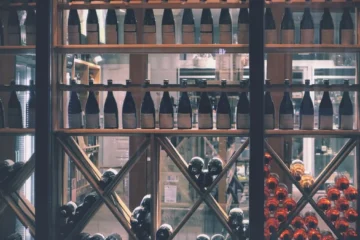
Six Coffee + Wine functions less like a static venue and more like a temporal journey through Almaty’s history. Located within a Stalin-era building in the city center, this 300-square-meter space by NAAW uses five interconnected rooms to guide patrons from the bright energy of morning coffee to the intimate dimness of evening wine.
This narrative unfolds across five interconnected halls, each embodying a distinct moment in the day through shifting palettes, lighting, and atmosphere.
Materiality and Memory
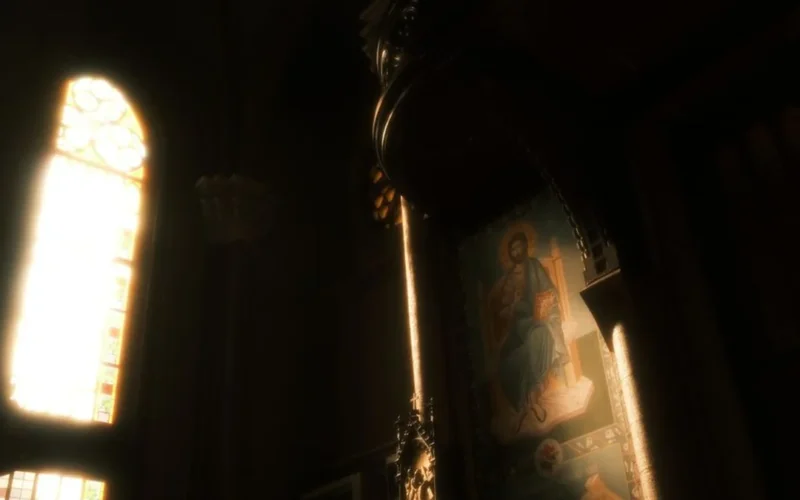
The design avoids superficial nostalgia, opting instead for a sophisticated reinterpretation of Almaty’s architectural DNA. The interior walls utilize shell limestone—a material synonymous with landmarks like the Arasan Baths—to ground the cafe in its specific geography. This sense of place is reinforced through custom stained glass created with artist Zhanel Shakhan. These elements feature decorative motifs inspired by local heritage and a subtle gradient that visually tracks the passage of time; look closely, and you will find stylized miniatures of the cafe’s own interior hidden within the glass. This narrative unfolds across five interconnected halls, each embodying a distinct moment in the day through shifting palettes, lighting, and atmosphere. By modulating light through custom shutters and colored glass, the architects ensure the atmosphere shifts as naturally as the sun.
A Curated Sensory Shift
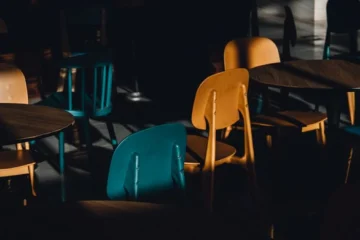
As guests move deeper into the floor plan, the materiality evolves alongside the lighting. Terrazzo flooring tinted to match the limestone gives way to richer marble inlays, while the bar counter serves as a sculptural anchor carved from undulating stone. Even the furniture choices bridge the gap between tradition and modernism; travertine tables pair with seating from Aq Objects that draws inspiration from yurt architecture, providing a tactile connection to Kazakh culture. Soft felt tapestries and warm pink tones define the morning zones, whereas the transition toward the kitchen utilizes specialized gradient panels to signal a change in mood. Through this meticulous layering of texture and light, NAAW has designed a space that moves in sync with the rhythm of the day.
Does the design of your favorite coffee shop change how you experience the drink itself?
Questions & Answers
How does the design of Six Coffee + Wine reflect Almaty's local heritage?
The interior design utilizes specific materials and motifs that connect the space to Almaty's architectural identity. Shell limestone is used on the walls to reference local landmarks like the Arasan Baths, grounding the venue in its unique geography. Additionally, custom stained glass created by artist Zhanel Shakhan features decorative patterns inspired by regional heritage. These elements combine with furniture from Aq Objects that draws inspiration from traditional yurt architecture to create a sophisticated reinterpretation of Kazakh culture.
What architectural features are used to change the atmosphere throughout the day?
The architects use a combination of five interconnected rooms, shifting light, and evolving materiality to modulate the atmosphere. Custom shutters and colored glass allow the lighting to transition naturally as the sun moves, guiding patrons from bright morning energy to evening intimacy. As guests move through the space, they experience different moods facilitated by specialized gradient panels and changing color palettes. This meticulous layering of texture and light ensures the environment moves in sync with the daily rhythm.
Why does the interior materiality change as guests move deeper into the venue?
The evolution of materials serves to signal a sensory shift and track the passage of time within the space. While the initial areas feature terrazzo flooring tinted to match the limestone walls, the material becomes more luxurious with richer marble inlays further inside. For example, the bar counter acts as a sculptural anchor carved from undulating stone. This progression from soft felt tapestries and warm pink tones to deeper textures helps guide the patron's transition from coffee to wine.
How is light manipulated within the Six Coffee + Wine interior?
Light is manipulated through custom stained glass, shutters, and gradient panels to create a temporal journey. The stained glass features a subtle gradient that visually tracks the passage of time while incorporating stylized miniatures of the cafe's interior. By modulating light through these specialized elements, the designers can shift the mood from bright morning settings to more intimate evening environments. This approach ensures that the visual atmosphere changes naturally alongside the movement of the sun throughout the day.
Originally reported by Daily Coffee News.