

⏱ 1 min read
The Short Version
Provence stands alone as the world’s only major wine region entirely dedicated to rosé, leveraging intense sunshine and Mistral winds to perfect its signature pale, precise style. It is a masterclass in terroir, where meticulous vinification meets a massive commitment to organic viticulture.
In This Article
This is worth savoring: when the heat rises, there is no substitute for a chilled glass of Provençal rosé. While other regions produce pink wine, Provence remains unique as the only major wine region on Earth entirely dedicated to the style. Across three protected appellations stretching from the Alps to the Mediterranean, 5,000 growers have spent decades perfecting a single identity that is pale, precise, and instantly recognizable.
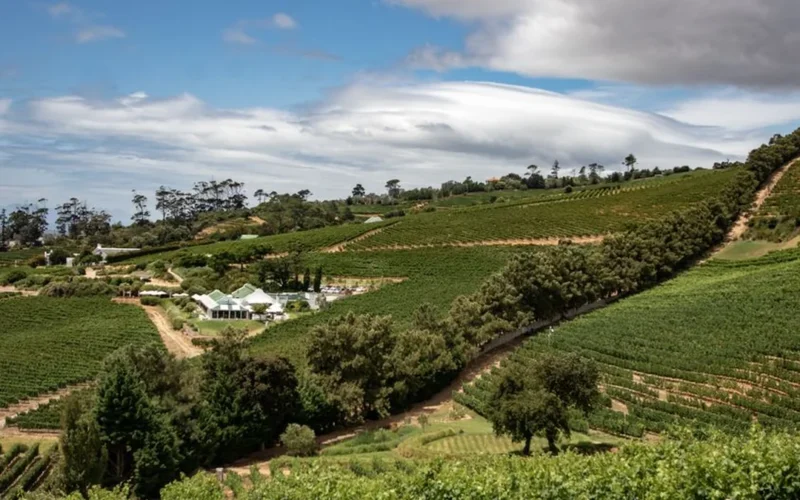
The Mistral wind sweeps the landscape to keep grapes dry and preserve crisp acidity.
The science of color and terroir
The signature salmon hue of these wines is never an accident; it is the result of meticulous technical choices. Through short maceration or direct press methods, winemakers extract enough pigment for aromatic depth without introducing heavy tannins. This delicate balance is supported by an extreme climate, averaging 3,000 hours of sunshine and minimal rainfall. Such intense environmental stress forces the vines to concentrate flavor within the fruit. The Mistral wind sweeps the landscape to keep grapes dry and preserve crisp acidity. This constant airflow reduces disease pressure and ensures the bright, mineral character that defines the region’s output.
A mosaic of expression
Despite its unified reputation, Provence offers surprising diversity through its varied soil compositions and grape blends. Whether navigating crystalline schist, limestone, or coastal sands, producers blend Grenache, Cinsault, Syrah, and Mourvèdre to create everything from floral delicates to rich, spiced profiles. This versatility extends to the dining table, where the wine’s high acidity makes it as suitable for sushi as it is for barbecue ribs or spicy Indian cuisine. Beyond the glass, the industry maintains a rigorous standard of quality, with 67 percent of vineyards currently organic or HVE certified. It is a rare example of a region where meticulous vinification meets strict ecological commitment.
Do you prefer your rosé bone-dry and pale, or do you lean toward richer, more fruit-forward styles?
Questions & Answers
Why is Provence considered the global leader in rosé production?
Provence dominates the global rosé standard because it is the only major wine region on Earth entirely dedicated to this specific style. Across three protected appellations, approximately 5,000 growers have spent decades perfecting a unified identity characterized by pale colors and precise flavors. This singular focus allows the region to maintain a highly recognizable brand that distinguishes its output from other pink wines produced in different parts of the world.
How do winemakers achieve the signature color of Provençal rosé?
Winemakers achieve the signature salmon hue of Provençal rosé through meticulous technical methods like short maceration or direct press techniques. These processes allow producers to extract enough pigment to provide aromatic depth without introducing heavy tannins into the wine. This careful balance ensures the final product remains delicate and light, which is a hallmark of the region's specific vinification style and its widely recognized aesthetic appeal.
What role does the climate play in the quality of Provence wine?
The intense climate of Provence plays a critical role by forcing grapevines to concentrate flavors within the fruit due to extreme environmental stress. The region receives an average of 3,000 hours of sunshine and experiences minimal rainfall throughout the year. Additionally, the Mistral wind sweeps across the landscape to keep grapes dry, which preserves crisp acidity and reduces disease pressure while ensuring a bright, mineral character in the wine.
What food pairings work best with Provence rosé?
Provence rosé is incredibly versatile for dining because its high acidity allows it to pair well with a wide range of flavors. The wine's profile makes it an excellent match for light options like sushi, but it is also robust enough to complement heavier dishes such as barbecue ribs. Furthermore, the crispness of the wine provides a refreshing contrast when served alongside spicy Indian cuisine, making it a highly adaptable choice for many meals.
Originally reported by VinePair.

[…] incredibly versatile for the table. Because it balances lush fruit with enough freshness to remain refreshing, it has become the ultimate glou-glou wine for warmer climates. By 2020, its vineyard acreage had […]