
⏱ 2 min read
The Short Version
Alice Anderson is ditching traditional management for a living ecosystem of sheep, ducks, and pollinators to breathe life back into Santa Barbara’s historic soil. By prioritizing regenerative viticulture over quick yields, she produces vibrant, high-toned wines that let the vineyard’s true character speak.
Alice Anderson’s path to the vineyard began not with a bottle, but with an agricultural curiosity sparked by her mother, Eileen. After realizing dairy science wasn’t her calling, Anderson followed her mother’s advice to shadow a wine industry client, a move that fundamentally redirected her career. A degree in viticulture and oenology led her through pivotal internships at Rippon in New Zealand—where she first encountered biodynamic estate models—and later as a caviste for Famille Pierre Gaillard in France’s Rhône Valley. Today, she applies those global lessons to the historic Ibarra-Young vineyard in Santa Barbara, the foundation of her label, Âmevive.
By putting in the extra work, not only does the land feel more energized, but because you are adding more life to a place, life starts to work with you.
Restoring Balance to the Soil
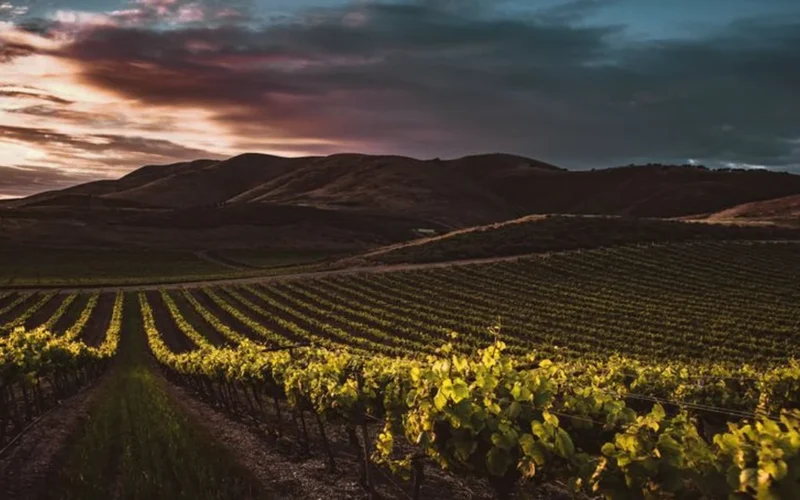
The vision for Âmevive crystallized when Anderson saw a Facebook ad featuring a 1970s Polaroid of Charlotte Young riding a mule across the vineyard. That image of the historic site—one of the first planted in the Santa Ynez Valley—inspired Anderson to lease the land in 2019 alongside partner Topher de Felice. While they were required to keep the site organic, Anderson pushed further into regenerative territory. To reinvigorate the soil, she implemented no-till practices and introduced a complex ecosystem of pollinators, hedgerows, sheep, ducklings, and chickens. By putting in the extra work, not only does the land feel more energized, but because you are adding more life to a place, life starts to work with you.
The result is a 10-acre site that feels alive rather than managed. While managing 20 total acres across the region requires immense grit, Anderson argues that laying this groundwork early reduces insect and disease pressure. The vines themselves reflect this health; the Ibarra-Young site features own-rooted varieties including Syrah, Mourvèdre, Marsanne, Tempranillo, and Graciano, all benefiting from a landscape that prioritizes long-term stability over quick yields.
Minimal Intervention in the Cellar
For Anderson, the heavy lifting happens in the field so the cellar can remain quiet. Having worked in cellars for many reputable wineries, she now approaches winemaking as an act of preservation. Her goal is to let the vineyard’s unique character dictate the final product through minimal intervention. This philosophy produces wines that defy the heavy, high-ABV stereotypes of the sunny Santa Ynez Valley. Instead, Âmevive offerings like the peppery Syrah or the ‘Sundrop’ blend (Roussanne, Marsanne, and Viognier) arrive vibrant and high-toned, defined by bright acidity and textural harmony.
Even the branding mirrors this connection to the earth, featuring watercolors painted by her mother that depict the owls, bees, and wildflowers essential to the farm’s success. Through Instagram, Anderson shares the unvarnished reality of tending her sheep and weeding rows, offering a direct look at the labor behind her joyful, lively wines.
How much does knowing a wine’s agricultural method influence your decision to pull a bottle from the shelf?
Questions & Answers
What is regenerative viticulture at Âmevive?
Regenerative viticulture at Âmevive involves using specific agricultural practices to reinvigorate soil health and create a living ecosystem. Alice Anderson implements no-till methods and introduces diverse pollinators, hedgerows, sheep, ducklings, and chickens to the vineyard. This approach moves beyond standard organic requirements to foster a landscape that feels energized and alive. By prioritizing long-term ecological stability over quick yields, these methods help reduce insect and disease pressure on the vines naturally.
How does Alice Anderson approach the winemaking process?
Alice Anderson approaches winemaking as an act of preservation through a philosophy of minimal intervention. She believes that performing the heavy lifting in the field allows the cellar work to remain quiet and focused on the fruit. By letting the unique character of the vineyard dictate the final product, she avoids heavy, high-alcohol styles. This results in vibrant, high-toned wines, such as her peppery Syrah, which are defined by bright acidity and textural harmony.
What grape varieties are grown at the Ibarra-Young vineyard?
The Ibarra-Young vineyard features several own-rooted varieties that benefit from the site's healthy, regenerative landscape. These include Syrah, Mourvèdre, Marsanne, Tempranillo, and Graciano. These specific varieties are chosen to thrive within the stable ecosystem Anderson has built. The diverse plantings contribute to the unique character of the Âmevive label, allowing the wines to express the specific terroir of the Santa Ynez Valley without excessive cellar intervention.
Why does Alice Anderson use watercolors in her branding?
Alice Anderson uses watercolors in her branding to mirror the deep connection between her wines and the earth. These illustrations are painted by her mother and depict the essential elements of the farm's success, such as owls, bees, and wildflowers. This artistic choice highlights the biodiversity required for a healthy vineyard. The branding serves as a visual representation of the complex ecosystem that supports the vines and produces her lively, joyful wines.
Originally reported by VinePair.