

⏱ 2 min read
The Short Version
Treating Long Island as one wine destination is a strategic error that ignores its dual identities. While the Hamptons delivers polished, lifestyle-driven rosé and sophisticated blends, the North Fork offers a deeper, more technical journey through organic whites and complex Merlots.
In This Article
Treating Long Island as a single wine destination is a strategic error. While both the Hamptons and the North Fork share a maritime climate, they represent two entirely different experiences for the palate and the itinerary. To treat them as one continuous trail is to turn an elegant getaway into a grueling study of Route 25.
A flight is a sampler, not a dare.
The South Fork aesthetic
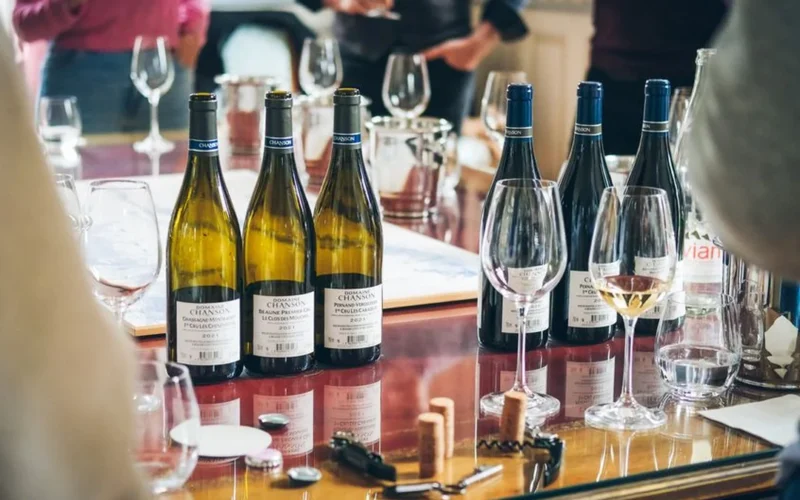
The Hamptons offers a compact constellation of estates concentrated around Bridgehampton, Sagaponack, and Water Mill. This region excels at polished, lifestyle-driven viticulture. You might start at Wölffer’s Wine Stand, where the Summer in a Bottle rosé has become the unofficial house flag of the area—a dry, pale blend designed for immediate consumption at sunset. For those seeking more technical depth, Channing Daughters defies local expectations by working with diverse varieties like tocai friulano and skin-contact pinot grigio. A flight is a sampler, not a dare. Moving toward Water Mill, Sagaponack provides a more formal setting with sophisticated Cabernet Franc, while Duck Walk offers a relaxed finish with unique signatures like blueberry port.
A deep dive on the North Fork
Long Island wine began with a wager. In 1973, Alex and Louisa Hargrave planted the first commercial vineyard in Cutchogue, betting that the same East End climate responsible for potatoes and hydrangeas could also ripen European grapes. Today, that bet has yielded a true vineyard belt stretching from Aquebogue toward Greenport. Paumanok remains a cornerstone here, having built a reputation on Chenin Blanc long before the grape achieved modern trend status. Further east, Macari applies organic and biodynamic principles to produce standout Sauvignon Blanc, offering a level of complexity that requires a slow, intentional tasting.
As you move deeper into Cutchogue, Bedell Cellars demonstrates the region’s command over Merlot-led blends, while Lenz Winery provides a rare look at how Long Island wines age through their library vintages. To end the journey, Sparkling Pointe delivers disciplined, estate-grown bubbles made via the traditional method, and Kontokosta offers a dramatic setting atop bluffs overlooking the Sound. The key takeaway for any traveler is simple: avoid the urge to rush. Remember that a proper lunch will improve your perception of the later wines far more than heroic commitment to the first glass.
Questions & Answers
What are the primary differences between the Hamptons and North Fork wine regions?
The Hamptons and North Fork represent two distinct viticultural experiences despite sharing a similar maritime climate. The South Fork offers a compact collection of lifestyle-driven estates concentrated around areas like Bridgehampton and Sagaponack, focusing on polished varieties. In contrast, the North Fork features an extensive vineyard belt stretching from Aquebogue toward Greenport. While the Hamptons provides sophisticated settings for immediate consumption, the North Fork offers a deeper dive into diverse grape varieties and specialized production methods across a wider geographic area.
How did the commercial wine industry begin on Long Island?
The commercial wine industry on Long Island began in 1973 with a successful agricultural wager by Alex and Louisa Hargrave. They planted the first commercial vineyard in Cutchogue, betting that the local climate used for growing potatoes and hydrangeas could also successfully ripen European grape varieties. This initial venture established the foundation for what has since grown into a significant vineyard belt. Today, this legacy continues through various estates that have mastered the unique East End terroir to produce high-quality wines.
Which wineries are known for specific grape varieties in the North Fork region?
Several North Fork wineries have built reputations based on their mastery of specific grape varieties and production styles. Paumanok is recognized as a cornerstone of the region for its expertise with Chenin Blanc, while Macari produces complex Sauvignon Blanc using organic and biodynamic principles. For those interested in Merlot-led blends, Bedell Cellars demonstrates significant command over the variety within the Cutchogue area. Additionally, Sparkling Pointe specializes in estate-grown bubbles produced via the traditional method to provide disciplined sparkling wines.
What should travelers keep in mind when planning a Long Island wine tour?
Travelers should avoid rushing through the different regions and instead focus on a slow, intentional tasting pace. Treating the Hamptons and North Fork as a single continuous trail can lead to a grueling itinerary rather than an elegant getaway. It is also beneficial to prioritize a proper lunch during the trip, as eating well can significantly improve your perception of the wines tasted later in the day. Taking time to appreciate each distinct terroir ensures a much better experience for the palate.
Originally reported by observer.com.

[…] experiment revealed that while each wine maintains a signature balance of refreshing acidity and length, the weight and aromatic profile […]