⏱ 1 min read
The Short Version
Forget the hollow, fleeting aromas of mass-produced machine roasting. Jassid Tea House rejects modern efficiency for labor-intensive charcoal roasting, forging a structural depth and lingering aftertaste that only slow, traditional fire can achieve.
In This Article
Time to spill: true complexity isn’t born in a factory; it’s forged through fire. While much of the modern Taiwanese tea market has pivoted toward efficiency, Jassid Tea House in Taipei is proving that traditional methods still hold the crown for flavor. Their Dong Ding oolong stands as a testament to what happens when you prioritize patience over throughput.
Most roasted tea on the market in Taiwan is machine roasted which creates a stronger aroma upfront, but there is little aftertaste.
The limitation of machine roasting
Most roasted teas currently flooding the market rely on rapid-fire machine processing. This method is economically sound and undeniably efficient, but it creates a specific sensory profile that often feels hollow. Machine roasting tends to produce an aggressive, immediate aroma that hits the nose hard before quickly dissipating. Most roasted tea on the market in Taiwan is machine roasted which creates a stronger aroma upfront, but there is little aftertaste. Once that initial scent fades, the palate is often left searching for the structural depth that characterizes truly premium leaves.
The alchemy of charcoal
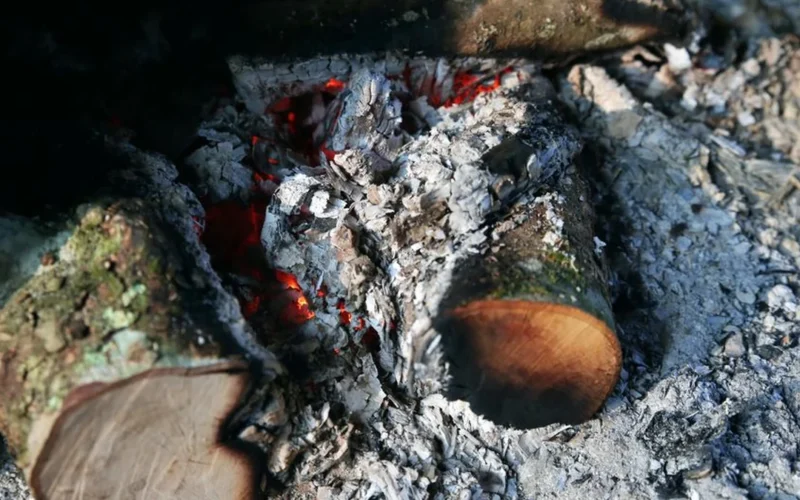
Jassid Tea House avoids this trap by utilizing classic charcoal roasting techniques. Unlike the uniform heat of a machine, charcoal allows for a nuanced, slow transformation of the leaf. This labor-intensive process requires significant time and skill, making it a difficult path for many producers to follow. However, the result is a fundamental shift in how the tea behaves in the mouth. Rather than a fleeting scent, charcoal roasting develops a strong, pleasant aftertaste that lingers long after the final sip. The difference lies in the soul of the processing. High-quality tea is defined less by the harvest itself and more by how those leaves are treated during their transition from plant to cup. By choosing the harder route, Jassid ensures their oolong offers a sensory persistence that machine-made alternatives simply cannot replicate. It is a reminder that in a world obsessed with speed, some things must still be done slowly to taste right. Do you prefer an immediate aromatic punch or a tea that focuses on a long, evolving finish?
Questions & Answers
What is the difference between charcoal roasting and machine roasting for oolong tea?
The primary difference lies in the heat application and the resulting sensory profile of the tea. Machine roasting uses rapid-fire processing that creates an aggressive, immediate aroma which often lacks structural depth or a lasting aftertaste. In contrast, charcoal roasting utilizes nuanced, slow heat to transform the leaves more deeply. This traditional method requires significantly more time and skill but produces a much more complex flavor profile that focuses on longevity rather than just an upfront scent.
Why does machine roasted tea often have a shorter aftertaste?
Machine roasted tea tends to produce a strong, immediate aroma that hits the nose hard before quickly dissipating. Because this processing method prioritizes economic efficiency and speed, it lacks the gradual transformation necessary for flavor persistence. This results in a sensory experience that feels hollow once the initial scent fades. Without the slow heat of traditional methods, the palate is often left searching for the structural depth and lingering finish found in premium, traditionally processed leaves.
How does charcoal roasting affect the flavor profile of Jassid Tea House oolongs?
Charcoal roasting develops a strong, pleasant aftertaste that lingers on the palate long after the final sip is taken. Unlike the uniform heat provided by modern machinery, the alchemy of charcoal allows for a slow and nuanced transformation of the tea leaves. This labor-intensive process ensures that the tea possesses a sensory persistence and structural depth. By prioritizing this traditional technique, the tea offers an evolving finish rather than a fleeting, aggressive aroma that disappears quickly.
What defines high-quality oolong tea according to traditional processing methods?
High-quality tea is defined more by how the leaves are treated during their transition from plant to cup than by the harvest itself. True quality comes from choosing slow, traditional methods like charcoal roasting over efficient but hollow machine processing. This commitment to patience allows for a fundamental shift in how the tea behaves in the mouth, creating complexity and depth. Choosing these harder, more time-consuming paths ensures a superior sensory experience that machine-made alternatives cannot replicate.
Originally reported by Reddit Tea.