

⏱ 1 min read
The Short Version
Surviving Prohibition by pivoting to medicinal wines, Brotherhood Winery has remained America’s longest-operating estate since 1839. They’ve mastered the art of longevity by pairing two centuries of resilience with surprisingly approachable pricing that defies boutique elitism.
In This Article
Pour yourself a cup for this one: history is rarely linear, especially when it involves fermented grapes. While many storied estates vanish under the weight of economic shifts or social upheaval, Brotherhood Winery has managed to remain the longest continually operating winery on American soil since its first vintage in 1839. What began as John Jaques’ backyard vineyard in Washingtonville has transformed into a resilient Hudson Valley landmark that refuses to let antiquity become an excuse for elitism.
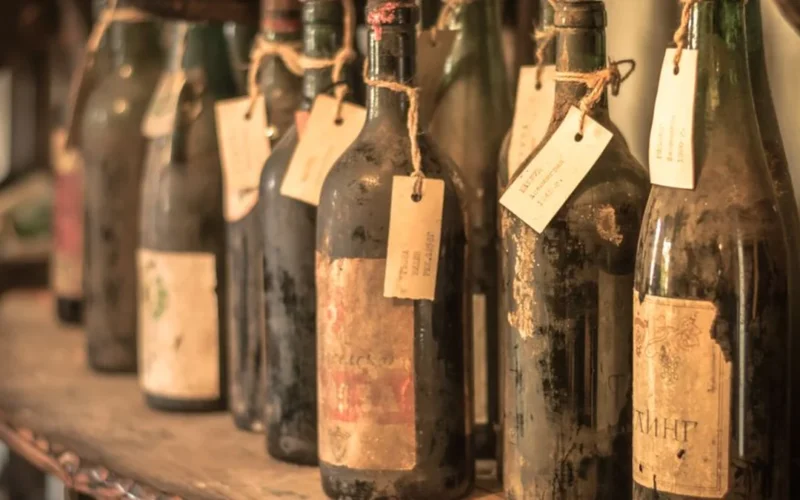
As soon as Prohibition was repealed in 1933, Brotherhood released close to 500,000 bottles of champagne that were cellared in 1915.
Resilience through prohibition
The winery’s longevity is less about luck and more about a relentless ability to pivot. When Prohibition threatened to erase their existence, Brotherhood didn’t fold; they leaned into legality by producing medicinal and sacramental wines. As soon as Prohibition was repealed in 1933, Brotherhood released close to 500,000 bottles of champagne that were cellared in 1915. This capacity for strategic adaptation allowed them to survive even when physical disasters struck, such as a devastating fire in 1999 that failed to reach their vital underground vaults.
Heritage meets accessibility
Unlike many historic vineyards that transition into high-priced boutique labels, Brotherhood maintains a surprisingly grounded price point. You can still find bottles for roughly $11, proving that historical significance doesn’t have to come with a prohibitive markup. The estate has successfully modernized its revenue streams by integrating tourism, catering, and a subscription-based wine club that delivers curated selections directly to enthusiasts. It is a rare example of a working historical landmark that balances the weight of its past with the practical demands of the modern market. By pairing an immersive tasting room experience with approachable pricing, they have ensured that their two-century legacy remains a living history rather than a museum piece. Do you prefer your historic wines to be high-end collector items or accessible daily drinkers?
Questions & Answers
How did Brotherhood Winery survive during the Prohibition era?
Brotherhood Winery survived Prohibition by pivoting their production to include medicinal and sacramental wines. This strategic adaptation allowed them to maintain operations even when alcohol consumption was legally restricted across the United States. Their ability to remain functional through these legal shifts ensured their long-term survival. Once Prohibition was finally repealed in 1933, the winery was able to immediately capitalize on their preserved stock by releasing nearly 500,000 bottles of champagne that had been cellared since 1915.
What makes Brotherhood Winery a significant historical landmark?
Brotherhood Winery is significant because it is the longest continually operating winery on American soil. Established in 1839 by John Jaques, the estate has maintained its presence through nearly two centuries of economic and social volatility. While many historic vineyards have vanished over time, this Hudson Valley landmark has successfully navigated disasters like a devastating fire in 1999. By preserving their vital underground vaults during such crises, they have managed to keep their historical legacy alive for modern generations.
How does Brotherhood Winery maintain affordable pricing for its customers?
Brotherhood Winery maintains affordability by avoiding the high-priced boutique model used by many other historic vineyards. They offer a grounded price point that allows consumers to find bottles for approximately $11, ensuring that historical significance does not result in prohibitive markups. This approach balances their deep heritage with accessibility, allowing them to serve as a living history rather than an elitist museum piece. By keeping prices approachable, they ensure their wines remain accessible daily drinkers for a wide variety of enthusiasts.
Why has Brotherhood Winery been successful in the modern market?
Brotherhood Winery has succeeded by modernizing its revenue streams to complement its traditional winemaking. The estate integrates diverse business models including tourism, catering services, and a subscription-based wine club that delivers curated selections directly to customers. This multifaceted approach allows them to meet contemporary consumer demands while honoring their long history. By pairing an immersive tasting room experience with practical business strategies, they have successfully transitioned from a backyard vineyard into a resilient and thriving modern enterprise.
Originally reported by Tasting Table.


[…] the wine side, Brotherhood Winery in New York claims the title of America’s oldest continuously operating winery, having pivoted to sacramental wines to survive the dry years. In the West, Agoston Haraszthy […]