

⏱ 1 min read
The Short Version
Stop treating charcuterie as mere snacks; your proteins are actually the architects of your wine selection. Master the interplay of salt, fat, and acid by using bright acidity to cut through creamy Brie or bold tannins to balance rich Jamón Ibérico.
In This Article
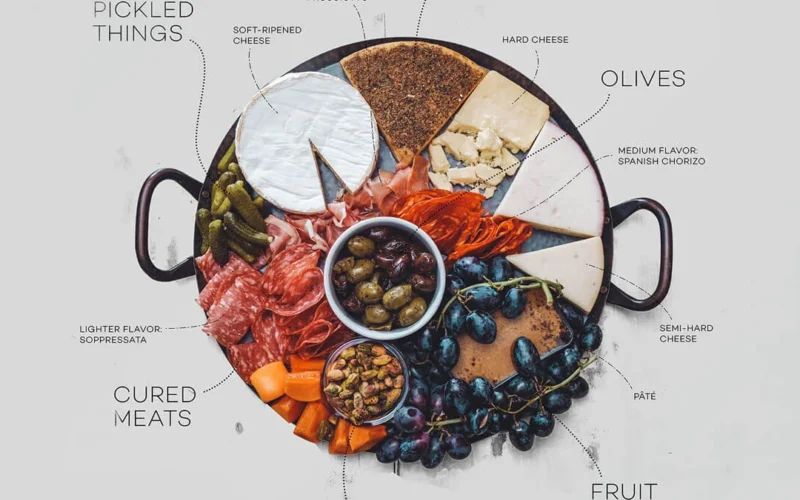
Pour yourself a cup for this one: a perfect charcuterie board is more than an assortment of snacks; it is a curated edible landscape. When executed correctly, the interplay between salt, fat, and acid transforms a simple platter into a sophisticated tasting experience. The secret lies in understanding that your proteins and cheeses are not just food—they are the architects of your wine selection.
Fats or oils pair well with bolder red wines because the fat counterbalances the high tannins in the wine.
Balance through acidity and fat
The foundational rule of pairing is to match the intensity of the dish to the structure of the wine. If you are serving creamy, soft-ripened cheeses like Brie or Camembert, look toward sparkling wines or aromatic whites. Their bright acidity acts as a foil to the luscious, buttery textures, effectively cleansing the palate between bites. Conversely, high-fat elements like pâté or Jamón Ibérico require something with more muscle. Fats or oils pair well with bolder red wines because the fat counterbalances the high tannins in the wine. For those leaning into salty, hard cheeses like aged Manchego or Parmigiano-Reggiano, medium to full-bodied reds work beautifully, as the salt helps soften the wine’s harsher tannins.
Curating the supporting cast
Once the heavy hitters are set, use accompaniments to bridge the gaps between flavors rather than creating new conflicts. Dried fruits should mirror the aromatics of your chosen vintage; think dried apricots with Viognier or cherries with Pinot Noir. Nuts add necessary texture, while olives provide a tangy bite that complements fruit-forward pours. Avoid aggressive additions like dill pickles or spicy pepperoncini, which can produce an abrasive umami clash with most wines. Instead, opt for mild cornichons or marinated artichoke hearts to maintain elegance. If you find yourself overwhelmed by variety, stick to the reliable classics: sparkling wines, light-bodied whites, and fruit-forward reds will navigate almost any board. Remember that bold flavors always demand equally bold companions. By focusing on the core trio of salt, fat, and acid, you ensure every guest finds their perfect match. What is your go-to cheese and wine combination for a weekend gathering?
Questions & Answers
What is the best wine to pair with creamy cheeses like Brie?
Sparkling wines or aromatic whites are the best choices for pairing with creamy, soft-ripened cheeses like Brie or Camembert. The bright acidity found in these specific wine styles acts as a necessary foil to the luscious and buttery textures of the cheese. This interaction helps to effectively cleanse the palate between bites, ensuring that each mouthful remains fresh. Choosing these lighter, acidic options prevents the heavy fats of the cheese from overwhelming your tasting experience.
How do salty cheeses affect the taste of red wine?
Salty, hard cheeses like aged Manchego or Parmigiano-Reggiano help to soften the harsher tannins found in medium to full-bodied red wines. When you consume salt alongside these types of proteins, it creates a balanced interaction that makes the wine feel smoother on the palate. This relationship allows you to enjoy bolder reds without being overwhelmed by their structural intensity. Focusing on this balance ensures that the salt and tannins complement rather than clash with one another.
Which accompaniments should I avoid when building a charcuterie board?
You should avoid aggressive additions like spicy pepperoncini or dill pickles when curating your charcuterie board. These specific items can produce an abrasive umami clash that interferes with the flavors of most wines. Instead of these intense ingredients, opt for milder options such as marinated artichoke hearts or cornichons to maintain a sense of elegance. Using milder accompaniments helps to bridge flavor gaps without creating new conflicts that might disrupt the sophisticated tasting experience you are aiming to create.
Why is acidity important when pairing wine with fatty foods?
Acidity is essential because it acts as a palate cleanser that cuts through high-fat elements like pâté or Jamón Ibérico. When eating rich, fatty foods, the bright acidity in wines provides a necessary structural balance to the heavy textures. This interaction prevents the fat from coating the mouth too heavily, which allows the flavors of both the food and the vintage to shine. By matching intensity with structure, you create a more harmonious and sophisticated edible landscape for your guests.
Originally reported by Wine Folly.


[…] a finish defined by polished tannins and lingering traces of drying wood. Even when paired with simple fare like chicken mole and rice, the wine’s ability to bridge spice and richness becomes evident. […]
[…] is worth savoring: the best wine lists in Denver aren’t always found in white-tablecloth establishments. Sometimes, they are tucked […]