

⏱ 1 min read
The Short Version
A dry cork is a death sentence for fine wine, making precise temperature and humidity control non-negotiable for protecting your investment. To scale from a hobbyist to a pro, transition from grouping by style to implementing a rigorous grid system or digital inventory.
Consider this your briefing on preservation: a disorganized cellar is more than just a nuisance; it is a threat to your investment. Whether you are managing a single wine cooler or a dedicated temperature-controlled room, the goal remains identical—protecting the liquid from environmental decay while ensuring you never pull the wrong cork. Proper storage requires strict adherence to a constant temperature between 55–59°F and humidity levels between 55% and 75%.
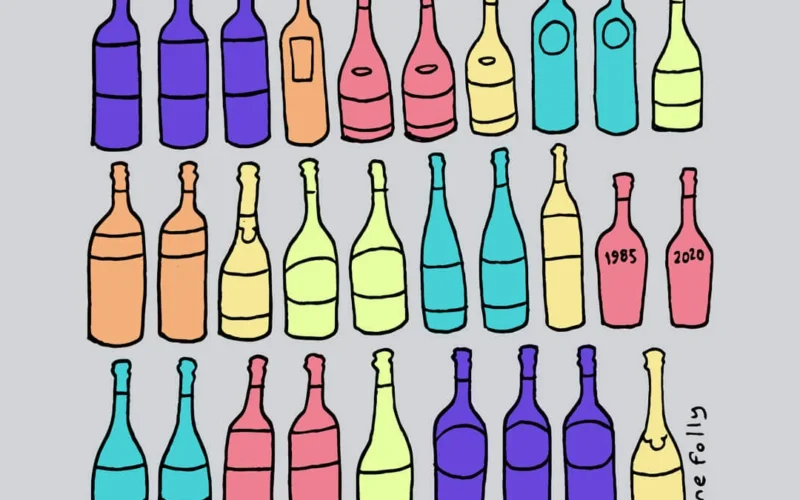
A well-organized wine collection will help you avoid opening bottles too soon or too late.
Protecting the integrity of the bottle
The physics of storage are non-negotiable. For any wine using a traditional cork, you must store bottles on their side to ensure the cork stays moist. A dry cork shrinks, allowing oxygen to seep in and trigger rapid oxidation. While screw caps offer more flexibility and do not require horizontal storage, many serious collectors prefer large-format bottles because they tend to remain more stable than standard 750ml sizes. Beyond temperature, darkness is critical, as ultraviolet rays can quickly spoil even the finest vintages. A well-organized wine collection will help you avoid opening bottles too soon or too late.
Systems for scale and selection
As your collection grows, your organizational logic must evolve alongside it. Small collections benefit from grouping by style—separating sparkling, white, red, and rosé—or even by price point if you are still experimenting with different regions. Once you cross the threshold of 200 bottles, transition to organizing by variety or region to navigate your inventory with precision. For those managing significant volume, implementing a grid system—assigning letters to columns and numbers to rows—turns a chaotic shelf into a searchable database. To prevent premature consumption, place long-term aging bottles in the back or on higher shelves, keeping the “ready-to-drink” selections within easy reach. As complexity increases, leveraging an inventory app like CellarTracker becomes essential for tracking vintages and tasting notes digitally. How do you currently decide which bottle to pull for a special occasion?
Questions & Answers
What are the ideal temperature and humidity levels for wine storage?
The ideal conditions for preserving wine include a constant temperature between 55 and 59 degrees Fahrenheit and humidity levels maintained between 55% and 75%. Maintaining this specific environment protects your liquid investment from environmental decay and ensures long-term quality. Failing to adhere to these strict physical requirements can lead to rapid spoilage or damage to the integrity of the bottle over time.
Why should wine bottles with corks be stored on their sides?
Wine bottles using traditional corks must be stored horizontally to ensure the cork remains moist and expanded. If a cork is allowed to dry out, it may shrink and create gaps that allow oxygen to seep into the bottle. This influx of oxygen triggers rapid oxidation, which can quickly spoil even the finest vintages. While screw caps offer more flexibility, side storage remains essential for traditional corked bottles.
How should a large wine collection be organized for easy access?
Large collections should transition from grouping by style to organizing by specific variety or region once they exceed 200 bottles. Implementing a grid system that assigns letters to columns and numbers to rows can transform a chaotic shelf into a searchable database. To manage consumption effectively, place long-term aging bottles on higher shelves or in the back while keeping ready-to-drink selections within easy reach.
What methods can help collectors track their wine inventory?
Collectors can use organizational logic and digital tools to manage growing inventories with precision. For significant volumes, a grid system helps navigate shelves, while digital inventory apps like CellarTracker allow for the seamless tracking of specific vintages and tasting notes. Using these systems prevents common mistakes such as opening bottles too early or losing track of valuable selections within a complex cellar architecture.
Originally reported by Wine Folly.



[…] The winery’s longevity is less about luck and more about a relentless ability to pivot. When Prohibition threatened to erase their existence, Brotherhood didn’t fold; they leaned into legality by producing medicinal and sacramental wines. As soon as Prohibition was repealed in 1933, Brotherhood released close to 500,000 bottles of champagne that were cellared in 1915. This capacity for strategic adaptation allowed them to survive even when physical disasters struck, such as a devastating fire in 1999 that failed to reach their vital underground vaults. […]