⏱ 1 min read
The Short Version
Forget the restaurant bottleneck; wine consumption actually surged 30% as drinkers pivoted to digital storefronts and celebrity labels. Beyond the bottles, a period of global chaos forced the industry into a long-overdue reckoning with its own systemic inequities and climate vulnerabilities.
Listen up: if you feel like you’ve been drinking directly from the decanter lately, you aren’t alone. The past year has been anything but predictable, forcing an entire industry to pivot under pressure while navigating trade policies and closed doors. Despite the chaos, the data tells a story of resilience rather than retreat.
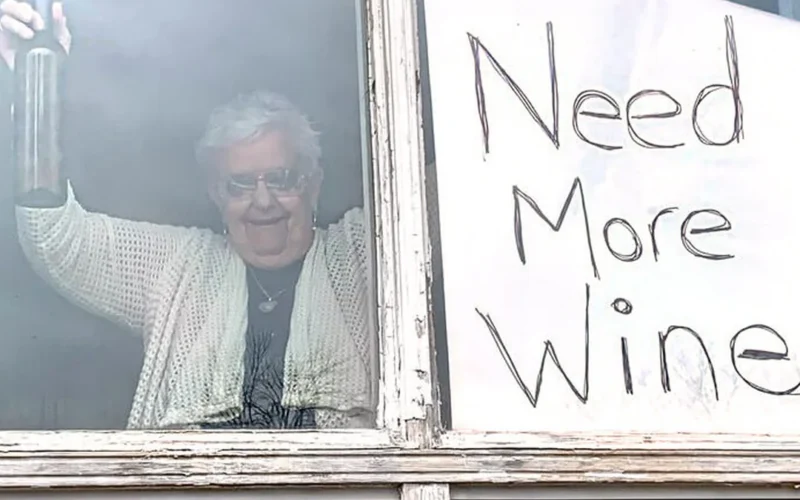
Wineries had to get creative to survive the sudden loss of hospitality venues.
Digital shifts and consumer surges
When restaurants shuttered, the traditional flow of wine hit a massive bottleneck, yet consumption didn’t stall. Sales volume saw a substantial rise, particularly between March and May, when figures peaked nearly 30% higher than the previous year. Wineries were forced into rapid innovation to reach their customers where they lived. This led to a surge in virtual tastings, live streams, and direct online sales that permanently altered how brands connect with drinkers. Wineries had to get creative to survive the sudden loss of hospitality venues.
Celebrity entries and cultural reckoning
The market also became increasingly crowded by unexpected faces. From Post Malone’s rosé to Cameron Diaz’s foray into “pure” wines, celebrity influence flooded the shelves alongside more grit-focused labels from Snoop Dogg and Mary J Blige. Beyond the bottles, the industry faced a much-needed internal audit. We observed a significant movement as the wine trade began to take a serious look at racism and sexism within its own ranks, driven by trailblazers demanding structural change. While climate change studies have long warned of regions becoming unsuitable for viticulture, this year made those theoretical risks feel uncomfortably real. It has been a year defined by stress and transition, but it was also one where the industry finally started addressing its most systemic flaws. As we move forward, the landscape looks fundamentally different than it did twelve months ago. What was the most surprising bottle you discovered while stuck at home this year?
Questions & Answers
How did the wine industry adapt to restaurant closures in 2020?
Wineries adapted by pivoting toward digital innovation and direct consumer engagement to bypass closed hospitality venues. Because traditional sales channels like restaurants shuttered, brands rapidly implemented virtual tastings, live streams, and enhanced online sales platforms to reach drinkers at home. This shift allowed wineries to maintain a connection with their customers despite the massive bottleneck in traditional distribution. These creative digital strategies fundamentally altered how wine brands connect with their audience on a permanent basis.
What impact did celebrity involvement have on the wine market?
Celebrity influence flooded the market by introducing several high-profile new labels to retail shelves. Unexpected figures entered the industry, ranging from Post Malone’s rosé to Cameron Diaz’s focus on pure wines, alongside brands from Snoop Dogg and Mary J Blige. This influx of celebrity-backed products contributed to an increasingly crowded marketplace. These entries represent a significant shift in consumer trends as famous personalities leverage their influence to participate directly in the wine trade.
Why did wine consumption levels change during the early months of 2020?
Wine consumption saw a substantial rise in sales volume specifically between March and May due to shifting consumer habits. During this period, figures peaked nearly 30% higher than the previous year as people shifted their drinking patterns while staying at home. Although the closure of restaurants created distribution challenges, the surge in demand was driven by consumers seeking wine through direct online sales and other digital channels. This spike highlighted the resilience of the industry during a time of global disruption.
How did the wine industry address internal social issues during this period?
The wine industry began conducting significant internal audits to address systemic racism and sexism within its ranks. Driven by trailblazers demanding structural change, the trade started a much-needed cultural reckoning to confront these long-standing flaws. This movement pushed the industry to look critically at its own social dynamics and professional standards. While the year was defined by various stresses, it also marked a turning point for addressing the most fundamental systemic issues within the wine community.
Originally reported by Wine Folly.