

⏱ 1 min read
The Short Version
Forget the grassy punch of matcha; hojicha’s toasted, nutty profile is hijacking the specialty scene. From creamy lattes to Michelin-starred desserts, this low-caffeine powerhouse offers coffee lovers a sophisticated, earthy alternative that actually grows more complex with time.
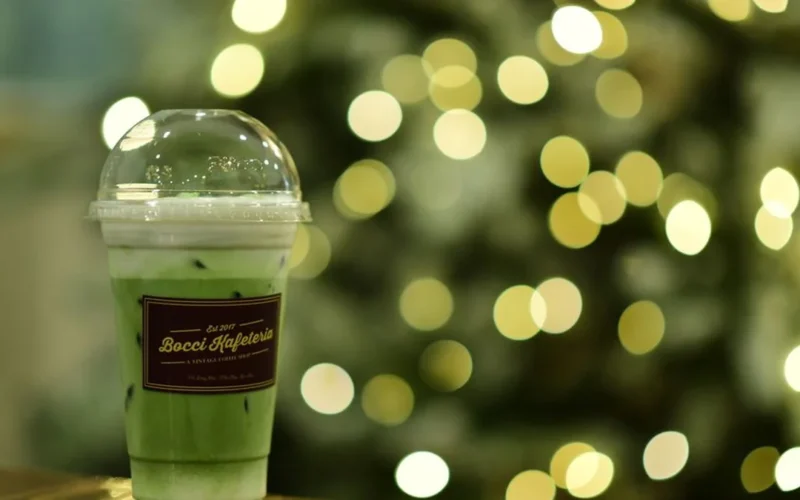
Coffee lovers, tea devotees—listen up: there is a new roasted profile dominating the specialty scene. While matcha has enjoyed centuries of prestige, its cousin, hojicha, is rapidly gaining ground in Western cafes. This isn’t just another seasonal fad; it is a fundamental shift toward deeper, toasted flavors and lower caffeine profiles.
Hojicha has a wonderful, sweet flavor.
A departure from green tradition
Unlike the vibrant, grassy notes of sencha or the intense punch of matcha, hojicha offers something entirely different. Developed in Japan during the 1920s, likely to repurpose tea stems and leaves, this tea undergoes a rigorous roasting process. By toasting the entire leaf and stem, producers unlock a signature nutty aroma that feels more akin to a light roast coffee than a traditional steeped green tea. Because it uses late-harvest bancha leaves, the flavor remains mild and earthy rather than astringent. Hojicha has a wonderful, sweet flavor. This makes it remarkably forgiving for home brewers; while many green teas turn bitter if oversteeped, hojicha actually deepens in complexity as it sits.
From lattes to Michelin stars
The versatility of these roasted notes is driving innovation across the culinary spectrum. We are seeing a move beyond simple brewed cups into highly textured preparations. Brands like Blue Bottle are now offering powdered versions, allowing baristas to whisk the tea into creamy lattes that mimic the ritual of matcha but with a toasted finish. High-end establishments are pushing the boundaries even further. In New York, chefs are utilizing the tea’s profile for sophisticated desserts like hojicha ice cream, while cocktail programs are incorporating hojicha-infused rye to add savory depth to spirits. Whether it is served as a low-caffeine morning alternative or an ingredient in a $28 cocktail, its nutty character provides a bridge between tea culture and the bold profiles favored by coffee drinkers. Do you prefer the bright, vegetal punch of matcha or the cozy, roasted warmth of hojicha?
Questions & Answers
What is the difference between matcha and hojicha?
Matcha is characterized by vibrant, grassy notes and an intense flavor profile, whereas hojicha offers a toasted, nutty aroma. While matcha relies on traditional green tea profiles, hojicha undergoes a rigorous roasting process of the entire leaf and stem to create a deeper flavor. This unique preparation makes hojicha feel more akin to a light roast coffee than a standard steeped green tea. Consequently, hojicha provides a mild, earthy experience that contrasts sharply with the punchy, vegetal nature of matcha.
How is hojicha prepared to achieve its unique flavor?
Hojicha is prepared through a rigorous roasting process that toasts the entire tea leaf and stem. Developed in Japan during the 1920s, this method was likely used to repurpose tea stems and leaves into a delicious beverage. By using late-harvest bancha leaves and applying high heat, producers unlock a signature nutty aroma and sweet flavor profile. This roasting technique ensures the tea remains mild and earthy rather than astringent, making it a distinct departure from traditional green tea preparations.
Why is hojicha considered more forgiving for home brewing?
Hojicha is more forgiving for home brewers because its flavor actually deepens in complexity as it sits in water. Unlike many traditional green teas that quickly turn bitter if they are oversteeped, the roasted nature of hojicha allows for a longer steeping time without ruining the taste. This sweet and mild profile makes it much easier for beginners to prepare at home. The tea maintains its delicious, toasted character even when left to steep longer than standard varieties.
What are some culinary uses for hojicha beyond traditional tea?
Hojicha is used in various innovative ways ranging from creamy lattes to sophisticated high-end desserts and cocktails. Baristas frequently whisk powdered versions of the tea into textured lattes to mimic the matcha ritual with a toasted finish. In professional kitchens, chefs utilize its profile for items like hojicha ice cream, while cocktail programs incorporate hojicha-infused rye to add savory depth to spirits. These diverse applications demonstrate how the tea's nutty character bridges the gap between tea culture and bold coffee profiles.
Originally reported by Food & Wine.


[…] by Gen Z and Gen Alpha—is demanding beverages that serve as expressions of identity. From iced matcha lattes to fruit-forward refreshers, the modern palate craves texture, color, and high levels of […]
[…] significantly. While lifestyle shifts are non-negotiable, dietitians suggest that integrating green tea into your daily ritual offers a science-backed way to support your internal […]
[…] flow that comes from sharing a truly exceptional brew. Whether it is the rarity of their roasted black matcha or the precision of their stone milling, this shop treats tea as a living ingredient rather than a […]