⏱ 2 min read
The Short Version
Forget serious pour-overs; Gen Z is driving a beverage revolution fueled by colorful, highly customizable iced drinks designed for social sharing. To win, independent cafés must master this playful shift by balancing trendy, high-margin recipes with streamlined workflows that ensure speed and consistency.
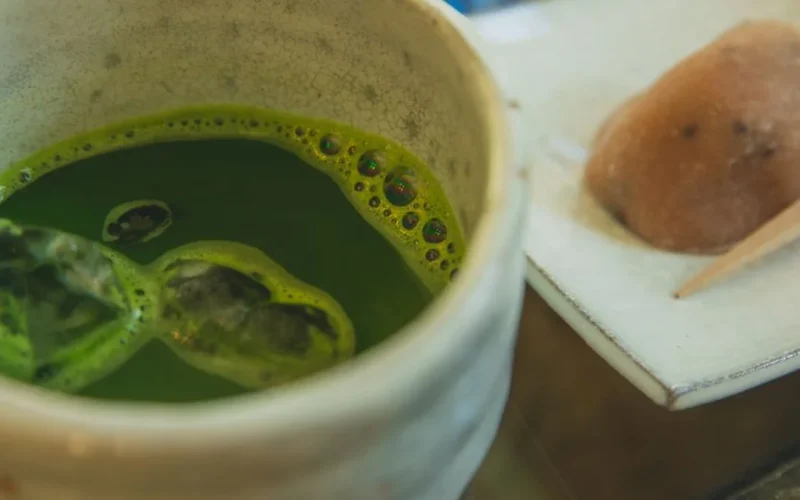
The era of the serious, scientific pour-over is yielding to a more playful challenger. While specialty coffee once prioritized exclusivity, a new wave of consumers—led by Gen Z and Gen Alpha—is demanding beverages that serve as expressions of identity. From iced matcha lattes to fruit-forward refreshers, the modern palate craves texture, color, and high levels of customization.
Today’s consumers reject the notion that others should dictate what constitutes “good” coffee.
The shift toward experiential drinking
The demand for variety isn’t just about caffeine; it’s about lifestyle integration. Consumers are now moving through different beverage profiles in a single day, transitioning from cold brew mornings to antioxidant-rich iced teas or protein-heavy chai lattes post-workout. This trend is fueled by social media, which allows emerging trends from East and Southeast Asia to influence global consumer expectations almost instantaneously. The commercial implications are significant: Black Sheep Coffee saw a 227% year-over-year increase in iced sales after introducing matcha and lemonades, while Blank Street rebranded its entire aesthetic around the matcha profile. Today’s consumers reject the notion that others should dictate what constitutes “good” coffee. Instead, they seek out highly visual, customizable drinks designed for social sharing.
Balancing innovation with operational speed
For independent cafés, the challenge lies in competing with the scale of giants without sacrificing quality or workflow. Large chains use massive platforms to roll out customizable energy refreshers, but small shops possess a unique advantage: the ability to pivot quickly. However, adding complex, multi-ingredient drinks can easily derail a busy bar if not managed correctly. Relying on manual syrup pumps and hand-built recipes often leads to inconsistency and slow service during peak hours.
To remain profitable, operators must find ways to integrate these trendy, custom orders into a seamless workflow. The goal is to offer signature, high-margin items without increasing training time or ingredient waste. Successful cafes will be those that leverage smart equipment to handle volumetric dispensing, ensuring that every customized drink remains consistent regardless of staff turnover. By mastering this balance, independents can turn seasonal trends into long-term loyalty.
Evaluate your menu’s ability to bridge the gap between traditional specialty coffee and these high-growth, playful cold formats.
Questions & Answers
Why are Gen Z and Gen Alpha driving the cold beverage revolution?
Younger generations are driving this shift because they view beverages as a way to express their personal identity. Unlike previous eras that prioritized scientific precision, these consumers crave drinks characterized by vibrant colors, unique textures, and high levels of customization. They seek out highly visual products that are designed for social media sharing rather than just caffeine consumption. This lifestyle integration allows them to transition between different drink profiles, such as iced matcha or fruit-forward refreshers, throughout their daily routines.
How has the demand for iced beverages impacted coffee shop sales?
The rising demand for iced and customizable drinks has led to massive revenue growth for various coffee brands. For example, Black Sheep Coffee experienced a significant 227% year-over-year increase in iced sales after they introduced new options like matcha and lemonades to their menu. Similarly, companies like Blank Street have successfully pivoted their entire brand aesthetic to focus on the popular matcha profile. These shifts demonstrate that offering playful, cold formats can significantly impact a business's commercial success and market relevance.
What challenges do independent cafes face when adding trendy drinks?
Independent cafes struggle to balance the introduction of complex, multi-ingredient drinks with the need for operational speed and consistency. While small shops have the advantage of being able to pivot quickly, adding complicated recipes can easily derail a busy bar during peak hours. Relying on manual processes like syrup pumps and hand-built recipes often leads to inconsistent drink quality and slower service. To remain profitable, operators must find ways to integrate these trendy orders into a seamless workflow without increasing training time or waste.
How can coffee shop operators maintain consistency with customized orders?
Operators can maintain consistency by leveraging smart equipment designed for volumetric dispensing. Using automated technology helps ensure that every customized drink remains exactly the same, regardless of staff turnover or manual errors. This approach allows cafes to offer signature, high-margin items while maintaining a fast and efficient workflow. By mastering this balance between innovation and operational stability, independent shops can successfully turn fleeting seasonal trends into long-term customer loyalty without sacrificing the quality of their service.
Originally reported by Perfect Daily Grind.