

⏱ 2 min read
The Short Version
Stop buying for the hue and start buying for the weight. Most orange wines trade citrus promises for a heavy-handed, oxidative funk, meaning you’re often paying premium "natural wine" prices for profiles that behave more like expensive liquid sherry.
In This Article
Pour yourself a cup for this one: the world of orange wine is as much about marketing as it is about maceration. These amber hues often trade citrus promises for a heavy-handed, polarizing funk that catches many off guard. After tasting twenty-five different bottles, the reality is clear: many enthusiasts are paying premium prices for profiles that lean heavily toward fortified territory.
Stop buying for the hue and start buying for the weight.
The myth of the orange flavor
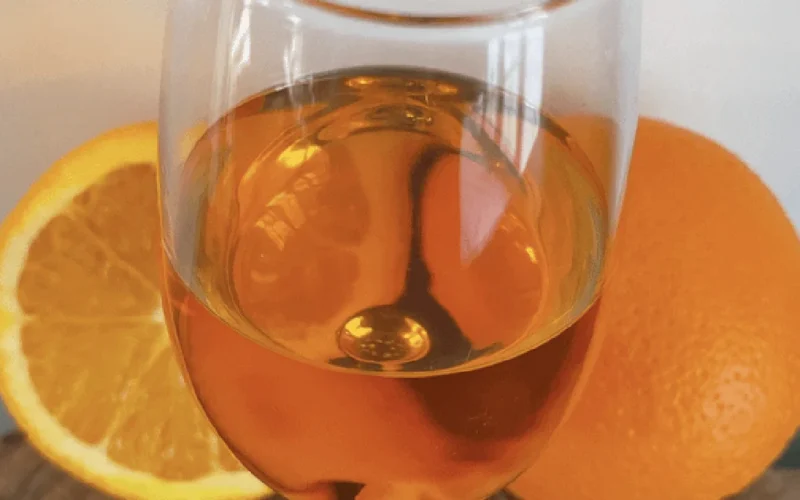
There is a persistent disconnect between the name and the palate in this category. Professionals often insist these wines shouldn’t taste like oranges, yet tasting notes are flooded with mentions of mandarin, satsuma, and orange peel. In practice, the dominant sensation isn’t fresh fruit; it is the bitter edge of marmalade or the deep, nutty weight of an Amontillado sherry. Stop buying for the hue and start buying for the weight.
This premium pricing is often fueled by the “natural wine” halo effect. Producers frequently leverage skin-contact branding to justify high price points for what is essentially an oxidative byproduct of maceration. The best examples, like the Genora Vin Orange 2023, manage to balance this tension. They offer a beautiful rose gold appearance and a texture reminiscent of red wine while maintaining the crisp acidity of a white. However, the spectrum is wide. You can find everything from the peach-heavy lightness of California’s Bonny Doon to the “mahogany sideboard” depths of Spanish Naranja that behave more like a Sauternes or Manzanilla than a standard still wine.
Sorting the gold from the amber
To navigate this category, you have to decide which side of the spectrum you inhabit. The market essentially splits into two distinct camps: those seeking traditional wine-like qualities and those looking for something closer to a Frankenstein creation. One group wants the fruit-forward elegance of dried apricot and quince jelly found in Georgian Qvevri wines, while the other seeks the oxidative, salty, and nutty punch of a true sherry substitute.
If you want a reliable entry point, look for biodynamic macerations that emphasize mineral length over heavy oxidation. If you are chasing the funk, seek out the chestnut-aged or solera-style bottles that embrace the yeast and almond notes. Master the art of reading the texture, not just the label.
Do you prefer your orange wines to lean toward fresh stone fruit or oxidative nuttiness?
Questions & Answers
Why does orange wine often taste like sherry?
Orange wine frequently tastes like sherry because many bottles feature oxidative profiles and heavy, nutty weights. While the name suggests citrus flavors, the maceration process often results in a palate dominated by bitter marmalade or deep Amontillado characteristics rather than fresh fruit. This sensory experience can feel more like a fortified wine than a standard still wine. Some producers leverage these skin-contact methods to justify premium prices even when the resulting flavor leans heavily toward oxidative territory.
What is the difference between different styles of orange wine?
The orange wine market splits into two distinct camps based on whether drinkers prefer fruit-forward elegance or oxidative complexity. One style focuses on traditional wine qualities, offering notes of dried apricot and quince jelly found in Georgian Qvevri wines. The other camp seeks a more experimental experience with salty, nutty, and oxidized profiles similar to Manzanilla or Sauternes. This spectrum ranges from the peach-heavy lightness of California styles to the deep mahogany depths of Spanish Naranja.
How does the skin-contact process affect orange wine?
The skin-contact process, also known as maceration, creates the characteristic amber hue and can lead to an oxidative byproduct. While this method is often used in natural wine branding to justify higher price points, it frequently produces a heavy-handed funk that differs from the fresh fruit expectations of consumers. When done well, such as with Genora Vin Orange, the process can balance a rose gold appearance and red wine texture with crisp acidity, but it often results in a polarizing profile.
What should people look for when buying orange wine?
Buyers should focus on the weight and texture of the wine rather than just its visual hue. Because there is a disconnect between the name and the actual palate, looking at color alone can lead to unexpected results. Instead of expecting fresh citrus, consumers should decide if they want fruit-forward elegance like peach or apricot, or if they prefer an oxidative, nutty profile reminiscent of fortified wines. Understanding whether you prefer lightness or heavy weight helps navigate the wide market spectrum.
Originally reported by Reddit Wine.




[…] something far more fragile and sensitive to temperature. Do you prefer your Chardonnay to lean into heavy oak, or do you find yourself craving more […]
[…] a level of unpredictability that most modern viticulture has polished away. Do you prefer your skin-contact whites to be structurally tight or more texturally […]
[…] viticulture. Crafted from selected fine grapes, this young rosé avoids pretension in favor of pure, accessible refreshment. It presents a delicate pink hue that mirrors its lighthearted character, signaling a wine designed […]
[…] used in both the vineyard and the winery. To find gems in this unpredictable category, Buy your natural wine from a merchant you trust. A knowledgeable retailer who curates a dedicated shelf acts as your […]