⏱ 1 min read
The Short Version
Treating your Zhuni teapot like mere kitchenware is a high-stakes gamble; its dense, fine structure is notoriously prone to cracking from sudden thermal shock. To protect this prized investment, you must master a disciplined, staged warming process to achieve essential thermal equilibrium.
In This Article
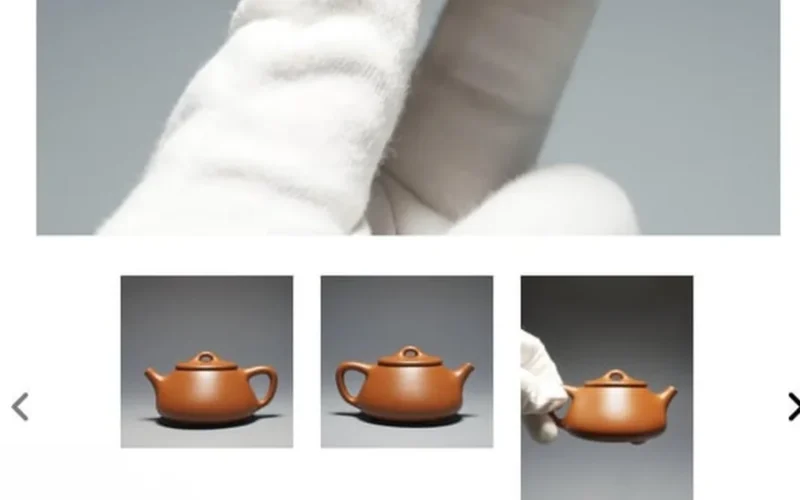
Mastering high-end Yixing ware requires a shift in perspective: treating your vessel as a living instrument rather than mere kitchenware. If you have recently acquired a teapot made from Zhuni clay, you are holding one of the most prized yet temperamental materials in the tea world. Its reputation for beauty is matched only by its vulnerability to thermal shock.
Protecting your investment
The primary concern with Zhuni is its structural integrity when faced with rapid temperature shifts. Because this specific clay is exceptionally fine and dense, sudden exposure to boiling water can create internal tension that leads to immediate cracking. [A disciplined, staged warming process is essential to mitigate these thermal stresses.] This means starting with lower-temperature water to gradually raise the vessel’s internal temperature before introducing the full heat required for a proper steep.
While some enthusiasts claim this process is excessive, neglecting it is a gamble with expensive equipment. The goal is to achieve thermal equilibrium through a staged approach rather than a sudden shock. Rushing the heating process may save two minutes in your morning ritual, but it risks permanent damage to the clay’s delicate composition.
The Puerh debate
There is also significant contention regarding whether Zhuni belongs in a Puerh service. Much of this criticism stems from the material’s low porosity. Unlike more rugged, porous clays that breathe and absorb oils deeply over time, Zhuni behaves much like ceramic due to its tight grain structure.
For those prioritizing heavy seasoning, this lack of absorption can feel limiting. However, discerning collectors must also guard against counterfeits; many “Zhuni” vessels on the market are actually blended clays designed to mimic the signature reddish-orange hue while lacking the authentic density and thermal sensitivity of true Zhuni. For drinkers seeking clarity, a genuine, non-porous vessel ensures that the nuanced flavors of a high-quality tea are not muddied by the ghost of previous infusions.
The choice between a transformative, evolving pot and one that preserves absolute flavor precision defines your personal brewing philosophy.
Questions & Answers
Why is Zhuni clay so prone to cracking?
Zhuni clay is highly vulnerable to thermal shock because of its exceptionally fine and dense composition. When this specific material is suddenly exposed to boiling water, it creates internal tension within the vessel that can lead to immediate structural failure. To prevent this damage, users must employ a disciplined, staged warming process. This method allows the teapot to reach thermal equilibrium gradually rather than facing the sudden heat of a full steep which risks permanent cracking.
How should I properly warm a Zhuni clay teapot?
You should use a staged warming process that begins with lower-temperature water to gradually raise the vessel's internal temperature. This technique mitigates thermal stresses by preventing the sudden temperature shifts that cause fine clay to crack. Instead of rushing directly into a boiling water steep, you must prioritize achieving thermal equilibrium through incremental heating. Taking this extra time protects the delicate composition and ensures the long-term structural integrity of your expensive Yixing ware.
What makes Zhuni clay different from other porous clays?
Zhuni clay differs from more rugged, porous materials because it has a very tight grain structure and low porosity. While many Yixing clays are designed to breathe and deeply absorb tea oils over time, Zhuni behaves much like ceramic due to its density. This characteristic makes it less ideal for enthusiasts who prioritize heavy seasoning of their vessels. However, this non-porous nature is highly valued by collectors seeking tea clarity during the brewing process.
How can I tell if a Zhuni teapot is authentic?
You can identify authentic Zhuni by looking for its specific density and high thermal sensitivity. Many counterfeit vessels on the market are actually blended clays designed specifically to mimic the signature reddish-orange hue of genuine material without providing the same qualities. True Zhuni possesses a unique, fine grain structure that reacts predictably to temperature changes. Being aware of these physical properties helps collectors distinguish between genuine, high-end Yixing ware and cheaper imitations meant to look like the real thing.
Originally reported by Reddit Tea.