

⏱ 1 min read
The Short Version
Serving red wine at standard room temperature is a mistake that makes alcohol spike and fruit vanish. To stop tannins from screaming, chill your bottle for five to fifteen minutes before pouring to restore its structural balance.
In This Article
Real talk: if you are pouring a Cabernet straight from a kitchen counter rack, you are doing the wine a massive disservice. Most people assume “room temperature” is the gold standard for reds, but that is a myth born of bad information. In reality, modern dining rooms are often far too warm, causing the alcohol to spike and the fruit to vanish.
A slight temperature drop is often the difference between a wine that sings and one that screams.
The science of heat
When red wine hits 75°F, the structural balance collapses. The acid and fruit notes recede into the background while the tannins and alcohol become aggressive and “hot.” This is why many drinkers mistakenly believe they dislike certain varietals; they don’t hate the wine, they just hate how it tastes when it is sweltering. A slight temperature drop is often the difference between a wine that sings and one that screams. To fix this, you need to aim for a cool, controlled serving environment.
The fifteen minute fix
You do not need a cellar to achieve the perfect serving temperature. For high-acid reds like Pinot Noir, a ten-minute soak in an ice-water bath is the sweet spot. Heavier hitters like Cabernet might only need five minutes. If you are in a rush, wrap the bottle in a damp kitchen towel and toss it into the freezer for fifteen minutes.
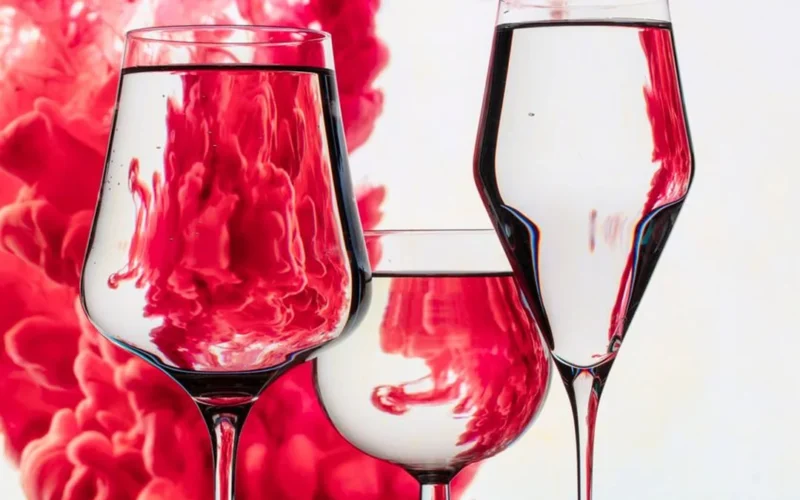
To maintain this precision, pay attention to your vessel. Thin-walled crystal preserves temperature more effectively than heavy, thick-bottomed tumblers, which act as heat sinks and warm the wine almost instantly upon contact with your hand. Whether you are sipping a light Frappato or a structured Barbaresco, temperature is the lever that controls complexity.
Are you ready to ditch the room-temp myth and start chilling your reds?
Questions & Answers
Why should you avoid drinking red wine at room temperature?
Drinking red wine at standard room temperature can cause the alcohol to feel overly aggressive and mask the fruit notes. When wine reaches temperatures around 75 degrees Fahrenheit, the structural balance collapses as acidity recedes into the background. This heat makes tannins feel harsh and causes the alcohol to spike, which often leads drinkers to mistakenly believe they dislike certain wine varietals when the issue is actually just the serving temperature.
How can you quickly chill a bottle of red wine?
You can quickly chill a bottle of red wine by using an ice-water bath or a damp kitchen towel in the freezer. High-acid reds like Pinot Noir benefit from a ten-minute soak in ice water, while heavier wines like Cabernet may only require five minutes. If you are in a hurry, wrapping the bottle in a damp towel and placing it in the freezer for fifteen minutes is an effective way to reach the ideal serving temperature.
What type of glassware is best for maintaining wine temperature?
Thin-walled crystal is the best type of glassware for preserving the serving temperature of your wine. Unlike heavy, thick-bottomed tumblers that act as heat sinks and warm the liquid almost instantly upon contact with your hand, thin crystal helps maintain a cool and controlled environment. Choosing the right vessel ensures that the complexity of the wine remains intact from the first sip to the last by preventing rapid temperature shifts.
What happens to red wine when it gets too warm?
Red wine loses its structural balance and flavor complexity when it becomes too warm. As the temperature approaches 75 degrees Fahrenheit, the essential acid and fruit notes recede into the background of the palate. This temperature spike causes the tannins and alcohol to become aggressive and hot, which can make the wine scream rather than sing. Controlling the temperature is the primary lever used to manage a wine's overall complexity and taste.
Originally reported by Food & Wine.

[…] of clones, but as a responsive map of the landscape. From treating Viognier like a “red wine in waiting” to perfecting the juiciness of premium Pinot Noir, the focus is on respecting the […]