⏱ 2 min read
The Short Version
Forget monolithic trends; 2026 is about the alchemy of live fire and slow fermentation. Whether through nostalgic tableside theater or intimate chef’s counters, luxury is pivoting away from rigid formality toward deep, elemental flavors and authentic connection.
Pour yourself a cup for this one: the era of the singular, monolithic food trend is over. According to recent insights from MICHELIN Guide Inspectors, the global dining landscape is shifting toward a more personal, nuanced way of eating well. Rather than chasing a single wave, chefs are leaning into deep flavors and elemental techniques that prioritize intentionality over artifice.
flavor is developed less through added richness and more through processes that simply take time.
Elemental heat and preserved depth
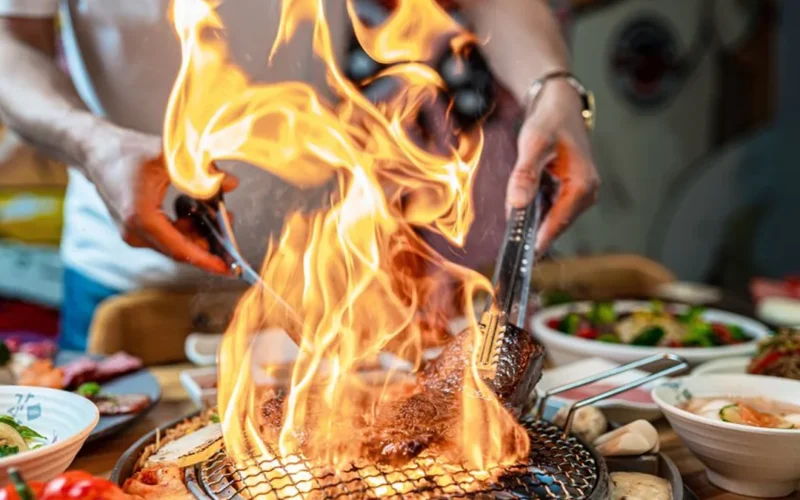
One of the most striking shifts is the return to primitive cooking methods used with modern precision. Chefs across the globe—from Buenos Aires to China—are moving away from standard stovetops to embrace live fire, using embers, wood, and binchotan charcoal to achieve a specific clarity of flavor. This isn’t just about smoke; it’s about how heat interacts with simple ingredients like shellfish or prawns to create a direct expression of taste. Alongside this heat, there is a profound obsession with time. Whether it is through lacto-fermentation in Québec or aging fish on the French Atlantic coast, flavor is developed less through added richness and more through processes that simply take time. We are seeing mushrooms move from garnishes to main characters, while tea is being repurposed as a culinary tool to smoke poultry or perfume seafood.
The return of service identity
As the kitchen becomes more focused on fermentation and fire, the dining room is undergoing its own stylistic split. On one end, there is a nostalgic resurgence of high-touch, old-school service. Trolley services and tableside carving are making a comeback in places like Malaysia and France, bringing the front-of-house staff back to the center of the experience. On the other hand, a highly professionalized counter service model continues to grow in hubs like Copenhagen and Reykjavik. This creates an immediate, almost intimate connection between the guest and the technical mastery occurring behind the bar.
This divergence suggests that fine dining is becoming less about rigid formality and more about connection, whether that happens via a velvet-seated bistro or a casual, tattooed server at a high-end tasting counter. As attention shifts toward emerging food hubs like Bangkok and Fujian, the definition of “luxury” appears to be moving toward transparency and depth.
Do you prefer the intimacy of a chef’s counter or the theater of traditional tableside service?
Questions & Answers
What are the main dining trends predicted for 2026?
The primary dining trends for 2026 involve a shift toward elemental cooking techniques, deep fermentation, and diverse service styles. Chefs are moving away from monolithic food trends to focus on intentionality through live fire cooking and time-intensive preservation methods. Additionally, the dining experience is splitting between nostalgic, high-touch tableside theater and highly professionalized counter service models. These shifts suggest that modern luxury in fine dining is increasingly defined by transparency, connection, and technical depth rather than rigid formality.
How are chefs using fire and fermentation to enhance flavor?
Chefs are utilizing live fire and time-based preservation to create more direct and nuanced expressions of taste. Instead of relying on standard stovetops, many culinary professionals use embers, wood, or binchotan charcoal to interact with simple ingredients like shellfish. This elemental heat is paired with a profound obsession with time through processes such as lacto-fermentation in Québec or aging fish along the French Atlantic coast. These techniques prioritize developing flavor depth through natural progression rather than adding artificial richness.
Why is tableside service making a comeback in fine dining?
Tableside service is returning to the forefront of dining to provide a sense of nostalgia and high-touch engagement for guests. By bringing back elements like trolley services and tableside carving, restaurants in regions such as Malaysia and France are placing front-of-house staff back at the center of the experience. This resurgence represents one side of a stylistic split in the industry, offering a theatrical alternative to the increasingly popular and intimate professionalized counter service model found in global food hubs.
What differences exist between traditional service and modern counter service?
Traditional service focuses on nostalgic theater and high-touch interaction, while modern counter service emphasizes intimacy and technical transparency. Old-school models utilize trolley services and tableside carving to create a sense of ceremony within the dining room. Conversely, the professionalized counter service model, which is growing in cities like Copenhagen and Reykjavik, creates an immediate connection between the guest and the culinary mastery happening behind the bar. Both styles reflect a broader move toward personalized dining experiences over rigid formality.
Originally reported by MICHELIN Guide.