⏱ 2 min read
The Short Version
Forget the syrupy fruit wines of yesteryear; Ohio’s Grand River Valley is trading sweetness for structural integrity. From ancient Georgian grapes aged in ceramic to Champagne-style sparkling blends, this region has evolved into a sophisticated destination for serious collectors.
In This Article
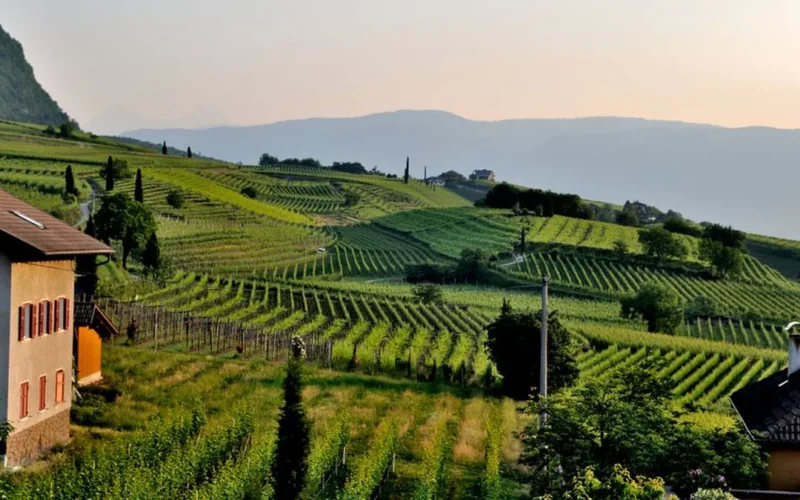
Real talk: forget the syrupy fruit wines of the past. Ohio’s Grand River Valley AVA is quietly undergoing a sophisticated transformation, trading sugary profiles for dry, bold, mature wines that demand serious attention. Located just an hour northeast of Cleveland, this region—centered around Geneva—is proving it can compete on a much more technical level.
Winemakers in the Grand River Valley have shifted tastes and perceptions away from syrupy sweet Midwestern fruit wines to dry, bold, mature wines worthy of the spotlight.
A shift toward terroir and tradition
The movement is driven by winemakers prioritizing specific varietals and unique aging methods. At Matt Meineke’s vineyard, the focus shifts to ancient Georgian grapes like Saperavi and Rkatsiteli, which are aged in traditional ceramic vessels. Nearby, Laurentia leans into its century-long history with high-quality estate wines grown on south-facing slopes. Winemakers in the Grand River Valley have shifted tastes and perceptions away from syrupy sweet Midwestern fruit wines to dry, bold, mature wines worthy of the spotlight. This evolution extends to experimentation, such as Lauren Fiala’s work at Bacigot, where she utilizes traditional methods to craft sparkling wines reminiscent of Champagne. The region also embraces collaborative complexity through projects like Cask 307, a perpetually aged cask wine produced by a collective of local makers. For those seeking scale without losing quality, Debonné stands as the area’s largest estate winery, managing 175 acres of grapes. Whether you are sipping Cabernet Franc at a vine-covered patio or exploring the Italian-inspired pairings at Ferrante Winery, the emphasis remains on structural integrity rather than simple sweetness.
Beyond the tasting room
A weekend here requires more than just a flight of reds. You can start the morning with pastries at Scribblers Coffee Company before heading toward the water. For a change of pace, The Black Door Tavern offers Prohibition-style cocktails and smoked potatoes in a historic setting. If your palate prefers something more rugged, Ashtabula provides butcher-cut steaks at Rennick Meat Market that pair seamlessly with local vintages. Lodging has evolved alongside the wine to match this newfound elegance. While The Lodge at Geneva-on-the-Lake remains a reliable staple for its proximity to wineries, newer options offer more curated experiences. The Inn at Vincent William Wine provides boutique, adults-only accommodations overlooking Lake Erie, while Standing Rock Farms offers luxe cabins for those who prefer a bit of space. Between the kayaking on Grand River and the high-end estates, the valley is no longer just a weekend detour; it is a destination. Which of these regional styles—traditional European varietals or experimental cask blends—sounds most appealing for your next trip?
Questions & Answers
What is changing about the wine style in Grand River Valley?
The Grand River Valley AVA is transitioning from producing sugary, syrupy fruit wines to crafting dry, bold, and mature wines. This sophisticated transformation focuses on technical skill, structural integrity, and terroir rather than simple sweetness. Winemakers are now prioritizing specific varietals and traditional aging methods to compete on a higher level. For example, producers are moving away from the old Midwestern reputation of sweet wines toward more complex profiles that demand serious attention from wine enthusiasts.
How are local winemakers experimenting with traditional grape varieties?
Winemakers in the region are utilizing ancient grapes and traditional vessels to create unique flavor profiles. At Matt Meineke's vineyard, the focus is on Georgian grapes like Saperavi and Rkatsiteli which undergo aging in traditional ceramic vessels. Other producers are also exploring historical methods, such as Lauren Fiala at Bacigot, who uses traditional techniques to craft sparkling wines similar to those found in Champagne. These diverse approaches help elevate the region's reputation through technical experimentation and variety.
What are some popular dining and food pairing options in the area?
Visitors can enjoy a variety of culinary experiences ranging from historic taverns to high-end meat markets. The Black Door Tavern offers Prohibition-style cocktails paired with smoked potatoes, while Rennick Meat Market in Ashtabula provides butcher-cut steaks that complement local vintages. For those looking for a lighter start to their day, Scribblers Coffee Company serves pastries. These diverse food options allow travelers to pair regional flavors with the evolving, sophisticated wine profiles found throughout the valley.
Where can visitors find lodging near the Grand River Valley wineries?
Lodging options in the region range from reliable lakeside staples to curated boutique experiences. The Lodge at Geneva-on-the-Lake is a popular choice due to its close proximity to many local wineries. For those seeking more specialized accommodations, The Inn at Vincent William Wine provides an adults-only boutique experience overlooking Lake Erie. Additionally, travelers looking for more space and luxury can stay in the high-end cabins offered at Standing Rock Farms during their visit.
Originally reported by Midwest Living.