⏱ 1 min read
The Short Version
Toro’s ancient vines are being replaced by solar panels, as financial incentives offer €2,000 per hectare—far more than grape sales—reshaping the region’s rural landscape.
The once-thriving Tinto de Toro vines, rooted in the region’s soil for centuries, are being supplanted by solar panels. In Toro, where ungrafted vines have grown for 200 years, financial incentives for solar power are transforming farmland into energy infrastructure. Bodega Numanthia’s estate director, Julio Rodriguez, calls it a “distortion of free-market forces”—a quiet reckoning for Spain’s oldest Tempranillo plantings.
Toro is losing its patrimony
A Financial Shift Steals the Spotlight
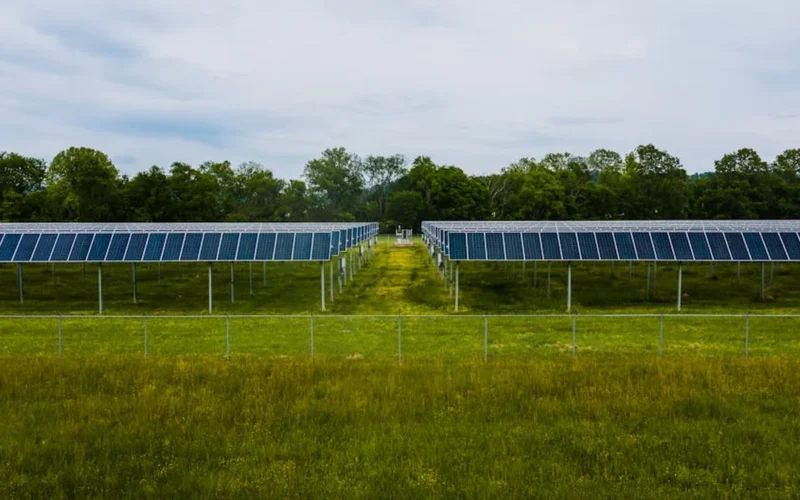
Solar subsidies are offering landowners €2,000 per hectare over 20 years, dwarfing the €700 from grape sales. In Zamora’s Castile and León, where many growers are elderly and disconnected from the land, the numbers are irresistible. “The only opportunity to finish their lives with some income” is renting to solar farms, Rodriguez explains. Over five years, 2,000 hectares of Toro’s 5,500-hectare vineyards have vanished, replaced by black glass. The transformation has left a rural landscape where energy infrastructure dominates, reshaping the region’s identity.
The Cost of Preservation
Numanthia, which manages 150 hectares of organic vines, is fighting back. The bodega became a pioneer in The Old Vine Conference, a global push to value centenarian vines. Yet even these relics face a paradox: their low yields—as low as 7.5hl/ha—make them financially fragile. Still, they’re environmentally resilient, farmed without irrigation or pesticides. “The vines are old because the wines are good,” Rodriguez insists. But as solar farms expand, the question lingers: Will Toro’s patrimony survive the energy shift?
Toro is losing its patrimony What happens when heritage fields are paved for panels? How do we balance energy needs with the irreplaceable legacy of ancient vines?
Questions & Answers
How are solar panels impacting Toro’s vineyards?
Solar panels are replacing centuries-old *Tinto de Toro* vines, with over 2,000 hectares converted in five years. Financial incentives of €2,000 per hectare for solar power outpace grape sales revenue, leading to the transformation of farmland into energy infrastructure.
Why are growers in Toro switching to solar farms?
Growers are drawn by the financial appeal of solar subsidies, offering €2,000 per hectare over 20 years, compared to €700 from grape sales. For elderly farmers in Zamora’s Castile and León, this represents a final opportunity to secure income.
What is Numanthia doing to protect ancient vines?
Numanthia is championing *The Old Vine Conference* to highlight the value of centenarian vines. Despite their low yields of 7.5hl/ha, these vines are environmentally resilient, farmed without irrigation or pesticides, preserving Toro’s heritage.
Can ancient vines survive the rise of solar farms?
The survival of Toro’s ancient vines depends on balancing energy needs with heritage preservation. While solar farms expand, efforts like Numanthia’s advocacy aim to safeguard these vines, though their low yields make them financially vulnerable.
Originally reported by The Drinks Business.