With over 1.6 million matcha sales in the UK alone, coffee shops face a critical choice: speed or precision. For baristas like Anna, who runs multiple specialty cafes in Liverpool, the demand for matcha has outpaced their ability to prepare it manually. “We used to focus on quality above all else,” she says, “but as sales surged, we risked losing customers by slowing down service.” The challenge isn’t just about time—it’s about balancing efficiency with the ritualistic care matcha demands.
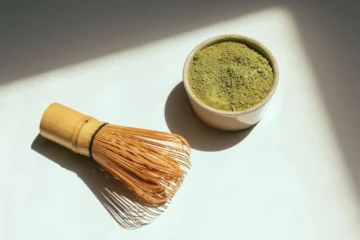
Batching matcha offers a solution, but it’s not without trade-offs. Traditional preparation involves sieving, whisking, and precise temperature control, a process that’s meditative for home brewers but a bottleneck for busy cafes. Batching allows pre-made concentrates to be dispensed in seconds, yet concerns about freshness and quality linger. “Customers naturally worry about oxidation or loss of flavor,” Anna notes. Yet research from University College London shows that wait times over five minutes can drop satisfaction from 95% to 85%. For cafes drowning in orders, speed isn’t just a convenience—it’s a survival tactic.
The methods vary. Cold water concentrate yields a sweeter, less bitter profile but lacks the complexity of hot-brewed matcha. Milk blends are convenient but often result in grainy textures. The most promising approach is hot water flash-chill: heating matcha to 80°C, then cooling rapidly to preserve antioxidants and flavor. “This method delivers a richer, more nuanced result,” explains Keelan Hartnett of Flo-Smart. “It works best with oat milk, which complements the natural sweetness.” However, heat accelerates oxidation, so batches should be consumed within hours.
Best practices include a 2g-to-30ml ratio for a “matcha shot,” minimal equipment like an immersion blender, and airtight storage to prevent light and temperature damage. “Even mid-quality matcha can shine with the right technique,” Keelan says. Yet consistency requires discipline: shaking batches before each pour to avoid clumping and ensuring staff understand the rationale behind batching.
Hot water flash-chill balances speed and flavor, though it’s best consumed within hours.
Key Takeaways 1. Batching matcha improves efficiency but demands rigorous training to maintain quality. 2. Hot water flash-chill balances speed and flavor, though it’s best consumed within hours. 3. Batching suits lattes and high-volume orders but risks diluting the ritual of straight matcha.
How do you balance speed and precision in your matcha service? Share your approach in the comments.
Questions & Answers
Does batch matching coffee beans improve flavor?
Batch matching blends flavors for consistency. It ensures even taste across batches, improving quality and customer satisfaction.
Is batch matching coffee beans necessary?
Batch matching isn’t mandatory but helps maintain flavor consistency. It’s especially useful for small batches or specialty coffee.
Information sourced from industry reports and news outlets.