⏱ 1 min read
The Short Version
Watery espresso? The grind, not the beans, is the culprit—too fine or coarse, and you’re left with sour or flat shots. Adjust your grind to match your machine’s output for the perfect balance.
This might just redefine your routine: Your espresso shots are watery, and it’s not the beans—it’s the grind. If you’re chasing crema and body, grind size is the silent hero of extraction. A too-fine grind clings to the puck, slowing water flow and under-extracting. A too-coarse grind lets water rush through, leaving you with thin, sour shots. The fix? Dial in your grind to match your machine’s output.
Grind size is the silent hero of espresso extraction.
The Science of Saturation
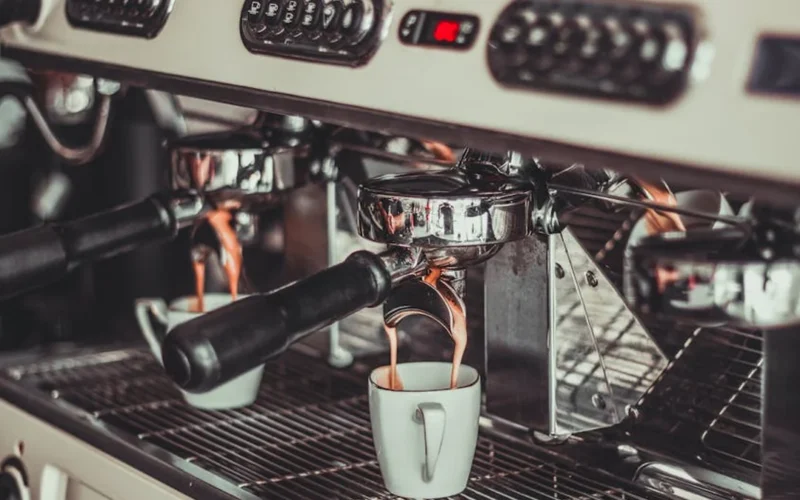
Espresso relies on water passing through coffee at 9 bars of pressure. If your grind is too fine, water struggles to move, creating a crust that traps under-extracted liquid. If it’s too coarse, water escapes too quickly, leaving behind bitterness. The ideal grind balances these forces, allowing water to saturate the coffee evenly. Test it: If your shots taste flat, you’re likely over-extracting. If they’re sour, you’re under-extracting. Adjust the grind until the flavor hits the sweet spot.
Beans Matter, But Grind Matters More
You’re using Blue Bottle Espresso? Great. But even high-quality beans can falter if the grind is off. Dark roasts, like Peet’s Major Dickinson, are designed for longer brew times—not espresso. They lack the acidity and brightness needed for a balanced shot. Opt for a light to medium roast with higher caffeine content, which dissolves more easily. Still, the grind is the variable you can control today. Grind size is the silent hero of espresso extraction. What’s your go-to grind size for espresso? Share your setup below.
Questions & Answers
How does grind size affect espresso extraction?
Grind size directly impacts espresso extraction by controlling water flow through the coffee puck. A too-fine grind slows water movement, leading to under-extraction and sour shots. A too-coarse grind allows water to pass too quickly, resulting in flat, watery espresso. The ideal grind balances these factors for a balanced flavor.
Why is grind size more important than beans for espresso?
Grind size is more critical than beans because it controls the extraction process. Even high-quality beans can fail if the grind is incorrect. Dark roasts, for example, are not suited for espresso due to their longer brew time design. Adjusting the grind allows for better control over flavor and body, making it the key variable to fine-tune.
What grind size should I use for espresso?
For espresso, use a medium-fine grind that allows water to flow evenly through the coffee puck. This balance prevents under-extraction, which leads to sourness, and over-extraction, which causes bitterness. Testing and adjusting based on taste will help you find the perfect grind for your machine and beans.
How can I fix watery espresso shots?
To fix watery espresso shots, adjust your grind size to match your machine’s output. A too-coarse grind lets water rush through, resulting in thin, sour shots. Dial in the grind until water flows evenly, ensuring full saturation and a balanced extraction. Testing different grinds will help you achieve the desired flavor.
Originally reported by Reddit Espresso.