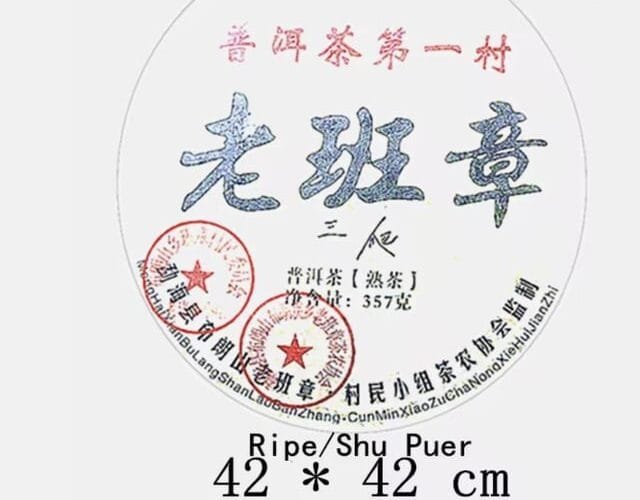
Real talk: If you’re diving into Shu Puer for the first time, the jargon can feel like a maze. That’s why you’re here—trying to unpack what “YHSPLBZ 375g 2008” actually means. Let’s cut through the noise. First, the basics: “Shu” refers to the fermented, compressed form of Puer tea, which ages differently than its unfermented counterpart. The “2008” is the year the tea was processed, not necessarily when it was harvested. This matters because aging can deepen flavor, but not all years are created equal.
Now, the YHSPLBZ code. Break it down: “YHSPLB” likely stands for the manufacturer’s code. YHSPLB could be a specific plantation or factory, though exact origins aren’t always public. “Z” often denotes the tea’s grade or processing method. The “375g” is straightforward—it’s the weight. But here’s the kicker: the code’s secrecy isn’t a red flag. Many producers guard their details, prioritizing tradition over transparency. Focus instead on the tea’s aroma, texture, and how it evolves with water temperature.
What to look for? A 2008 Shu Puer should have a mellow, earthy character with hints of caramel or chocolate. If it’s overly bitter or lacks depth, it might not be aged properly. The cake’s compression also matters—firm, even density suggests quality. Avoid teas that feel dusty or overly compressed. Trust your palate, not just the label.
Key points: The “2008” indicates the processing year, not harvest. YHSPLBZ likely represents the manufacturer and grade. Prioritize aroma, texture, and compression over code speculation.
Share your first sip story—what made it stand out.
Close: Ever tried a Shu Puer that surprised you? Share your first sip story—what made it stand out?
Questions & Answers
What is Shu Puer tea?
Shu Puer is a compressed, fermented tea from Yunnan. It’s aged and processed to speed up oxidation. Popular for its earthy flavor and health benefits.
How to brew Shu Puer?
Use 8-10g per 150ml water. Heat to 95°C, steep 5-10 seconds. Increase time with each infusion. Use a clay pot or gaiwan for best results.
Information sourced from industry reports and news outlets.