⏱ 2 min read
The Short Version
Kenyan coffee quality isn't just about soil; it’s about bridging the gap between academic research and field precision. By mastering canopy management and nutrient timing, farmers are transforming technical science into higher cherry grades and better market margins.
Kenya’s reputation for high-quality specialty coffee relies on more than just ideal altitudes and rich soil; it depends on the technical precision of the producers. While environmental factors are fixed, farmer expertise remains a variable that can be optimized through targeted education. Recent initiatives across the country are moving beyond theory, focusing instead on practical, accessible training designed to connect cultivation directly to market value.
The purpose was to bridge scientific research with farmers’ knowledge on the field, to enable a change towards decisions that will benefit both productivity and coffee quality.
From Nursery Management to Canopy Control
A recent workshop in Illula, Ainabkoi Sub-County, serves as a blueprint for this hands-on approach. Organized by the Uasin Gishu County Department of Agriculture and the University of Eldoret (UOE), the session brought together 61 participants, including members of the Ambassadors Disabled Farmers Group. To ensure inclusivity, the program utilized a sign language interpreter, allowing all producers to engage with the curriculum. Training began at the roots, covering nursery management and precise site selection to ensure strong crop establishment.
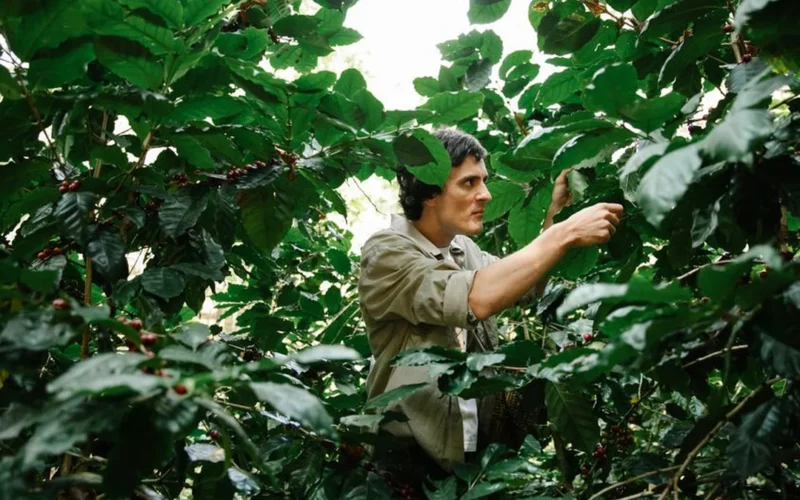
Beyond establishment, the training emphasized the maintenance required to sustain high yields. Participants studied canopy management techniques like trimming to improve airflow and sunlight penetration, alongside balanced fertilizer application to optimize soil fertility. The purpose was to bridge scientific research with farmers’ knowledge on the field, to enable a change towards decisions that will benefit both productivity and coffee quality. Precision in nutrient timing does more than grow better trees—it protects the farmer’s bottom line by lowering input costs while elevating cherry grades.
Navigating the Specialty Market
Protecting the investment requires rigorous pest and disease management. The workshops focused on integrated strategies to identify threats early, preventing the defects that typically lower a coffee’s grade during milling and tasting. However, technical farming is only half the battle; understanding the value chain is what ultimately drives profitability. This synergy was embodied by the workshop’s instructors: Dr. Jonah Ng’eno provided the academic research perspective, while seasoned farmer John Ng’etich offered vital hands-on production insights. Together, they guided producers through the University of Eldoret’s marketing program, detailing how market standards influence prices from the field to the exporter.
As specialty buyers increasingly demand traceability and consistent quality, this marriage of academic research and practical experience becomes essential. OISC Coordinator Dr. Heka Kamau noted that working closely with communities helps turn complex research findings into practical solutions for the sector. By prioritizing continuous learning, Kenyan farmers are building the resilience necessary to navigate an evolving global market.
When evaluating specialty coffee, do you think increased traceability through farmer education justifies a higher price point?
Questions & Answers
How does canopy management improve coffee production?
Canopy management improves coffee production by optimizing the environment for tree growth through techniques like trimming. Proper trimming enhances airflow and allows for better sunlight penetration throughout the coffee trees. These technical practices, combined with balanced fertilizer application, help maintain high yields and sustain soil fertility. By managing the canopy effectively, farmers can ensure their crops receive the necessary resources to thrive, which directly impacts the overall productivity and quality of the coffee cherries harvested.
Why is integrated pest and disease management important for coffee farmers?
Integrated pest and disease management is vital because it allows farmers to identify threats early and prevent defects that lower coffee grades. During the milling and tasting processes, defects caused by pests can significantly reduce the market value of the crop. By implementing strategic management techniques, producers protect their financial investment and ensure higher quality standards. This proactive approach helps maintain the consistency required by specialty buyers who demand high-grade coffee for the global market.
What role does the University of Eldoret play in Kenyan coffee training?
The University of Eldoret provides academic research and marketing expertise to help bridge the gap between science and field knowledge. Through collaborations with local departments of agriculture, the university offers workshops that cover technical topics such as nursery management and site selection. Additionally, its marketing programs teach producers how market standards influence pricing from the field to the exporter. This educational support helps farmers turn complex scientific findings into practical, profitable solutions for their coffee production.
How can farmer education influence the profitability of specialty coffee?
Farmer education influences profitability by improving both crop quality and the efficiency of resource use. Training in precision nutrient timing helps lower input costs while simultaneously elevating cherry grades for the specialty market. Furthermore, understanding the value chain helps farmers navigate how market standards affect prices. By combining technical skills like pest management with marketing knowledge, producers can meet the traceability and quality demands of specialty buyers, ultimately driving higher returns on their investments.
Originally reported by Barista Magazine.