

⏱ 1 min read
The Short Version
At World of Coffee San Diego, manual pourover brewers are redefining coffee rituals with six new designs that prioritize precision, material innovation, and refined control. These brewers transform the act of brewing into a craft shaped by design and material science.
In This Article
Time to spill: The Specialty Coffee Association’s World of Coffee San Diego event didn’t just showcase beans—it redefined how we pour. Manual pourover brewers, once a niche tool, are now a battleground for innovation, with six new designs challenging the status quo. From borosilicate glass to precision-engineered stainless steel, these brewers aren’t just about brewing coffee—they’re about rethinking the ritual itself.
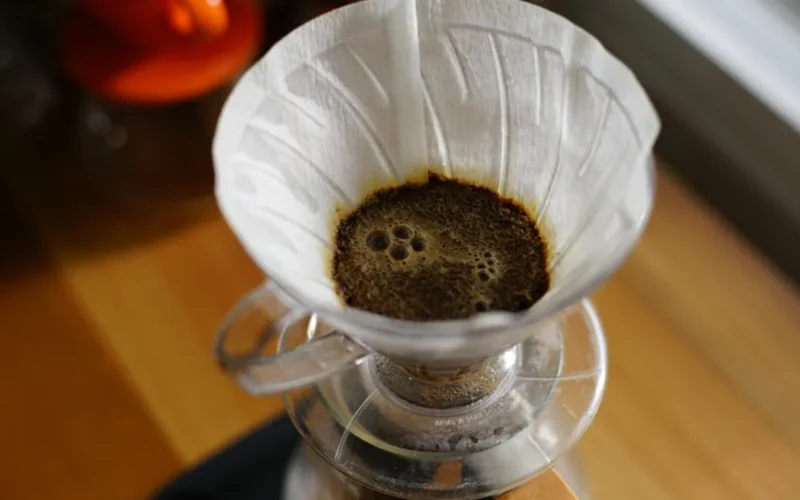
The Neo’s 72 thin ribs wind along the interior of the cone before converging into nine at the base for a speedy brew that avoids both under- and over-extraction.
Designing the Pour
The Espro Pourover returns to the scene with a conical shape inspired by the Chemex, but with interior ridges for faster flow and a metal collar for durability. Meanwhile, Timemore’s Vector—a collaboration with 2021 Brewers Cup champ Matt Winton—uses stainless steel injection molding to create capillary action, aiming for higher extractions with fewer pours. These innovations focus on refining control and efficiency rather than making broad claims about redefining physics.
Materials That Matter
Sibarist’s glass system prioritizes laminar flow by suspending filters with two rings, while NextLevel’s Pulsar Mini zeros in on bed depth for smaller cups. The Hario Neo, born from the same “New V6,0” initiative as the Suiren and Mugen, uses 72 thin ribs to balance airflow and extraction. Each brewer is a statement: coffee isn’t just a drink—it’s a craft, shaped by material choices and design precision. The Neo’s 72 thin ribs wind along the interior of the cone before converging into nine at the base for a speedy brew that avoids both under- and over-extraction. The new designs also reflect a growing emphasis on sustainability and accessibility, with materials and manufacturing processes that make manual pour-over brewing more viable for home users. What’s your go-to pourover setup?
Questions & Answers
How do the new manual pourover brewers improve the brewing process?
The new manual pourover brewers enhance brewing through design innovations like Espro’s interior ridges for faster flow and Timemore’s capillary action with stainless steel. These features refine control and efficiency, focusing on precise extraction rather than broad claims about physics.
What materials are used in the latest pourover brewers?
The latest pourover brewers use materials like borosilicate glass, stainless steel, and precision-engineered components. Sibarist’s glass system and NextLevel’s Pulsar Mini emphasize material choices that influence flow and bed depth, reflecting a focus on sustainability and accessibility.
Why are manual pourover brewers gaining popularity?
Manual pourover brewers are gaining popularity due to their emphasis on craftsmanship, control, and precision. Innovations like the Hario Neo’s 72 thin ribs and Timemore’s capillary action designs highlight how these tools allow for tailored brewing experiences that cater to both professionals and home users.
How does the Hario Neo differ from other pourover brewers?
The Hario Neo stands out with its 72 thin ribs that balance airflow and extraction, leading to a faster brew that avoids under- and over-extraction. This design, part of the “New V6,0” initiative, reflects a focus on precision and efficiency in manual pour-over brewing.
Originally reported by Daily Coffee News.

[…] Redwood redefines bulk coffee grinding with a design that prioritizes industrial efficiency. At the World of Coffee San Diego trade show, it stood out as a breakthrough in processing, engineered for factories where speed and […]