⏱ 1 min read
The Short Version
Fresh moacha flipping on the gaiwan lid signals a rare brewing moment, hinting at the tea’s vitality and the brewer’s precision. Its fleeting freshness sparks debate on whether to drink it swiftly or let it rest, revealing depth or dimming its essence.
In This Article
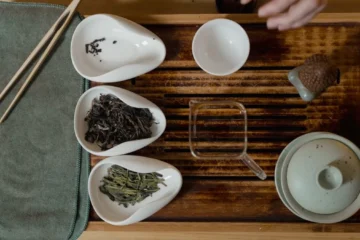
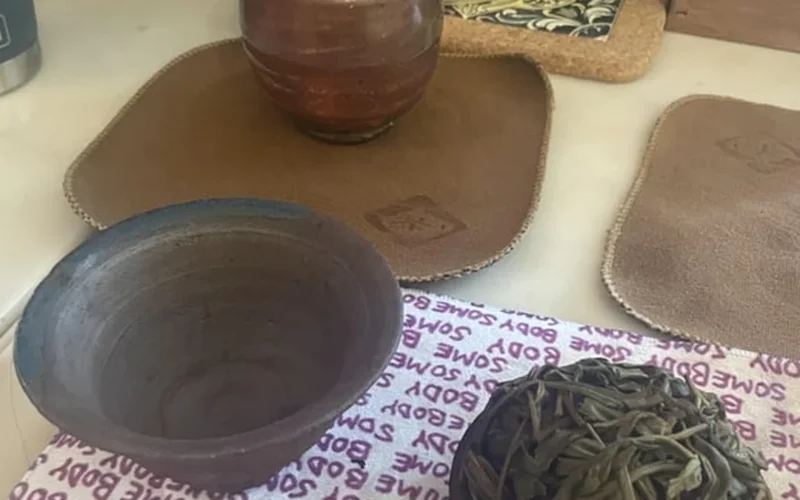
When fresh moacha flips upside down on the gaiwan lid, it signals a shift in the brewing process—a moment that defies the usual flow of gong fu cha. This rare occurrence hints at the tea’s vitality and the brewer’s skill in coaxing out its essence. Yiwu Guafengzai’s fresh moacha, with its vegetal sweetness and caramel undertones, has become a case study in timing. The flip is not just a visual cue but a reminder of the tea’s fleeting nature and the brewer’s need to act with precision.
The real test isn’t how long you wait, but whether the tea still feels like itself after waiting.
The Paradox of Freshness
Fresh moacha is a fleeting thing. Unlike aged cakes, it lacks the structural complexity to age gracefully. Yet, its bright, almost green tea-like profile hints at potential. A week’s rest in an airtight container seems to stabilize its flavors, avoiding the sharpness that comes from rushing. But is this restorative or sacrificial? The question lingers: does the tea’s essence dim, or does it deepen? The answer lies in the drinker’s tolerance for risk.
Blending as a Test of Judgment
Blending moacha is a gamble. The tea’s simplicity—its vegetal sweetness, its caramel edges—demands a partner that complements without overpowering. Some argue that fresh moacha should be consumed swiftly, like green tea, to preserve its vibrancy. Others insist that a week’s rest allows its flavors to settle, revealing layers that might otherwise go unnoticed. The debate isn’t about right or wrong; it’s about what feels true in the moment.
The real test isn’t how long you wait, but whether the tea still feels like itself after waiting.
So here’s the question: if you let fresh moacha rest, does it become something new—or just a version of itself? What’s your take?
Questions & Answers
What does it mean when fresh moacha flips on the gaiwan lid?
When fresh moacha flips on the gaiwan lid, it signals a shift in the brewing process, indicating the tea’s vitality and the brewer’s skill. This rare occurrence highlights the tea’s fleeting nature and the need for precision in timing.
Why is fresh moacha considered a fleeting thing?
Fresh moacha is considered fleeting because it lacks the structural complexity of aged cakes and can lose its bright, green tea-like profile if rushed. A week’s rest in an airtight container may stabilize its flavors, but this raises questions about whether it deepens or dims.
How does blending fresh moacha test a brewer’s judgment?
Blending fresh moacha tests judgment by requiring a partner that complements its vegetal sweetness and caramel edges without overpowering. Some prefer to drink it swiftly, while others let it rest, revealing layers that might otherwise go unnoticed.
What is the real test of waiting for fresh moacha?
The real test of waiting for fresh moacha is whether it still feels like itself after resting. The tea may become something new or simply a version of itself, depending on the drinker’s tolerance for risk and personal preference.
Originally reported by Reddit Puer Tea.