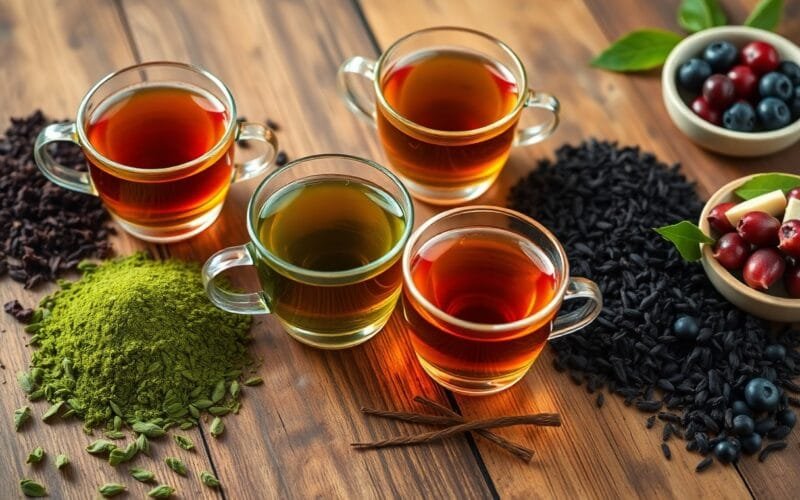
You might be surprised to learn that certain teas are packed with antioxidants, providing numerous health benefits. In this post, you will discover the top-ranked teas rich in antioxidants, along with tips on how to incorporate them into your daily routine. For a deeper examine the best options available, check out this article on Which Teas Have The Most Antioxidants?
Understanding Antioxidants
Antioxidants play a vital role in protecting your body from oxidative stress by neutralizing harmful free radicals. These compounds can prevent cell damage and support overall health. For a deeper explore the benefits of various teas, explore Your favorite teas and their benefits : r/nutrition.
What are Antioxidants?
Antioxidants are molecules that inhibit the oxidation of other molecules, effectively preventing cellular damage. They are found in various foods, particularly fruits and vegetables, and are integral in your body’s defense system. Common antioxidants include vitamins C and E, polyphenols, and flavonoids.
Health Benefits of Antioxidants
Your intake of antioxidants can significantly impact your health by reducing inflammation and lowering the risk of chronic diseases. Research suggests that a diet rich in antioxidants may protect against heart disease, diabetes, and even certain cancers by combating oxidative stress and inflammation in the body.
Studies indicate that antioxidants may enhance brain function and reduce the effects of aging. For instance, flavonoids found in teas like green and black tea have been linked to improved cognitive function and memory. By including high-antioxidant teas in your daily routine, you can foster better health and potentially extend your lifespan by mitigating oxidative damage throughout your body.
Top Teas Rich in Antioxidants
You’ll find a variety of teas that boast high antioxidant content, each offering unique health benefits. Green, black, and white teas lead the pack along with herbal alternatives. These teas not only provide a flavorful experience but also help combat oxidative stress, promoting overall wellness.
Green Tea
Green tea is celebrated for its high concentration of catechins, particularly EGCG, which deliver powerful antioxidant properties. Regular consumption can contribute to weight management and cardiovascular health, making it a staple in many wellness routines.
Black Tea
Black tea is recognized for its robust flavor and rich antioxidant profile, primarily consisting of theaflavins and thearubigins. These compounds have been linked to improved heart health and better metabolism, making black tea an excellent choice for daily consumption.
Studies show that black tea can lower cholesterol levels and support gut health due to its polyphenol content. With the ability to reduce inflammation, it serves as a healthy beverage option that you can enjoy throughout the day, whether hot or iced.
White Tea
White tea, often considered the least processed tea, retains a higher level of antioxidants compared to its counterparts. This gentle brew is noted for its delicate flavor while providing potent health benefits, including skin protection and anti-aging properties.
The high concentration of catechins and flavonoids in white tea can effectively combat free radicals, contributing to improved skin elasticity and overall health. Enjoying a cup of white tea can be a luxurious way to nourish your body while savoring its subtle taste.
Herbal Teas
Herbal teas, although not derived from the Camellia sinensis plant, can be rich in antioxidants thanks to various herbal ingredients. Ingredients like hibiscus, rooibos, and echinacea are packed with flavonoids and polyphenols, offering diverse health benefits.
Hibiscus tea, for instance, is known for its high anthocyanin content, which may support heart health and lower blood pressure. Herbal teas provide a caffeine-free option while delivering an array of antioxidants that can enhance your overall wellness and complement your lifestyle.
Factors Affecting Antioxidant Levels in Tea
Several variables can significantly influence the antioxidant content in your tea. Factors such as the type of tea leaves, growing conditions, and processing methods all play vital roles in determining the final antioxidant levels. For the best results, consider the following:
- Tea leaf variety
- Geographic origin
- Soil quality
- Weather conditions
- Processing techniques
Knowing these factors allows you to choose teas that maximize your antioxidant intake.
Types of Tea Leaves
The variety of tea leaves is one of the primary contributors to antioxidant levels. Different leaves undergo varying post-harvest processes, impacting their final health benefits. Here are some common types:
- Green tea leaves
- Black tea leaves
- White tea leaves
- Oolong tea leaves
- Herbal tea ingredients
Recognizing the type of tea leaves you prefer can guide your choices for optimal health benefits.
| Green Tea | High in catechins, strong antioxidants |
| Black Tea | Rich in theaflavins, support heart health |
| White Tea | Delicate flavor, loaded with polyphenols |
| Oolong Tea | Moderate antioxidant levels, unique flavor profile |
| Herbal Teas | Varying levels depending on ingredients |
Brewing Time and Temperature
To unlock the maximum antioxidants, the brewing time and water temperature are key. Optimal brewing conditions allow for more efficient extraction of beneficial compounds. Pay attention to these specifics for different teas:
| Green Tea | Steep for 2-3 minutes at 160-180°F |
| Black Tea | Steep for 3-5 minutes at 200-212°F |
| White Tea | Steep for 4-5 minutes at 160-185°F |
| Oolong Tea | Steep for 3-5 minutes at 190-200°F |
| Herbal Tea | Steep for 5-7 minutes at 200-212°F |
Achieving the right balance in brewing time and temperature can significantly enhance the flavor and health benefits of your tea. Generally, lower temperatures and shorter times are recommended for delicate teas like green and white, while black and herbal teas benefit from longer steeping times. Adjusting these factors not only maximizes antioxidant levels but also helps you enjoy a better-tasting cup.
| Oversteeping | Can result in bitterness, reducing enjoyment |
| Water quality | Soft water enhances flavor, hard water may interfere |
| Use of loose leaf vs. bags | Loose leaf typically offers stronger flavors and antioxidants |
| Cooling time | Be mindful; cooling affects flavor extraction |
| Multiple infusions | Some teas allow for multiple brews, increasing benefits |
Tips for Maximizing Antioxidant Intake from Tea
Enhancing your antioxidant intake from tea involves several straightforward strategies. Follow these tips to make the most of your brews:
- Select high-quality loose-leaf teas over bags.
- Brew at optimal temperatures and times.
- Experiment with multiple steepings for added benefits.
- Combine different tea types for a richer profile.
- Incorporate citrus or a splash of honey for additional compounds.
Perceiving the flavors and health benefits of tea can elevate your overall wellness journey.
Choosing High-Quality Teas
Prioritize loose-leaf teas sourced from reputable brands, as these usually contain higher concentrations of antioxidants compared to bagged varieties. Premium teas undergo less processing, maintaining their imperative compounds, such as catechins and flavonoids. Research specific regions known for exceptional tea quality, like Darjeeling for black tea or Uji for matcha, ensuring you invest in the finest selections available.
Proper Brewing Techniques
Brewing tea properly is imperative for maximizing antioxidant release. Temperature and steeping duration play significant roles; different types of tea require specific conditions. Generally, green teas should be steeped at around 175°F for 2-3 minutes, while black teas can be brewed at boiling point (212°F) for 3-5 minutes. If you’re re-steeping loose leaves, consider using slightly hotter water for each subsequent infusion to extract more antioxidants effectively.
Utilizing proper brewing techniques not only enhances flavor but also optimizes health benefits. For instance, with green tea, the aim is to avoid scorching the leaves, which can lead to bitterness and reduced bioavailability of beneficial compounds. Use a thermometer to achieve precise temperatures, and invest in an infuser that provides ample space for the leaves to expand. As a result, you can enjoy numerous health benefits while savoring each cup.
Comparing Antioxidant Levels
| Tea Type | Antioxidant Level (ORAC Value) |
|---|---|
| Green Tea | 1,250 |
| Black Tea | 800 |
| White Tea | 1,100 |
| Oolong Tea | 1,000 |
| Herbal Tea | Various |
Antioxidant Activity in Different Teas
The antioxidant activity varies across different tea types, primarily due to their processing methods. Green tea is renowned for its high levels of catechins, while black tea contains theaflavins and thearubigins, offering unique health benefits. White tea, being the least processed, retains a rich profile of antioxidants, while oolong provides a middle ground. Herbal teas can vary significantly, depending on the ingredients used, which can also yield substantial antioxidant properties.
Recommended Daily Intake
Your daily intake of tea for optimal antioxidant benefits can range from 2 to 3 cups, depending on the type. A well-rounded approach includes a variety of teas to maximize antioxidant consumption while maintaining hydration and overall health. This variety not only keeps your palate excited but also ensures diverse health benefits.
Aiming for 2 to 3 cups of various teas daily-like green, black, or white-offers a balanced approach to boosting your antioxidant levels. Each type contributes differently to your diet; for instance, 2 cups of green tea could provide around 250-500 mg of catechins, while black tea may offer beneficial theaflavins. Tailoring your intake based on taste and personal health goals will help you maintain a consistent and enjoyable habit that supports your antioxidant needs effectively.
Summing up
Following this guide, you can make informed choices about your tea selection based on antioxidant content. The rankings of teas reveal significant differences, providing you with options that not only taste great but also contribute to your health. Incorporating these high-antioxidant teas into your daily routine can enhance your wellness efforts. By using the tips provided, you can maximize the benefits of your tea, ensuring you enjoy both flavor and health perks. Prioritize your tea choices, and let the power of antioxidants support your lifestyle.
FAQ
Q: Which teas are highest in antioxidants?
A: The teas with the highest antioxidant levels include matcha green tea, white tea, and certain types of oolong tea. Matcha, in particular, is known for its high concentration of catechins, a type of antioxidant. White tea has a delicate flavor and is rich in polyphenols. Oolong tea offers a balance of flavors and is also packed with beneficial antioxidants.
Q: How can I enhance the antioxidant benefits of my tea?
A: To maximize the antioxidant potential of your tea, steep it at the appropriate temperature and for the correct duration. Use fresh, high-quality tea leaves, as they contain more antioxidants than lower-grade options. Additionally, avoiding the addition of milk or cream can help retain the tea’s antioxidant content, as dairy may inhibit absorption.
Q: Are herbal teas included in the rankings of antioxidant-rich teas?
A: Yes, certain herbal teas also rank high in antioxidants. Hibiscus tea, rooibos tea, and peppermint tea are notable examples. Hibiscus is particularly rich in anthocyanins, while rooibos provides a unique profile of antioxidants. These herbal options can be great alternatives for those who prefer non-caffeinated beverages.